
Del i serien Ecocritical Theory and Practice
Transversal Ecocritical Praxis
Theoretical Arguments, Literary Analysis, and Cultural Critique
Häftad, Engelska, 2015
1 049 kr
Beställningsvara. Skickas inom 10-15 vardagar. Fri frakt för medlemmar vid köp för minst 249 kr.
In Transversal Ecocritical Praxis: Theoretical Arguments, Literary Analysis, and Cultural Critique, Patrick D. Murphy, Ph.D, utilizes ecocriticism and ecofeminism to develop his concept of transversal practice: an interdisciplinary combination of theory and applied criticism. He begins by explaining the necessity for cutting across disciplinary boundaries of all kinds in order to address the ecological dimensions of culture and literature. The dialogical foundation of this orientation is elaborated through a consideration of the theories of Mikhail Bkahtin, particularly in terms of the ethical responsibilities of the reader and critic. Murphy then takes up issues of identity and subject formation in relation to genetics, embodiment, and selfhood. These same issues play out in the history of the aesthetic category of the sublime, which the author critiques from an ecofeminist perspective. Following that, he turns attention to cultural issues of consumption, both at home and internationally, looking particularly at postcolonial literature and forms of resistance to globalizations and agricultural land grabs. Resistance and postcolonial literature is further analyzed through consideration of two book-length Latin American poetic sequences, one by Pablo Neruda and the other by Ernesto Cardenal. Switching from works focused on the present, Murphy turns his attention then to how these themes play out in the future oriented worlds of science fiction. He concludes with two chapters that combine ecocriticial cultural critique and economic analysis in studies of the destructive role of megadams, particularly in Asia, and the impact of the combined threats of peak oil and climate change on one island's tourist economy. The conclusion contains a discussion of further drivers of future ecocritical analysis. Traversing a wide range of examples, literary, cultural and economic, this work fleshes out the benefits of an ethically grounded interdisciplinary ecocriticism.
Produktinformation
- Utgivningsdatum2015-09-11
- Mått152 x 229 x 16 mm
- Vikt296 g
- FormatHäftad
- SpråkEngelska
- SerieEcocritical Theory and Practice
- Antal sidor192
- FörlagBloomsbury Publishing Plc
- ISBN9781498521260
Tillhör följande kategorier
Hoppa över listan
Mer från samma författare
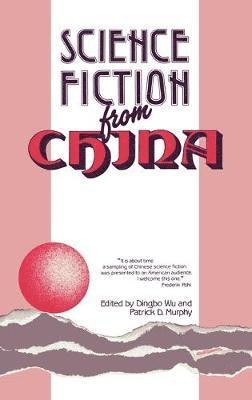
Science Fiction from China
Patrick Dennis Murphy, Dingbo Wu, Dingbo Wu, Patrick D. Murphy
Inbunden, 1989
569 kr
Poetic Fantastic
Vernon Hyles, Patrick Dennis Murphy, Patrick D. Murphy, Vernon Hyles
Inbunden, 1989
1 569 kr
Hoppa över listan

Mer från samma serie
Contemporary Ecocritical Methods
Camilla Brudin Borg, Rikard Wingård, Jørgen Bruhn
Inbunden, 2024
1 729 kr
Hoppa över listan
Du kanske också är intresserad av
Science Fiction from China
Patrick Dennis Murphy, Dingbo Wu, Dingbo Wu, Patrick D. Murphy
Inbunden, 1989
569 kr
Poetic Fantastic
Vernon Hyles, Patrick Dennis Murphy, Patrick D. Murphy, Vernon Hyles
Inbunden, 1989
1 569 kr