
Del i serien Ecocritical Theory and Practice
Forest in Medieval German Literature
Ecocritical Readings from a Historical Perspective
Inbunden, Engelska, 2015
2 319 kr
Beställningsvara. Skickas inom 10-15 vardagar. Fri frakt för medlemmar vid köp för minst 249 kr.
Finns i fler format (1)
By pursuing an ecocritical reading, The Forest in Medieval German Literature examines passages in medieval German texts where protagonists operated in the forest and found themselves either in conflictual situations or in refuge. By probing the way the individual authors dealt with the forest, illustrating how their characters fared in this sylvan space, the role of the forest proved to be of supreme importance in understanding the fundamental relationship between humans and nature. The medieval forest almost always introduced an epistemological challenge: how to cope in life, or how to find one’s way in this natural maze. By approaching these narratives through modern ecocritical issues that are paired with premodern perspectives, we gain a solid and far-reaching understanding of how medieval concepts can aid in a better understanding of human society and nature in its historical context. This book revisits some of the best and lesser known examples of medieval German literature, and the critical approach used here will allow us to recognize the importance of medieval literature for a profound reassessment of our modern existence with respect to our own forests.
Produktinformation
- Utgivningsdatum2015-06-03
- Mått159 x 236 x 23 mm
- Vikt499 g
- FormatInbunden
- SpråkEngelska
- SerieEcocritical Theory and Practice
- Antal sidor254
- FörlagBloomsbury Publishing Plc
- ISBN9780739195185
Tillhör följande kategorier
Hoppa över listan


Mer från samma författare
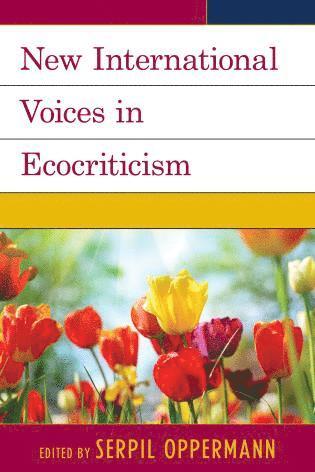
Early History of the Southwest through the Eyes of German-Speaking Jesuit Missionaries
Albrecht Classen
Inbunden, 2012
1 749 kr
Hoppa över listan
Mer från samma serie
Contemporary Ecocritical Methods
Camilla Brudin Borg, Rikard Wingård, Jørgen Bruhn
Inbunden, 2024
1 749 kr
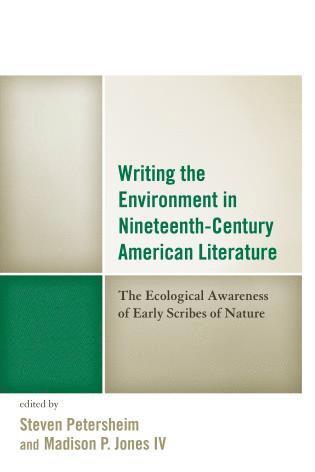
Writing the Environment in Nineteenth-Century American Literature
Steven Petersheim, Madison Jones IV
Inbunden, 2015
1 899 kr
Hoppa över listan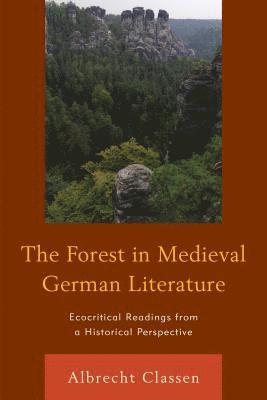






Du kanske också är intresserad av
- Nyhet
Del 4
Del 3
- Nyhet
Del 6
Del 2
Del 1
Del 7
- Nyhet
- Nyhet
Del 11