
Ecocritical Explorations in Literary and Cultural Studies
Fences, Boundaries, and Fields
Häftad, Engelska, 2010
1 049 kr
Beställningsvara. Skickas inom 10-15 vardagar. Fri frakt för medlemmar vid köp för minst 249 kr.
Finns i fler format (1)
In Ecocritical Explorations, Patrick D. Murphy explores environmental literature and environmental cultural issues through both theoretical and applied criticism. He engages with the concepts of referentiality, simplicity, the nation state, and virtual reality in the first section of the book, and then goes on to interrogate these issues in contemporary environmental literature, both American and international. He concludes his argument with a discussion of the larger frames of family dynamics and un-natural disasters, such as hurricanes and global warming, ending with a chapter on the integration of scholarship and pedagogy in the classroom, with reference to his own teaching experiences.Murphy's study provides a wide ranging discussion of contemporary literature and cultural phenomena through the lens of ecological literary criticism, giving attention to both theoretical issues and applied critiques. In particular, he looks at popular literary genres, such as mystery and science fiction, as well as actual disasters and disaster scenarios. Ecocritical Explorations in Literary and Cultural Studies is a timely contribution to ecological literary criticism and an insightful look into how we represent our relationship with the environment.
Produktinformation
- Utgivningsdatum2010-10-26
- Mått154 x 232 x 14 mm
- Vikt358 g
- FormatHäftad
- SpråkEngelska
- Antal sidor230
- FörlagBloomsbury Publishing Plc
- ISBN9780739131749
Tillhör följande kategorier
Hoppa över listan
Mer från samma författare
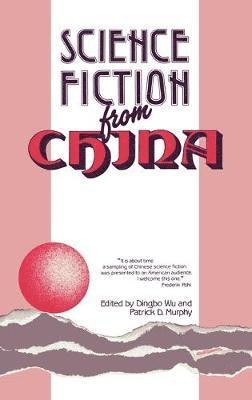
Science Fiction from China
Patrick Dennis Murphy, Dingbo Wu, Dingbo Wu, Patrick D. Murphy
Inbunden, 1989
569 kr
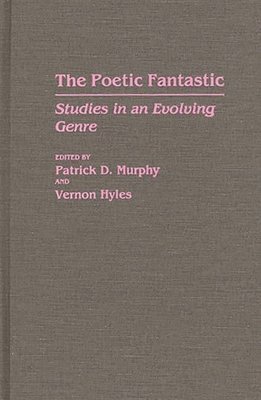
Poetic Fantastic
Vernon Hyles, Patrick Dennis Murphy, Patrick D. Murphy, Vernon Hyles
Inbunden, 1989
1 569 kr
Hoppa över listan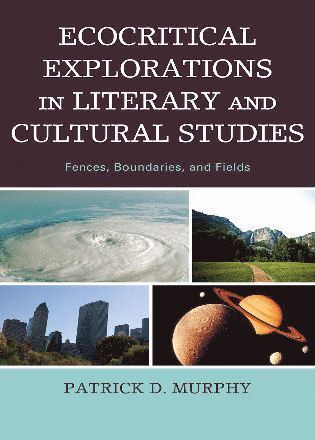
Du kanske också är intresserad av
Science Fiction from China
Patrick Dennis Murphy, Dingbo Wu, Dingbo Wu, Patrick D. Murphy
Inbunden, 1989
569 kr
Poetic Fantastic
Vernon Hyles, Patrick Dennis Murphy, Patrick D. Murphy, Vernon Hyles
Inbunden, 1989
1 569 kr