
Del i serien Ecocritical Theory and Practice
Urban Ecologies
City Space, Material Agency, and Environmental Politics in Contemporary Culture
Inbunden, Engelska, 2014
1 999 kr
Beställningsvara. Skickas inom 10-15 vardagar. Fri frakt för medlemmar vid köp för minst 249 kr.
Finns i fler format (1)
The term “urban ecology” has become a buzzword in various disciplines, including the social and natural sciences as well as urban planning and architecture. The environmental humanities have been slow to adapt to current theoretical debates, often excluding human-built environments from their respective frameworks. This book closes this gap both in theory and in practice, bringing together “urban ecology” with ecocritical and cultural ecological approaches by conceptualizing the city as an integral part of the environment and as a space in which ecological problems manifest concretely. Arguing that culture has to be seen as an active component and integral factor within urban ecologies, it makes use of a metaphorical use of the term, perceiving cities as spatial phenomena that do not only have manifold and complex material interrelations with their respective (natural) environments, but that are intrinsically connected to the ideas, imaginations, and interpretations that make up the cultural symbolic and discursive side of our urban lives and that are stored and constantly renegotiated in their cultural and artistic representations. The city is, within this framework, both seen as an ecosystemically organized space as well as a cultural artifact. Thus, the urban ecology outlined in this study takes its main impetus from an analysis of examples taken from contemporary culture that deal with urban life and the complex interrelations between urban communities and their (natural and built) environments.
Produktinformation
- Utgivningsdatum2014-12-11
- Mått163 x 235 x 26 mm
- Vikt540 g
- FormatInbunden
- SpråkEngelska
- SerieEcocritical Theory and Practice
- Antal sidor268
- FörlagBloomsbury Publishing Plc
- ISBN9780739195758
Tillhör följande kategorier
Hoppa över listan


Mer från samma författare
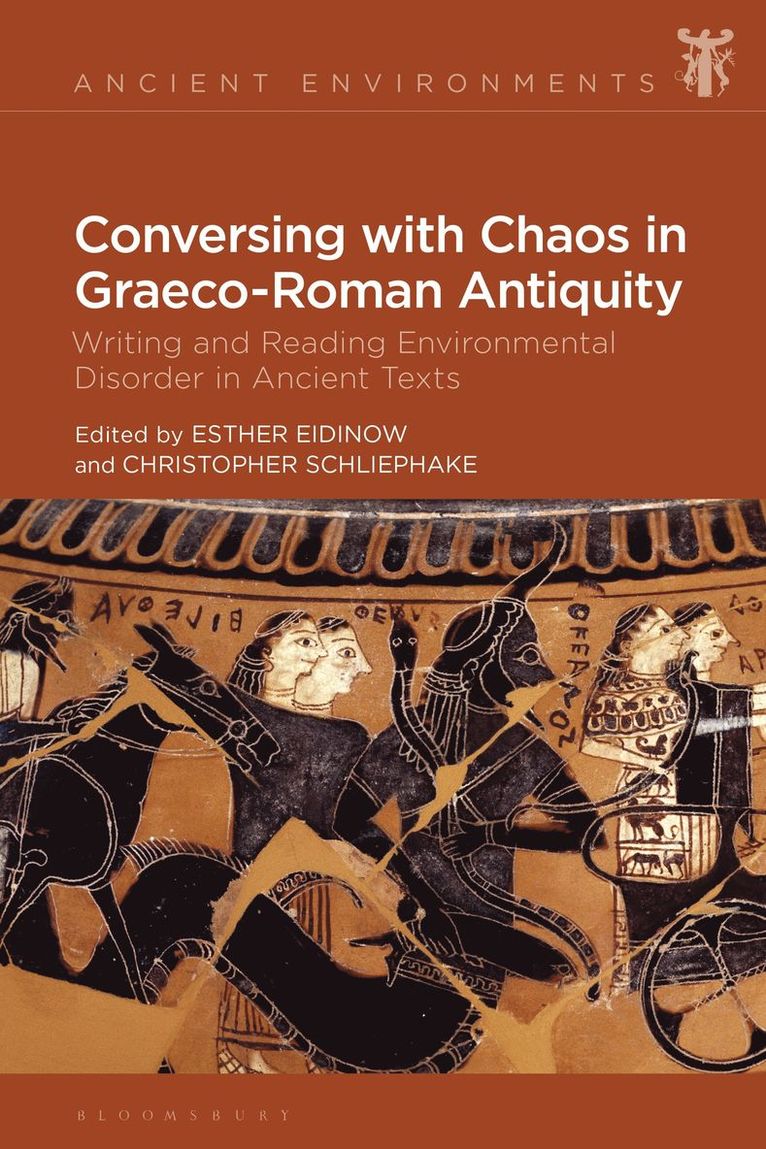
Conversing with Chaos in Graeco-Roman Antiquity
Esther Eidinow, Christopher Schliephake
Inbunden, 2024
1 639 kr
Conversing with Chaos in Graeco-Roman Antiquity
Esther Eidinow, Christopher Schliephake
Häftad, 2026
529 kr
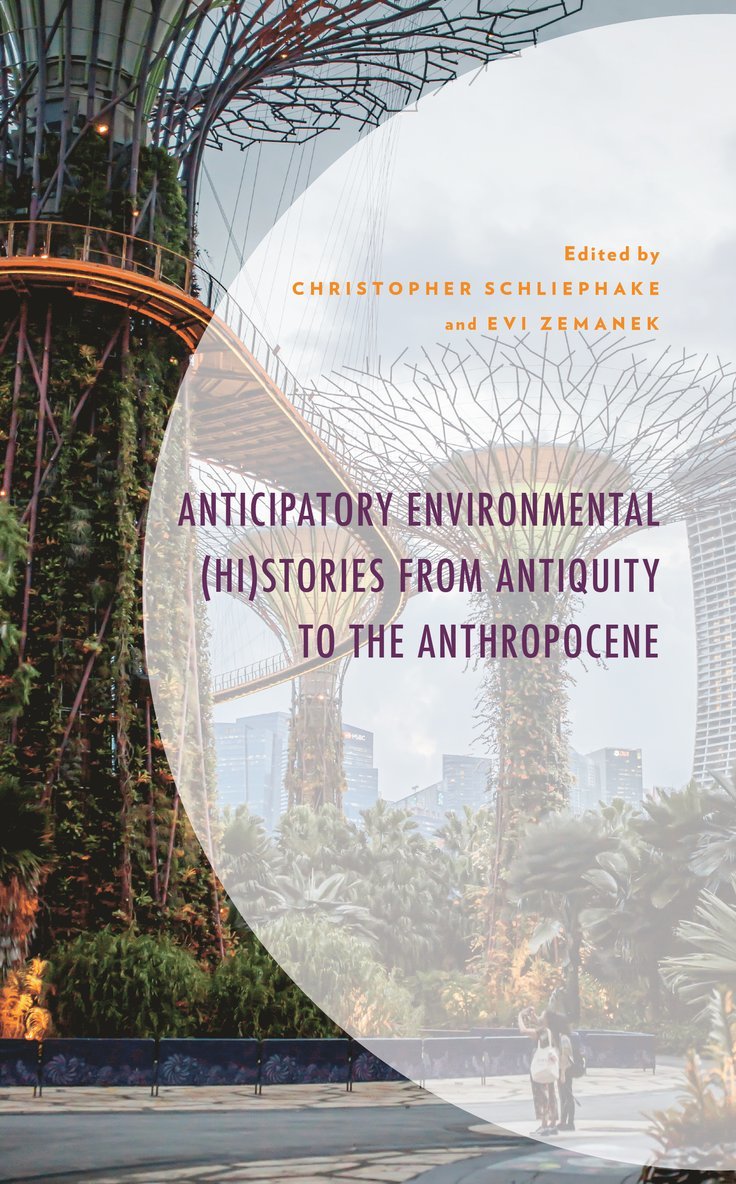
Anticipatory Environmental (Hi)Stories from Antiquity to the Anthropocene
Christopher Schliephake, Evi Zemanek
Inbunden, 2023
1 989 kr
Del 81
Deutungskämpfe Um Die Antike Divination Im Spiegel Spätrepublikanischer Und Kaiserzeitlicher Texte
Christopher Schliephake, Gregor Weber
Häftad, 2024
1 729 kr
Del 118
Die Ethik Des Traums in Den Werken Plutarchs Von Chaironeia
Christopher Schliephake
Inbunden, 2026
2 509 kr
'Ressourcen der Resilienz' in der Antike
Andreas Hartmann, Anna-Katharina Rieger, Christopher Schliephake
Inbunden, 2025
1 119 kr
Hoppa över listan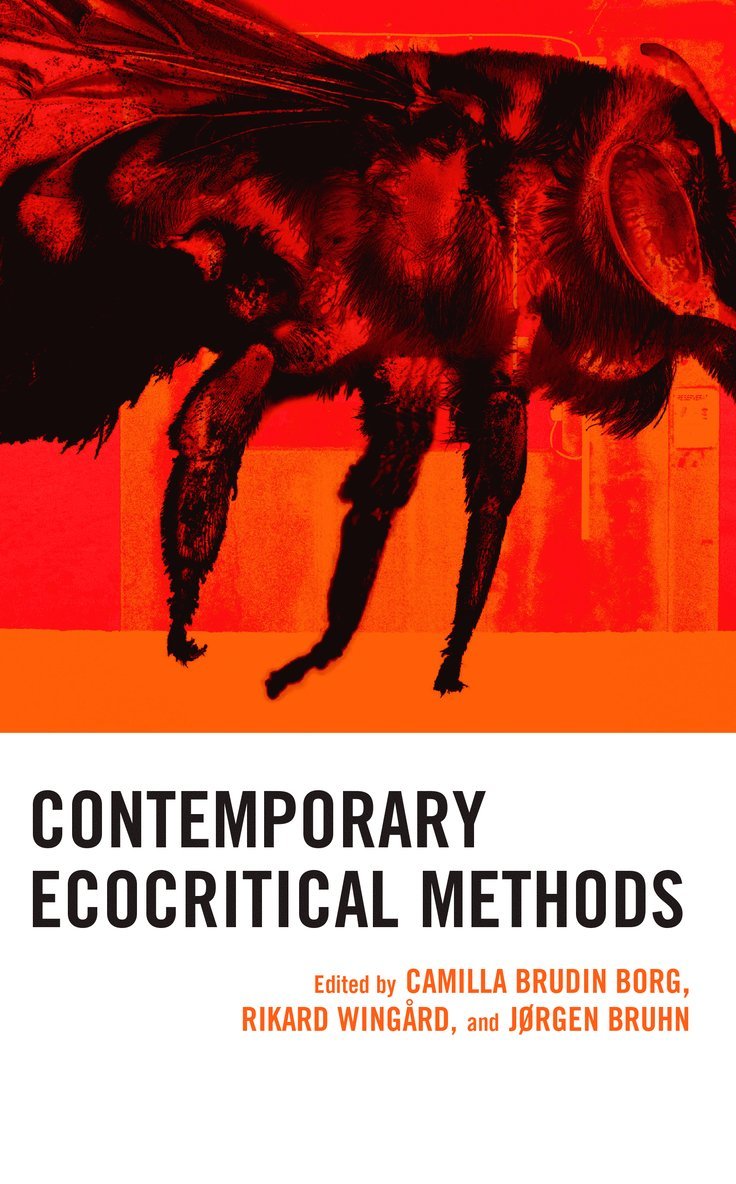

Mer från samma serie
Contemporary Ecocritical Methods
Camilla Brudin Borg, Rikard Wingård, Jørgen Bruhn
Inbunden, 2024
1 729 kr
Writing the Environment in Nineteenth-Century American Literature
Steven Petersheim, Madison Jones IV
Inbunden, 2015
1 879 kr
Hoppa över listan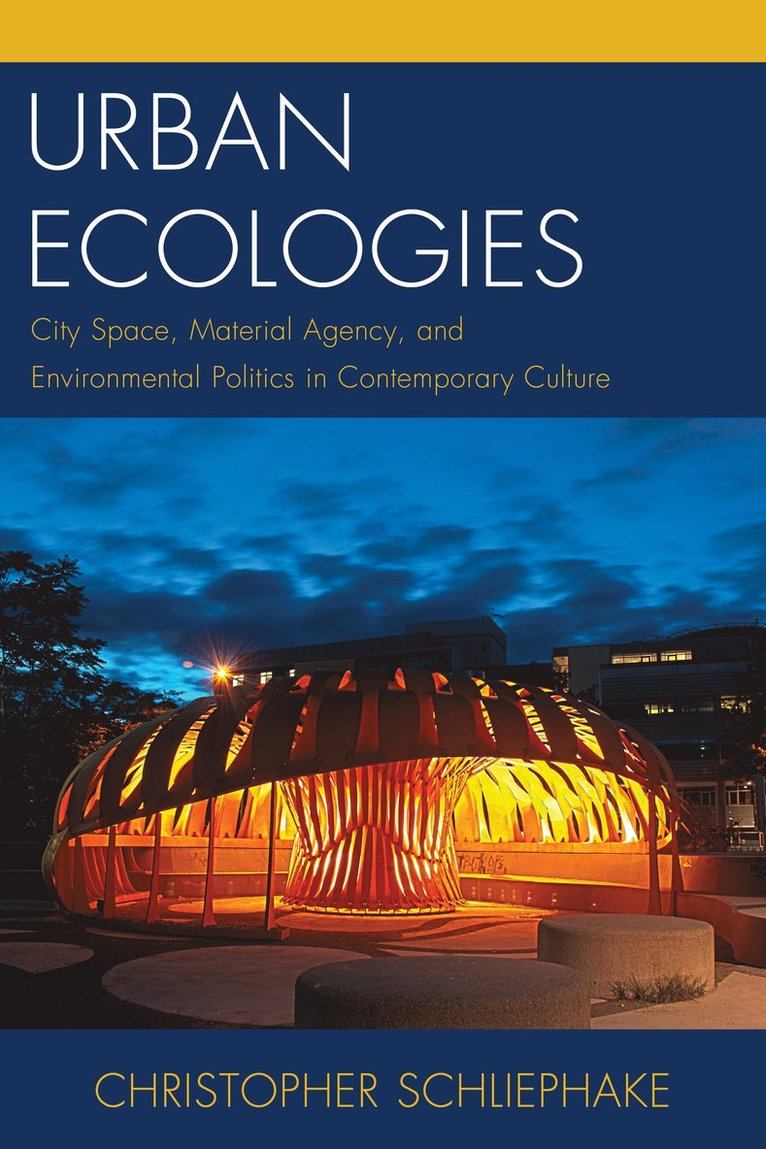
Du kanske också är intresserad av
Conversing with Chaos in Graeco-Roman Antiquity
Esther Eidinow, Christopher Schliephake
Inbunden, 2024
1 639 kr
Del 118
Die Ethik Des Traums in Den Werken Plutarchs Von Chaironeia
Christopher Schliephake
Inbunden, 2026
2 509 kr
'Ressourcen der Resilienz' in der Antike
Andreas Hartmann, Anna-Katharina Rieger, Christopher Schliephake
Inbunden, 2025
1 119 kr
Del 81
Deutungskämpfe Um Die Antike Divination Im Spiegel Spätrepublikanischer Und Kaiserzeitlicher Texte
Christopher Schliephake, Gregor Weber
Häftad, 2024
1 729 kr
Conversing with Chaos in Graeco-Roman Antiquity
Esther Eidinow, Christopher Schliephake
Häftad, 2026
529 kr
Anticipatory Environmental (Hi)Stories from Antiquity to the Anthropocene
Christopher Schliephake, Evi Zemanek
Inbunden, 2023
1 989 kr