
Del 8
Del i serien Ecocritical Theory and Practice
T.S. Eliot, Poetry, and Earth
The Name of the Lotos Rose
Inbunden, Engelska, 2016
2 109 kr
Beställningsvara. Skickas inom 10-15 vardagar. Fri frakt för medlemmar vid köp för minst 249 kr.
Finns i fler format (1)
T. S. Eliot enjoyed a profound relationship with Earth. Criticism of his work does not suggest that this exists in his poetic oeuvre. Writing into this gap, Etienne Terblanche demonstrates that Eliot presents Earth as a process in which humans immerse themselves. The Waste Land and Four Quartets in particular re-locate the modern reader towards mindfulness of Earth’s continuation and one’s radical becoming within that process. But what are the potential implications for ecocriticism? Based on its careful reading of the poems from a new material perspective, this book shows how vital it has become for ecocriticism to be skeptical about the extent of its skepticism, to follow instead the twentieth century’smost important poet who, at the end of searing skepticism, finds affirmation of Earth, art, and real presence.
Produktinformation
- Utgivningsdatum2016-05-12
- Mått161 x 239 x 22 mm
- Vikt454 g
- FormatInbunden
- SpråkEngelska
- SerieEcocritical Theory and Practice
- Antal sidor230
- FörlagBloomsbury Publishing Plc
- ISBN9780739189573
Tillhör följande kategorier
Hoppa över listan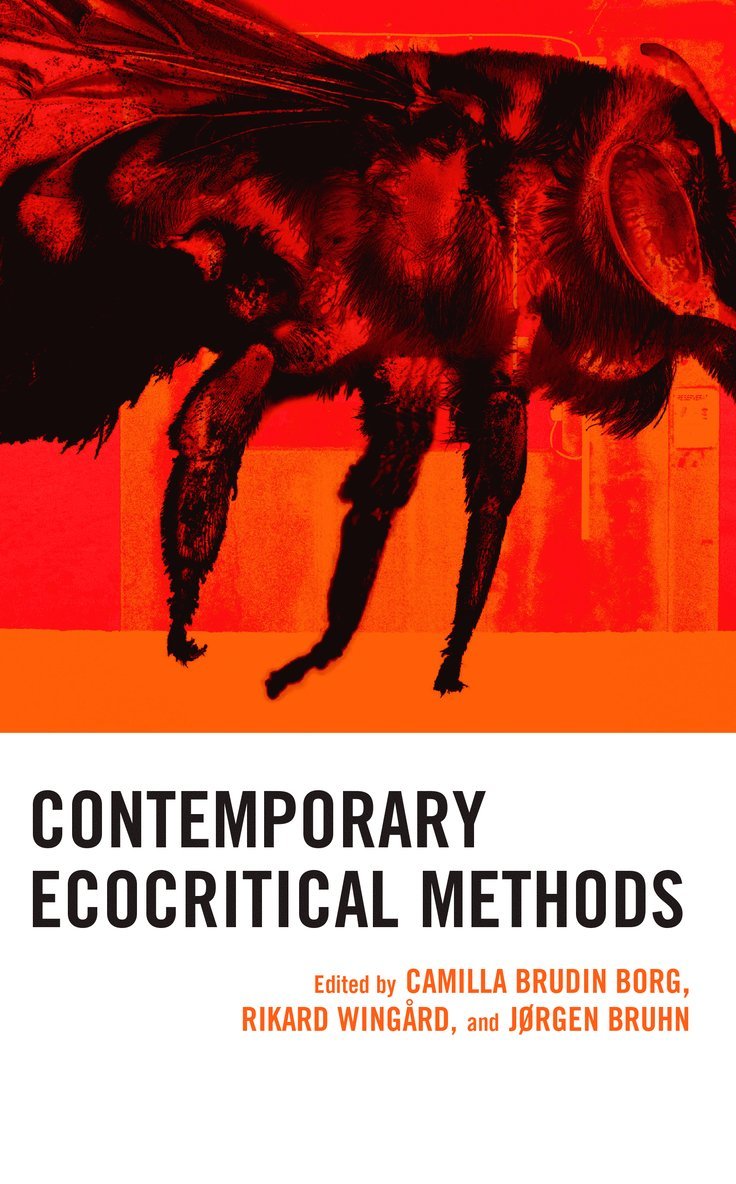
Mer från samma serie
Contemporary Ecocritical Methods
Camilla Brudin Borg, Rikard Wingård, Jørgen Bruhn
Inbunden, 2024
1 749 kr
Hoppa över listan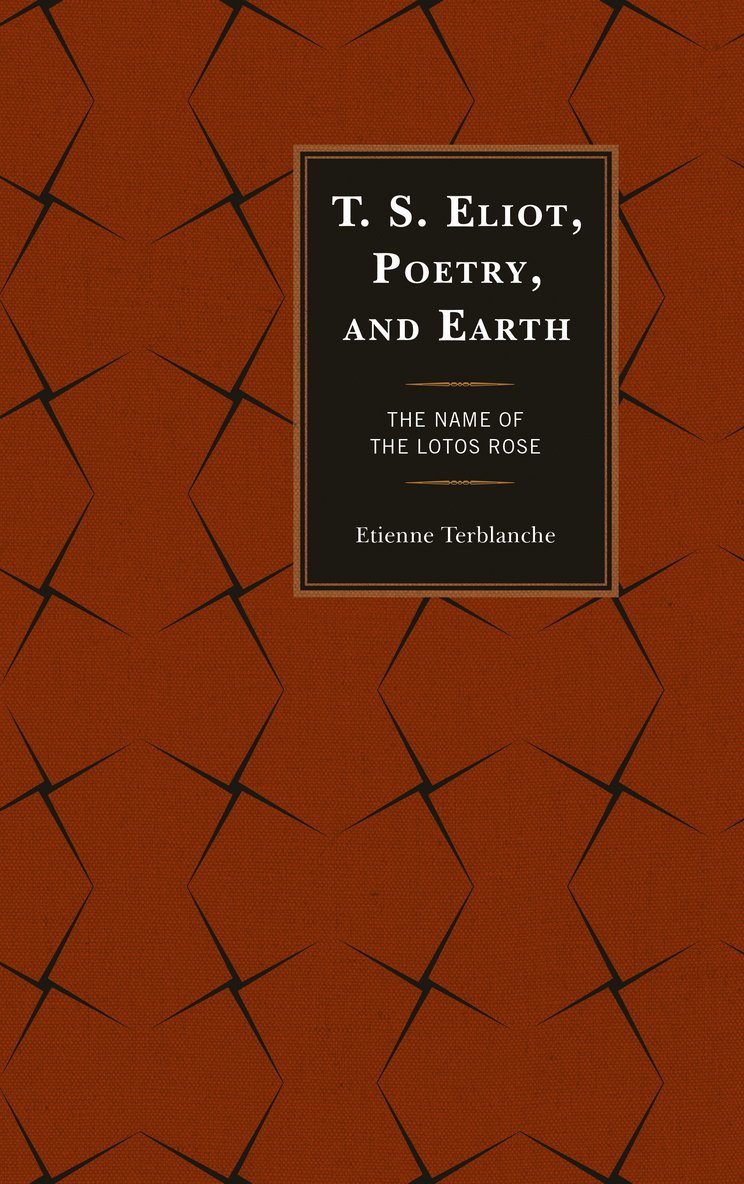




Du kanske också är intresserad av
Del 8
- Nyhet
Del 4
Del 3
- Nyhet
Del 6
Del 2
Del 1
Del 7
- Nyhet
- Nyhet
Del 11