
Del i serien Routledge Revivals
Universal Primary Education in Nigeria
A Study of Kano State
Inbunden, Engelska, 2026
1 899 kr
Beställningsvara. Skickas inom 10-15 vardagar. Fri frakt för medlemmar vid köp för minst 249 kr.
In 1976, the government and people of Nigeria launched one of the most ambitious educational projects in African history, the Universal Primary Education Scheme, popularly known as UPE. All primary education became free of charge and efforts were made to enroll as many children as possible. Just in the launching year, the number of children in Nigerian primary schools exceeded the entire population of many African countries, and further increases were rapid.First published in 1981, Universal Primary Education in Nigeria first places Nigeria in the overall context of Africa and the developing world and then goes on to examine in detail the effects and implications of UPE in Kano State, the most populous state of the Federation of Nigeria. It elucidates the main objectives of UPE from both the Kano State and national viewpoints and assesses the extent to which they were achieved. In the process, it pays particular attention to political issues and to the opposing pressures of quantity and quality.The lessons that can be drawn from the successes and problems encountered in Nigeria and the conclusions drawn about mass education schemes will be of great value to all those engaged in similar projects throughout the developing world.
Produktinformation
- Utgivningsdatum2026-02-27
- Mått138 x 216 x 16 mm
- Vikt600 g
- FormatInbunden
- SpråkEngelska
- SerieRoutledge Revivals
- Antal sidor238
- FörlagTaylor & Francis Ltd
- ISBN9781041234609
Tillhör följande kategorier
Hoppa över listan

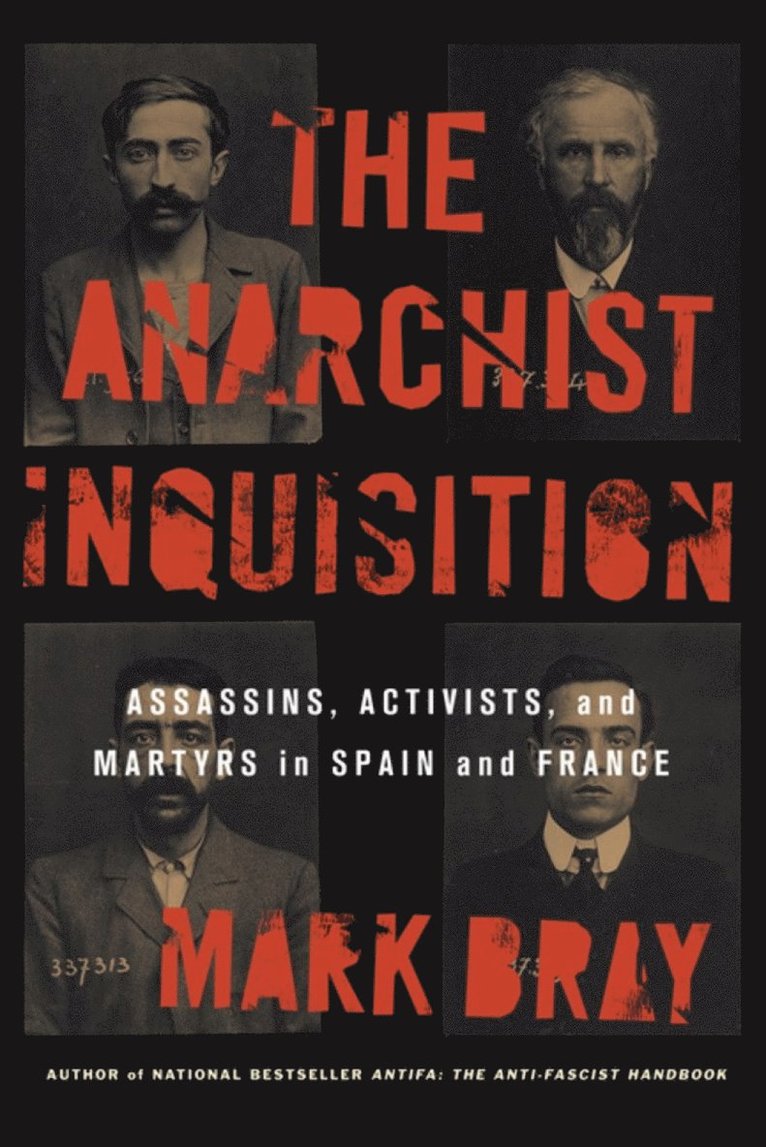

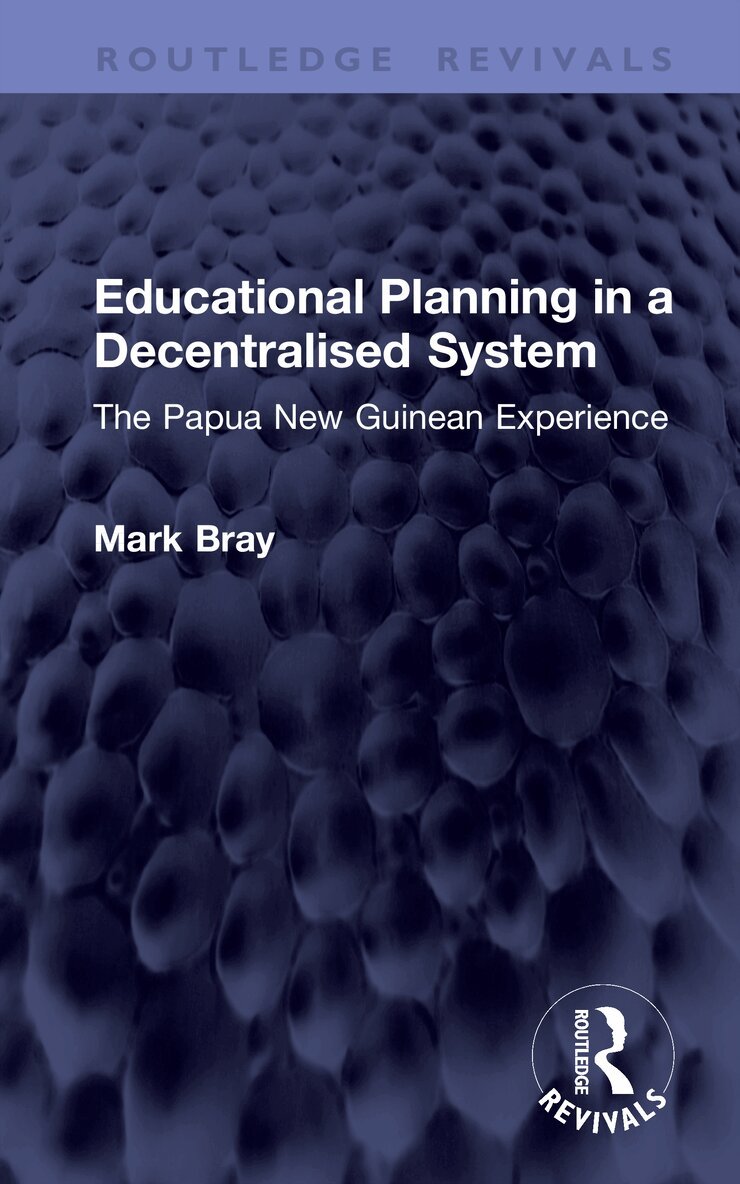
Mer från samma författare
Fascism and Antifascism Since 1945
Mark Bray, Jessica Namakkal, Giulia Riccò, Eric Roubinek
Häftad, 2021
209 kr
- Nyhet
Hoppa över listan

Du kanske också är intresserad av
Del 32
Balancing the Books – Household Financing of Basic Education in Cambodia
Mark Bray, Seng Bunly
Häftad, 2005
199 kr
Higher Education in Macau – Growth and Strategic Development
Mark Bray, Roy Butler, Philip Hui, Ora Kwo, Emily Mang
Häftad, 2002
279 kr
Reducing the Burden on the Poor – Household Costs of Basic Education in Gansu, China
Mark Bray, Xiaohao Ding, Ping Huang
Häftad, 2004
109 kr