
Del i serien Post*45
UNESCO and the Fate of the Literary
Inbunden, Engelska, 2019
2 029 kr
Beställningsvara. Skickas inom 5-8 vardagar. Fri frakt för medlemmar vid köp för minst 249 kr.
Finns i fler format (1)
A case study of one of the most important global institutions of cultural policy formation, UNESCO and the Fate of the Literary demonstrates the relationship between such policymaking and transformations in the economy. Focusing on UNESCO's use of books, Sarah Brouillette identifies three phases in the agency's history and explores the literary and cultural programming of each. In the immediate postwar period, healthy economies made possible the funding of an infrastructure in support of a liberal cosmopolitanism and the spread of capitalist democracy. In the decolonizing 1960s and '70s, illiteracy and lack of access to literature were lamented as a "book hunger" in the developing world, and reading was touted as a universal humanizing value to argue for a more balanced communications industry and copyright regime. Most recently, literature has become instrumental in city and nation branding that drive tourism and the heritage industry. Today, the agency largely treats high literature as a commercially self-sustaining product for wealthy aging publics, and fundamental policy reform to address the uneven relations that characterize global intellectual property creation is off the table. UNESCO's literary programming is in this way highly suggestive. A trajectory that might appear to be one of triumphant success—literary tourism and festival programming can be quite lucrative for some people—is also, under a different light, a story of decline.
Produktinformation
- Utgivningsdatum2019-09-10
- Mått152 x 229 x 18 mm
- Vikt431 g
- FormatInbunden
- SpråkEngelska
- SeriePost*45
- Antal sidor192
- FörlagStanford University Press
- ISBN9781503609952
Tillhör följande kategorier
Hoppa över listan
Mer från samma författare
- Nyhet
- Nyhet
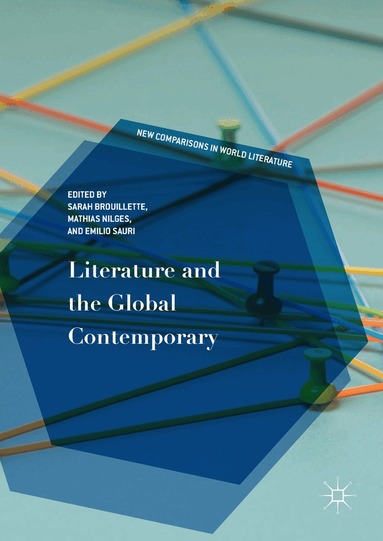
Literature and the Global Contemporary
Sarah Brouillette, Mathias Nilges, Emilio Sauri
Inbunden, 2017
1 739 kr
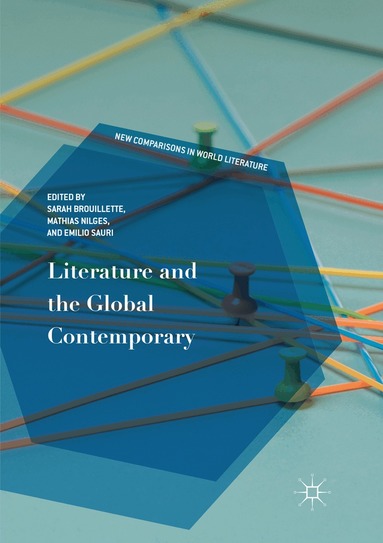
Literature and the Global Contemporary
Sarah Brouillette, Mathias Nilges, Emilio Sauri
Häftad, 2018
1 729 kr
Hoppa över listan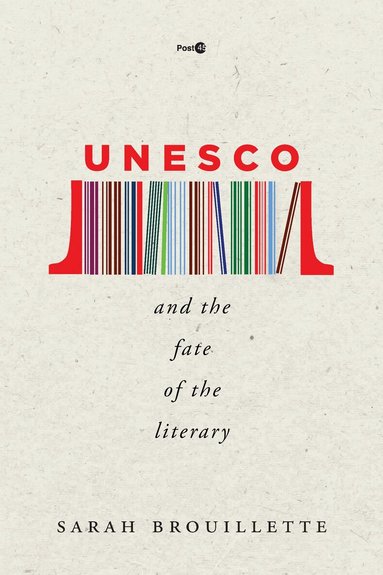

Du kanske också är intresserad av
- Nyhet
Literature and the Global Contemporary
Sarah Brouillette, Mathias Nilges, Emilio Sauri
Inbunden, 2017
1 739 kr
- Nyhet
Literature and the Global Contemporary
Sarah Brouillette, Mathias Nilges, Emilio Sauri
Häftad, 2018
1 729 kr
- Nyhet
Del 7
- Nyhet
Del 11