
Del i serien Critical Africana Studies
Transatlantic Liverpool
Shades of the Black Atlantic
Häftad, Engelska, 2024
679 kr
Beställningsvara. Skickas inom 10-15 vardagar. Fri frakt för medlemmar vid köp för minst 249 kr.
Finns i fler format (1)
In Transatlantic Liverpool: Shades of the Black Atlantic, Mark Christian presents a Black British study within the context of the transatlantic and Liverpool, England. Taking a semi-autoethnographic approach based on the author's Black Liverpool heritage, Christian interacts with Paul Gilroy's notion of the Black Atlantic. Yet, provides a fresh perspective that takes into account a famous British slave port's history that has been overlooked or under-utilized. The longevity of Black presence in the city involves a history of discrimination, stigma, and a population group known colloquially as Liverpool Born Blacks (LBBs). Crucially, this book provides the reader with a deeper insight of the transatlantic in regard to the movement of Black souls and their struggle for acceptance in a hostile environment. This book is an evocative, passionate, and revealing read.
Produktinformation
- Utgivningsdatum2024-03-22
- Mått150 x 229 x 25 mm
- Vikt467 g
- FormatHäftad
- SpråkEngelska
- SerieCritical Africana Studies
- Antal sidor350
- FörlagBloomsbury Publishing Plc
- ISBN9781793652652
Tillhör följande kategorier
Hoppa över listan




Mer från samma serie
Understanding the Black Flame and Multigenerational Education Trauma
June Cara Christian
Inbunden, 2014
1 989 kr
Hoppa över listan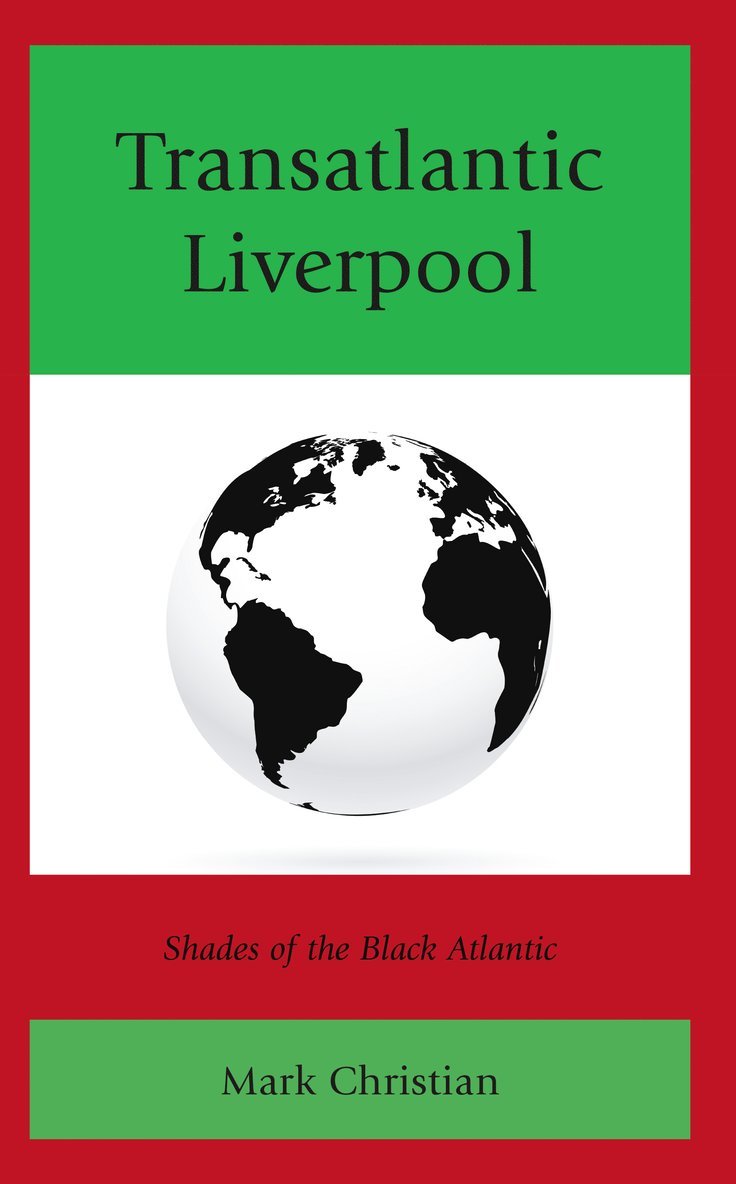




Du kanske också är intresserad av
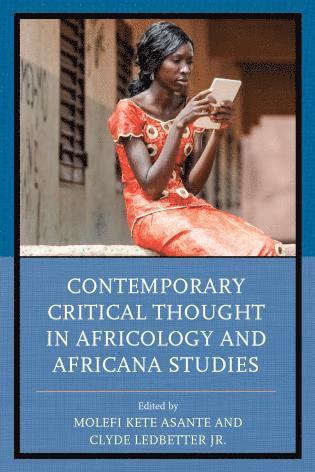
Contemporary Critical Thought in Africology and Africana Studies
Molefi Kete Asante, Clyde Ledbetter Jr.
Häftad, 2017
909 kr