
Del i serien Music and Material Culture
Senza Vestimenta: The Literary Tradition of Trecento Song
Häftad, Engelska, 2018
1 279 kr
Beställningsvara. Skickas inom 10-15 vardagar. Fri frakt för medlemmar vid köp för minst 249 kr.
Finns i fler format (1)
The metaphor of marriage often describes the relationship between poetry and music in both medieval and modern writing. While the troubadours stand out for their tendency to blur the distinction between speaking and singing, between poetry and song, a certain degree of semantic slippage extends into the realm of Italian literature through the use of genre names like canzone, sonetto, and ballata. Yet, paradoxically, scholars have traditionally identified a 'divorce' between music and poetry as the defining feature of early Italian lyric. Senza Vestimenta reintegrates poetic and musical traditions in late medieval Italy through a fresh evaluation of more than fifty literary sources transmitting Trecento song texts. These manuscripts have been long noted by musicologists, but until now they have been used to bolster rather than to debunk the notion that so-called 'poesia per musica' was relegated to the margins of poetic production. Jennings revises this view by exploring how scribes and readers interacted with song as a fundamentally interdisciplinary art form within a broad range of literary settings. Her study sheds light on the broader cultural world surrounding the reception of the Italian ars nova repertoire by uncovering new, diverse readers ranging from wealthy merchants to modest artisans.
Produktinformation
- Utgivningsdatum2018-09-18
- Mått174 x 246 x undefined mm
- Vikt580 g
- FormatHäftad
- SpråkEngelska
- SerieMusic and Material Culture
- Antal sidor312
- FörlagTaylor & Francis Ltd
- ISBN9781138379961
Tillhör följande kategorier
Hoppa över listan
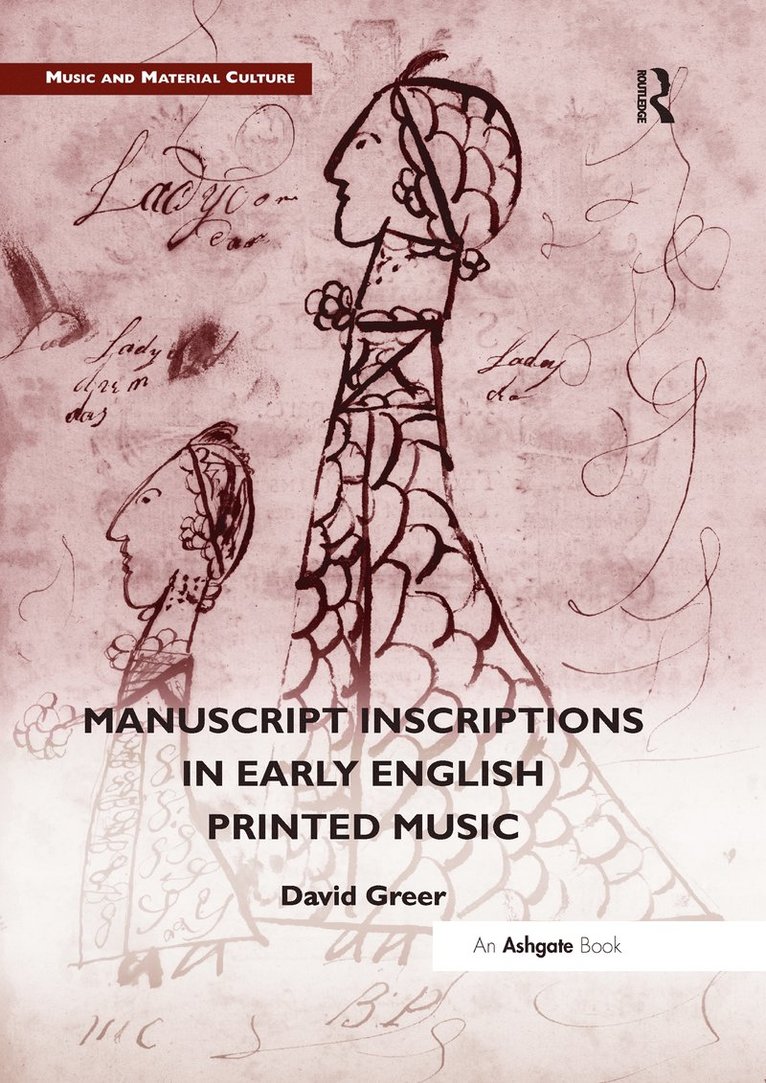

Mer från samma serie
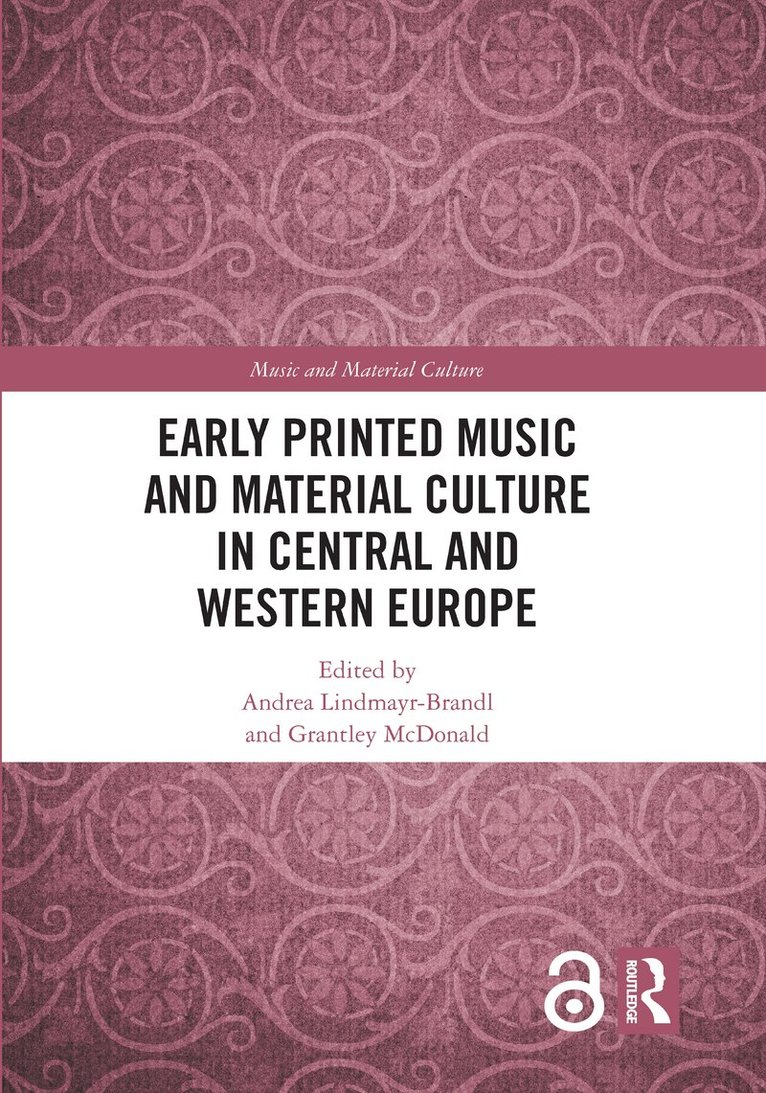
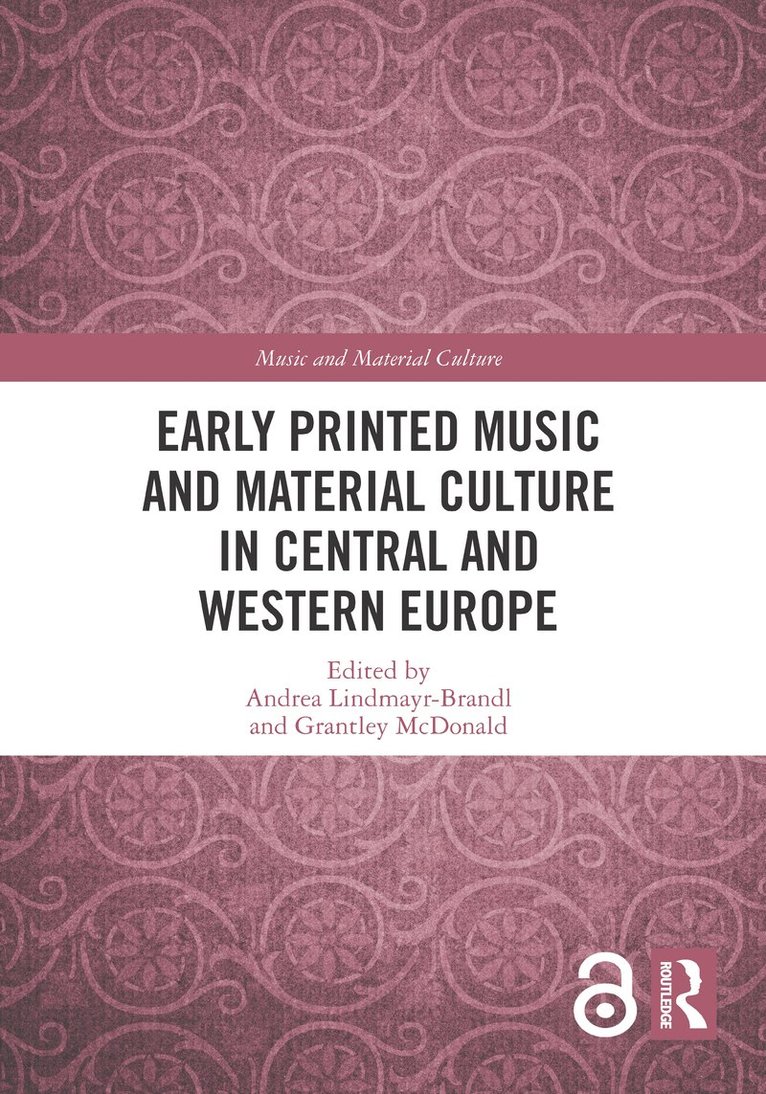
Early Printed Music and Material Culture in Central and Western Europe
Andrea Lindmayr-Brandl, Grantley McDonald
Inbunden, 2021
3 309 kr
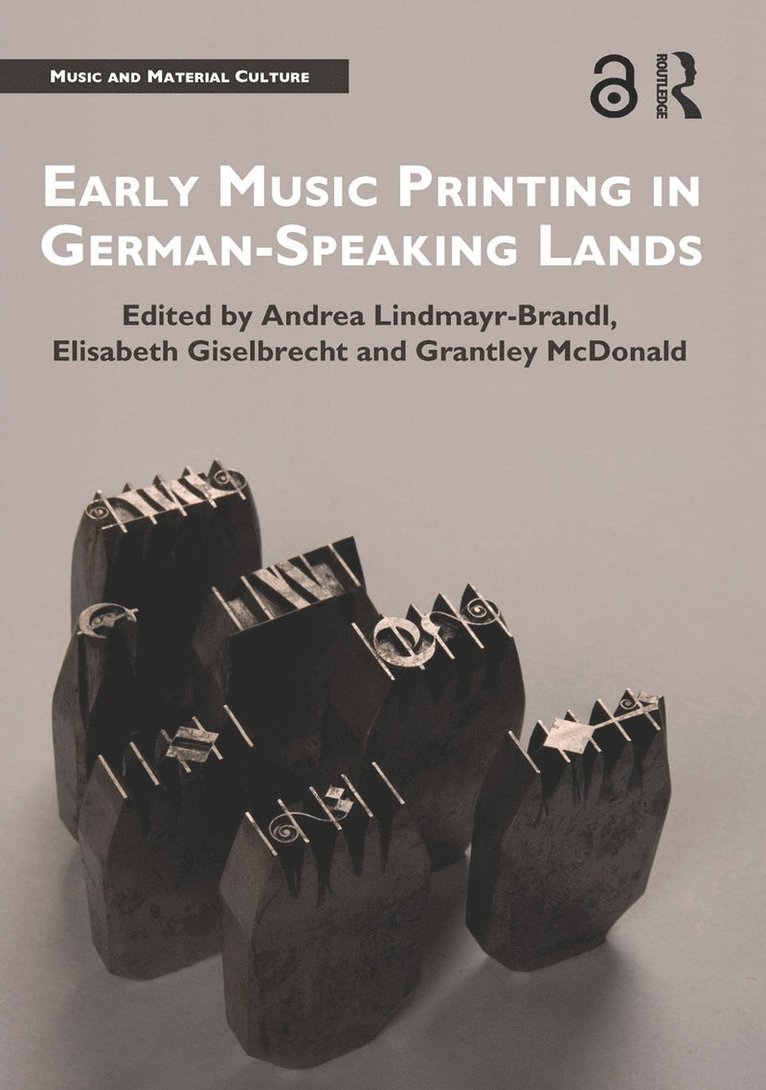
Early Music Printing in German-Speaking Lands
Andrea Lindmayr-Brandl, Elisabeth Giselbrecht, Grantley McDonald
Häftad, 2020
1 059 kr
Early Printed Music and Material Culture in Central and Western Europe
Andrea Lindmayr-Brandl, Grantley McDonald
Häftad, 2023
849 kr
Early Music Printing in German-Speaking Lands
Andrea Lindmayr-Brandl, Elisabeth Giselbrecht, Grantley McDonald
Inbunden, 2018
3 619 kr
Hoppa över listan
Du kanske också är intresserad av
Early Printed Music and Material Culture in Central and Western Europe
Andrea Lindmayr-Brandl, Grantley McDonald
Häftad, 2023
849 kr
- Nyhet
Del 3
Early Printed Music and Material Culture in Central and Western Europe
Andrea Lindmayr-Brandl, Grantley McDonald
Inbunden, 2021
3 309 kr
Early Music Printing in German-Speaking Lands
Andrea Lindmayr-Brandl, Elisabeth Giselbrecht, Grantley McDonald
Inbunden, 2018
3 619 kr