
Performing Arts Center Management
Häftad, Engelska, 2018
989 kr
Beställningsvara. Skickas inom 10-15 vardagar. Fri frakt för medlemmar vid köp för minst 249 kr.
Performing arts centers (PACs) are an integral part of the cultural and creative industries, significantly influencing the cultural, social, and economic vitality of communities around the world. Virtually all PACs are community-based and serve the public interest, whether structured as a public, nonprofit, for-profit, or hybrid entity. However, there is a lack of knowledge about the important community role of performing arts centers, especially those that mainly host and present work produced by other arts organizations. This gap is startling, given the ubiquitous presence of PACs in urban centers, small communities, as well as colleges and universities. This co-edited reference book provides valuable information at the intersection of theory and practice in the professional field of executive leadership of performing arts centers. Drawing on the expertise of leading academics, consultants, and executives, this book focuses on institutions and practices in the United States, and is contextualized within additional fields such as cultural planning, urban revitalization, and economic development. Performing Arts Center Management aims to provide valuable theoretical, conceptual, empirical, and practice-based information to current and future leaders in creative and cultural industries management. It serves as a unique reference for researchers, university students, civic leaders, urban planners, public venue managers, and arts administrators aspiring to improve or advance their work in successfully managing performing arts centers.
Produktinformation
- Utgivningsdatum2018-08-06
- Mått152 x 229 x 27 mm
- Vikt680 g
- FormatHäftad
- SpråkEngelska
- SerieRoutledge Research in the Creative and Cultural Industries
- Antal sidor278
- FörlagTaylor & Francis Ltd
- ISBN9781138339958
Tillhör följande kategorier
Hoppa över listan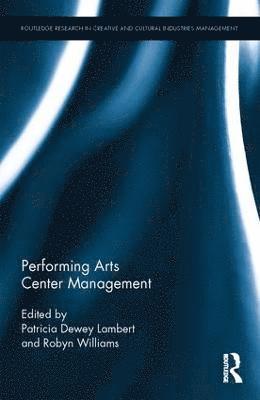




Du kanske också är intresserad av
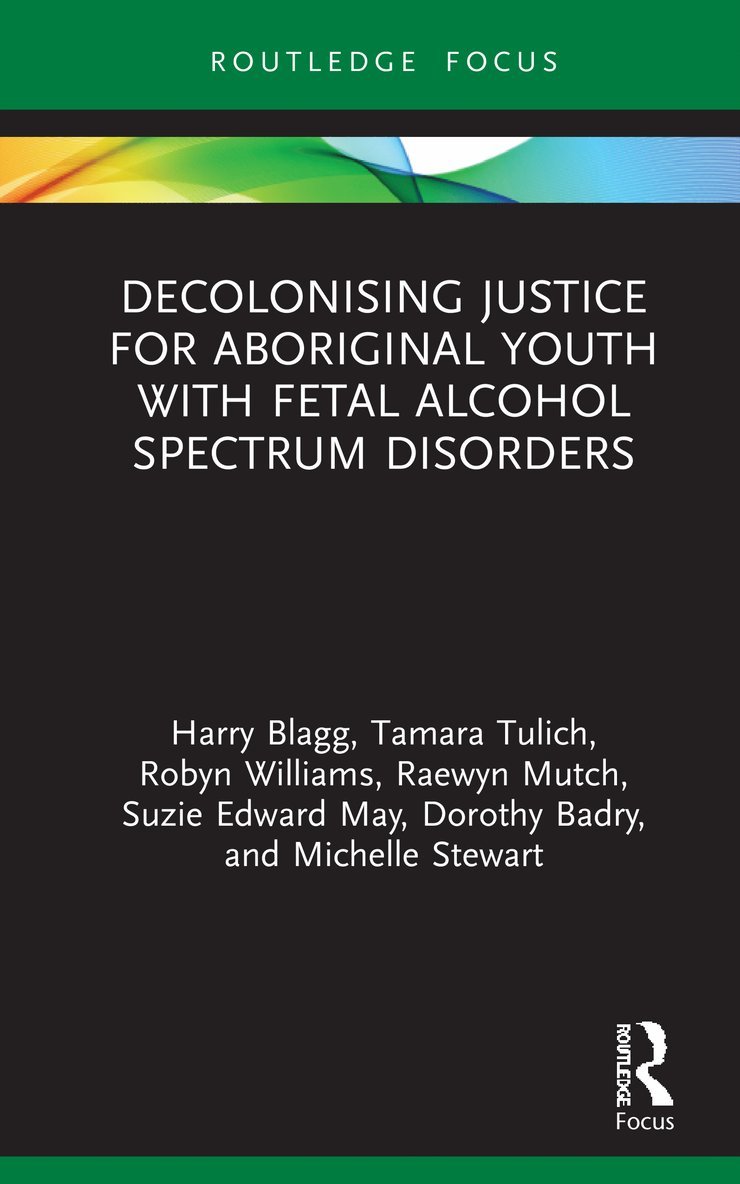
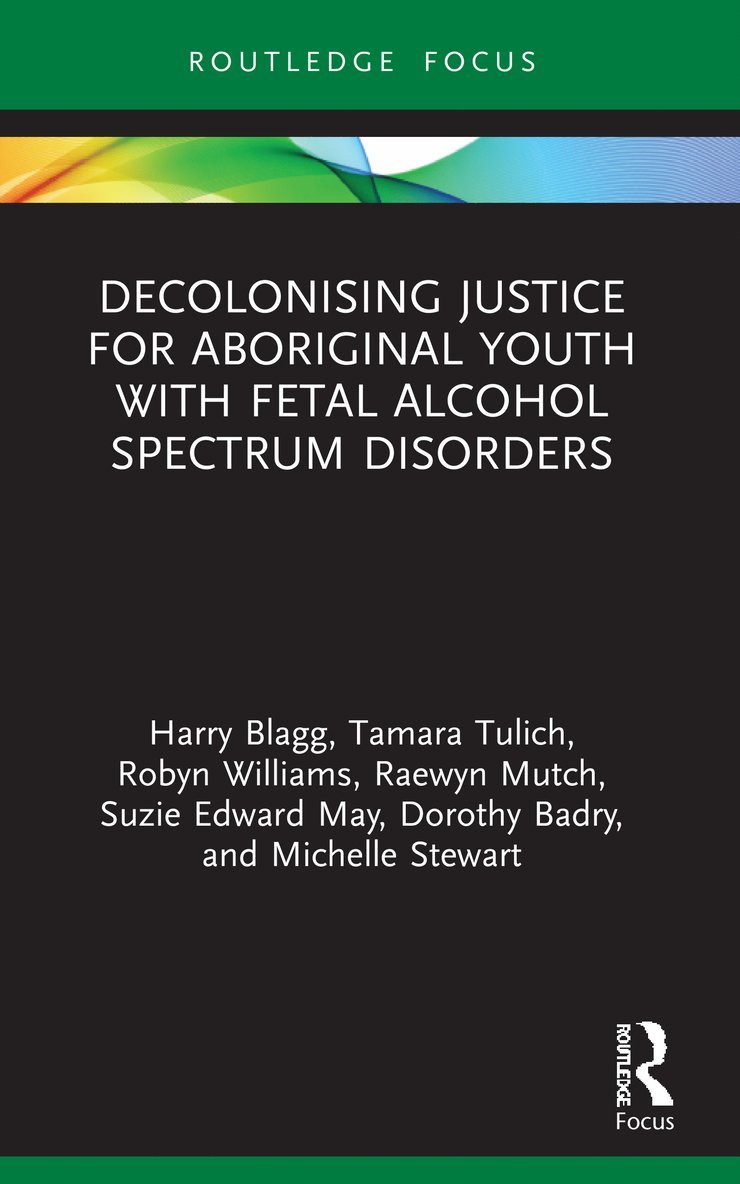
Decolonising Justice for Aboriginal youth with Fetal Alcohol Spectrum Disorders
Harry Blagg, Tamara Tulich, Robyn Williams, Raewyn Mutch, Suzie Edward May, Dorothy Badry, Michelle Stewart
Inbunden, 2020
1 169 kr
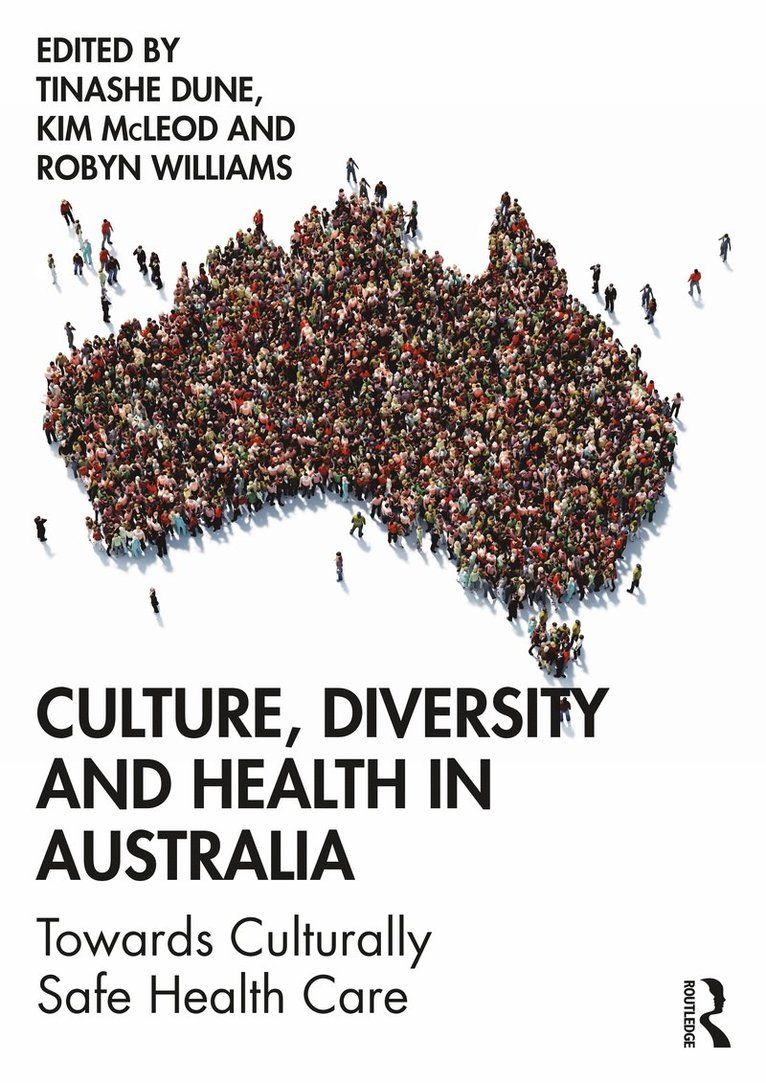
Culture, Diversity and Health in Australia
Tinashe Dune, Kim McLeod, Robyn Williams
Häftad, 2021
779 kr
Decolonising Justice for Aboriginal youth with Fetal Alcohol Spectrum Disorders
Harry Blagg, Tamara Tulich, Robyn Williams, Raewyn Mutch, Dorothy Badry, Michelle Stewart, Suzie Edward May
Häftad, 2022
439 kr