
Del 4
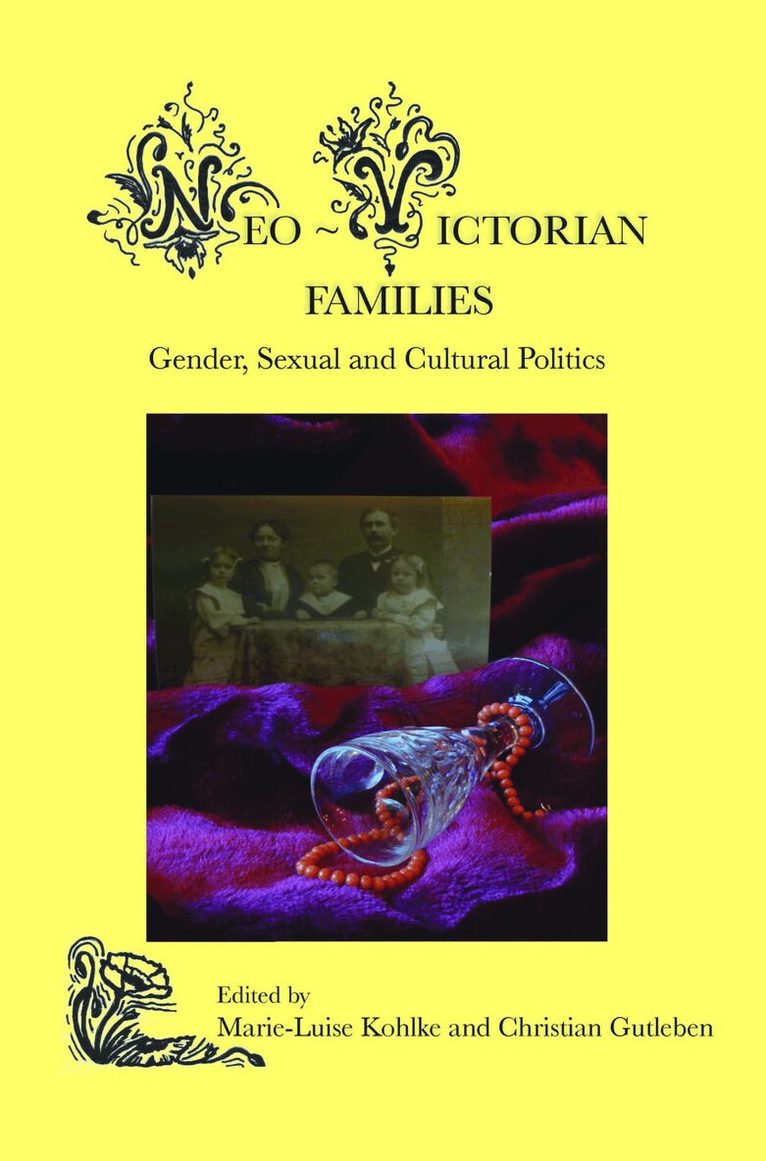
Del 5 i serien Neo-Victorian Series
Neo-Victorian Humour
Comic Subversions and Unlaughter in Contemporary Historical Re-Visions
Inbunden, Engelska, 2017
3 049 kr
Beställningsvara. Skickas inom 5-8 vardagar. Fri frakt för medlemmar vid köp för minst 249 kr.
This volume highlights humour’s crucial role in shaping historical re-visions of the long nineteenth century, through modes ranging from subtle irony, camp excess, ribald farce, and aesthetic parody to blackly comic narrative games. It analyses neo-Victorian humour’s politicisation, its ideological functions and ethical implications across varied media, including fiction, drama, film, webcomics, and fashion. Contemporary humour maps the assumed distance between postmodernity and its targeted nineteenth-century referents only to repeatedly collapse the same in a seemingly self-defeating nihilistic project. This collection explores how neo-Victorian humour generates empathy and effective socio-political critique, dispensing symbolic justice, but also risks recycling the past’s invidious ideologies under the politically correct guise of comic debunking, even to the point of negating laughter itself."This rich and innovative collection invites us to reflect on the complex and various deployments of humour in neo-Victorian texts, where its consumers may wish at times that they could swallow back the laughter a scene or event provokes. It covers a range of approaches to humour utilised by neo-Victorian writers, dramatists, graphic novelists and filmmakers – including the deliberately and pompously unfunny, the traumatic, the absurd, the ribald, and the frankly distasteful – producing a richly satisfying anthology of innovative readings of ‘canonical’ neo-Victorian texts as well as those which are potential generic outliers. The collection explores what is funny in the neo-Victorian and who we are laughing at – the Victorians, as we like to imagine them, or ourselves, in ways we rarely acknowledge? This is a celebration of the parodic playfulness of a wide range of texts, from fiction to fashion, whilst offering a trenchant critique of the politics of postmodern laughter that will appeal to those working in adaptation studies, gender and queer studies, as well as literary and cultural studies more generally."- Prof. Imelda Whelehan, University of Tasmania, Australia
Produktinformation
- Utgivningsdatum2017-06-21
- Mått155 x 235 x 27 mm
- Vikt704 g
- FormatInbunden
- SpråkEngelska
- SerieNeo-Victorian Series
- Antal sidor350
- FörlagBrill
- ISBN9789004336605
Tillhör följande kategorier
Hoppa över listan

Du kanske också är intresserad av
Del 4
Del 6
Del 53
Del 9
Del 8
Del 7
Del 10
- Nyhet
Del 3
Del 1
Del 2