
Del i serien Routledge Focus on Film Studies
Migrants in Contemporary Spanish Film
Häftad, Engelska, 2019
479 kr
Beställningsvara. Skickas inom 10-15 vardagar. Fri frakt för medlemmar vid köp för minst 249 kr.
Finns i fler format (1)
During the last two decades Spain has undergone an unprecedented transformation from being a country of emigrants to receiving a significant number of migrants from all around the world. This book focuses on the analysis of documentaries and fiction films representing migrants in Spain in the first decade of the twenty-first century. Guillén Marín explores the ways in which migrant and non-migrant filmmakers reframe the urban and rural space to create opportunities for a free, although contested, exchange between marginal voices and mainstream Spanish society. She analyzes the extent to which the films challenge forms of exclusion and represent ethnicity in a space that includes some and excludes others.
Produktinformation
- Utgivningsdatum2019-12-10
- Mått138 x 216 x 12 mm
- Vikt280 g
- FormatHäftad
- SpråkEngelska
- SerieRoutledge Focus on Film Studies
- Antal sidor124
- FörlagTaylor & Francis Ltd
- ISBN9780367890407
Tillhör följande kategorier
Hoppa över listan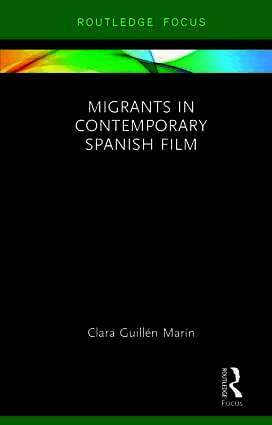

Du kanske också är intresserad av
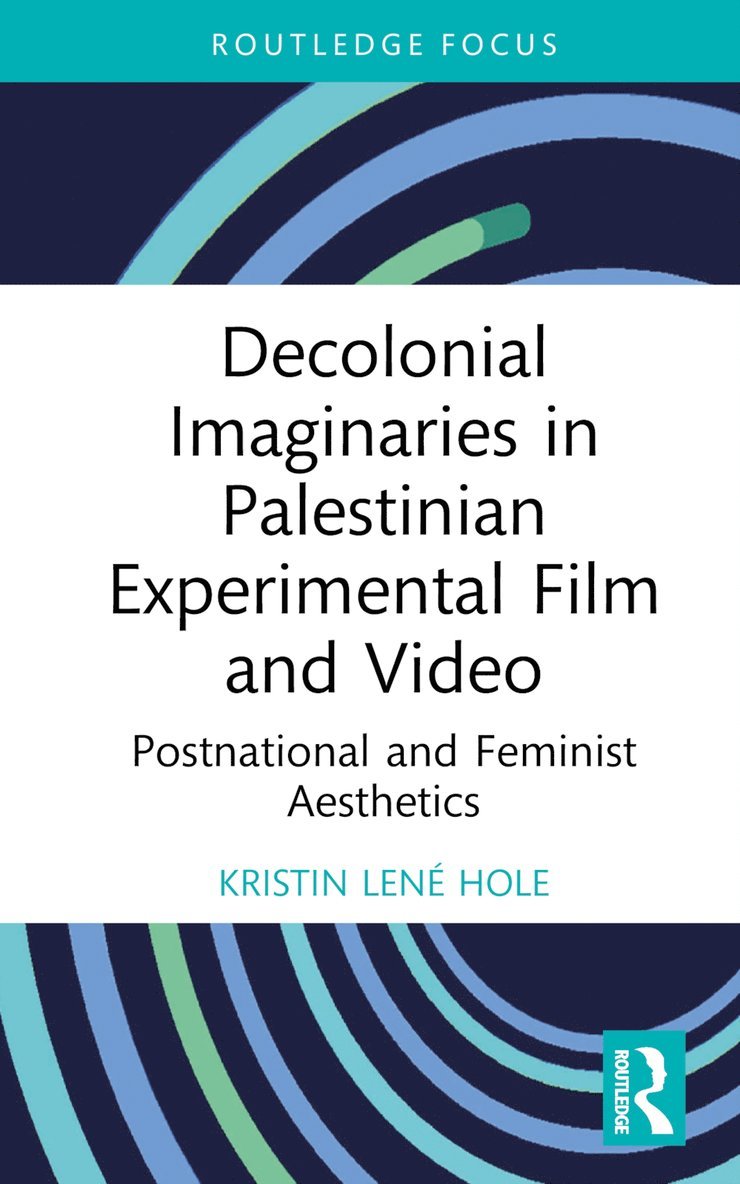
Decolonial Imaginaries in Palestinian Experimental Film and Video
Kristin Lené Hole
Inbunden, 2024
1 279 kr
Migration and Identity in British East and Southeast Asian Cinema
Wing-Fai Leung
Inbunden, 2023
1 099 kr