
Melville's Democracy
Radical Figuration and Political Form
Inbunden, Engelska, 2023
1 169 kr
. Fri frakt för medlemmar vid köp för minst 249 kr.
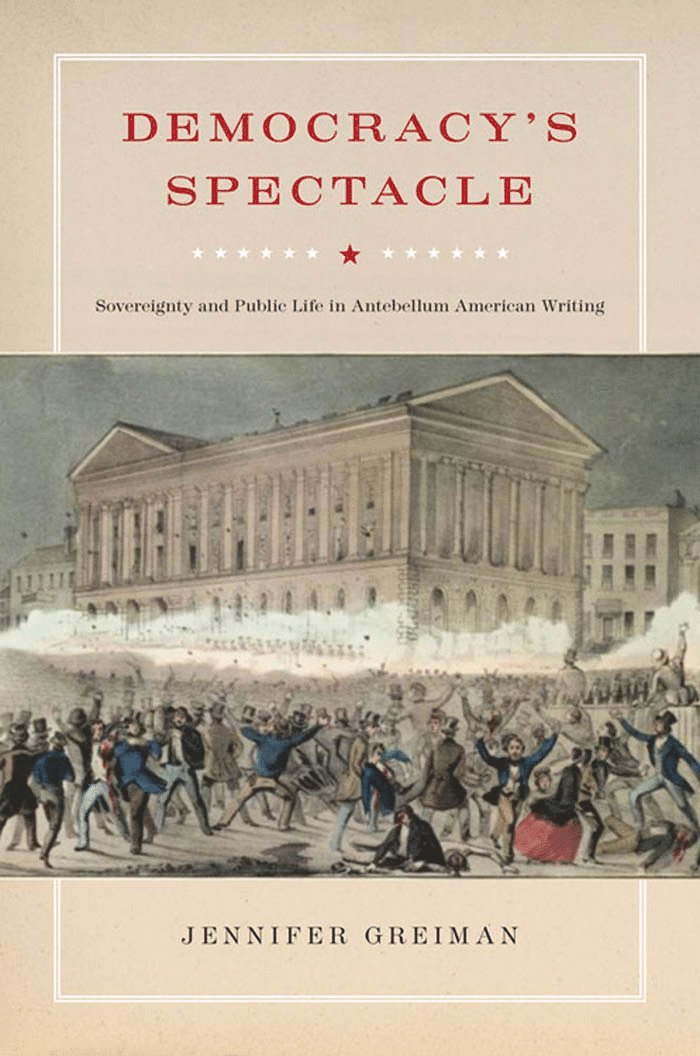
For Herman Melville, the instability of democracy held tremendous creative potential. Examining the centrality of political thought to Melville's oeuvre, Jennifer Greiman argues that Melville's densely figurative aesthetics give form to a radical reimagining of democratic foundations, relations, and ways of being—modeling how we can think democracy in political theory today.Across Melville's five decades of writing, from his early Pacific novels to his late poetry, Greiman identifies a literary formalism that is radically political and carries the project of democratic theory in new directions. Recovering Melville's readings in political philosophy and aesthetics, Greiman shows how he engaged with key problems in political theory—the paradox of foundations, the vicious circles of sovereign power, the fragility of the people—to produce a body of radical democratic art and thought. Scenes of green and growing life, circular structures, and images of a groundless world emerge as forms for understanding democracy as a collective project in flux. In Melville's experimental aesthetics, Greiman finds a significant precursor to the tradition of radical democratic theory in the US and France that emphasizes transience and creativity over the foundations and forms prized by liberalism. Such politics, she argues, are necessarily aesthetic: attuned to material and sensible distinctions, open to new forces of creativity.
Produktinformation
- Utgivningsdatum2023-01-31
- Mått152 x 229 x 29 mm
- Vikt690 g
- FormatInbunden
- SpråkEngelska
- Antal sidor350
- FörlagStanford University Press
- ISBN9781503633322
Tillhör följande kategorier
Hoppa över listan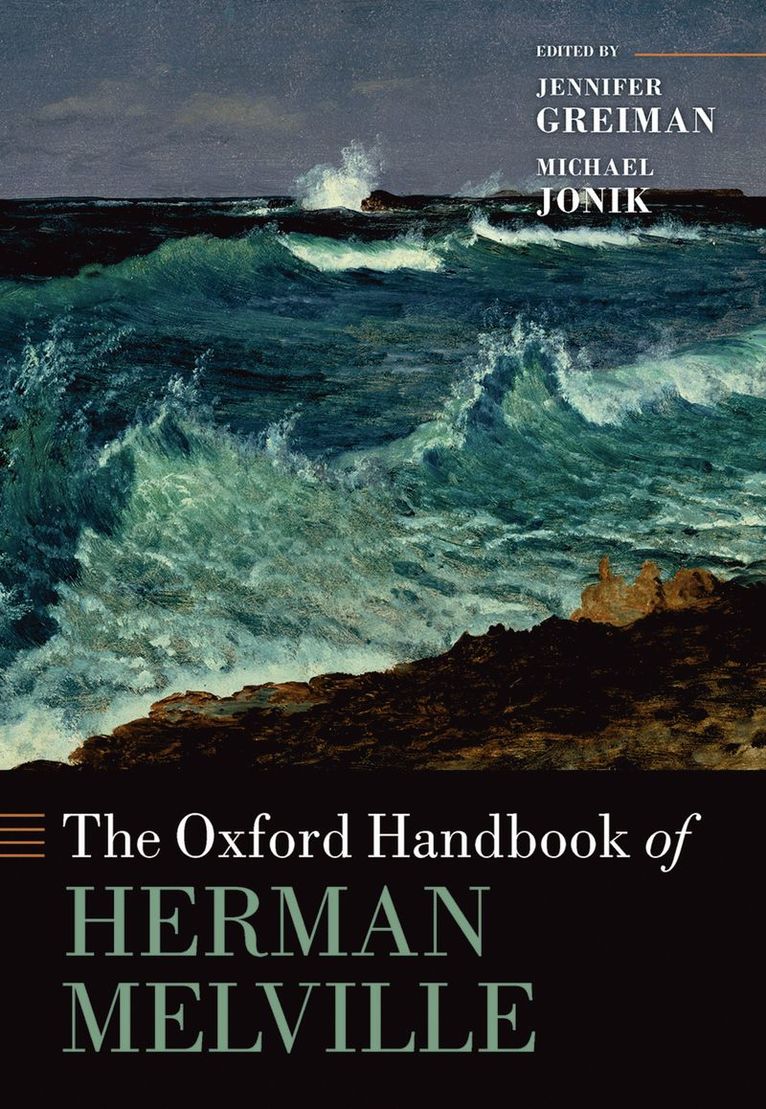






Du kanske också är intresserad av
- Nyhet
Del 3
- Nyhet
Del 11
- Nyhet
Domino : Dåren, domaren och den välkammade mannen från pirayaministeriet
Håkan Nesser
Inbunden, 2026
289 kr329 kr
- Nyhet
Del 6
- Nyhet
Del 4
Del 3