
Del i serien Politics of Education in Asia
Curriculum, Crisis, and Epistemic Governance in South Korea
Decolonizing the Mind
Inbunden, Engelska, 2026
3 109 kr
Beställningsvara. Skickas inom 10-15 vardagar. Fri frakt för medlemmar vid köp för minst 249 kr.
Offering an illuminating exploration of power dynamics and colonial legacies within South Korean education, this timely book examines how the South Korean state governs through curriculum reform, turning public participation into a moralized and technical project of national development.This book draws on archival documents, policy reports, and extensive interviews with curriculum committee members to reveal how crisis narratives, future-oriented discourse, and OECD expertise shape contemporary educational reform. Across six chapters, the author shows how democratic procedures become administrative rituals, how citizens are mobilized as ethical subjects of reform, and how participation serves to refine—rather than challenge—developmentalist state power. Further, this book traces this dynamic from Cold War nation-building to recent curriculum revisions, illustrating how moral language, expert authority, and bureaucratic coordination work together to foreclose political alternatives.With theoretical frameworks and critical perspectives that speak to broader Asian and transnational contexts, this book is a vital resource for scholars and academics of education policy, post-colonial studies, and comparative studies. It will also be relevant to educators and policymakers interested in curriculum reform, democratic governance, state power, and the shifting relationship between expertise and public participation.The Introduction, Chapters 2 and 6 of this book are freely available as downloadable Open Access PDFs at http://www.taylorfrancis.com under a Creative Commons Attribution-Non Commercial-No Derivatives (CC BY-NC-ND) 4.0 license.
Produktinformation
- Utgivningsdatum2026-05-08
- Mått156 x 234 x 13 mm
- Vikt530 g
- FormatInbunden
- SpråkEngelska
- SeriePolitics of Education in Asia
- Antal sidor180
- FörlagTaylor & Francis Ltd
- ISBN9781032739526
Tillhör följande kategorier
Hoppa över listan
Mer från samma serie
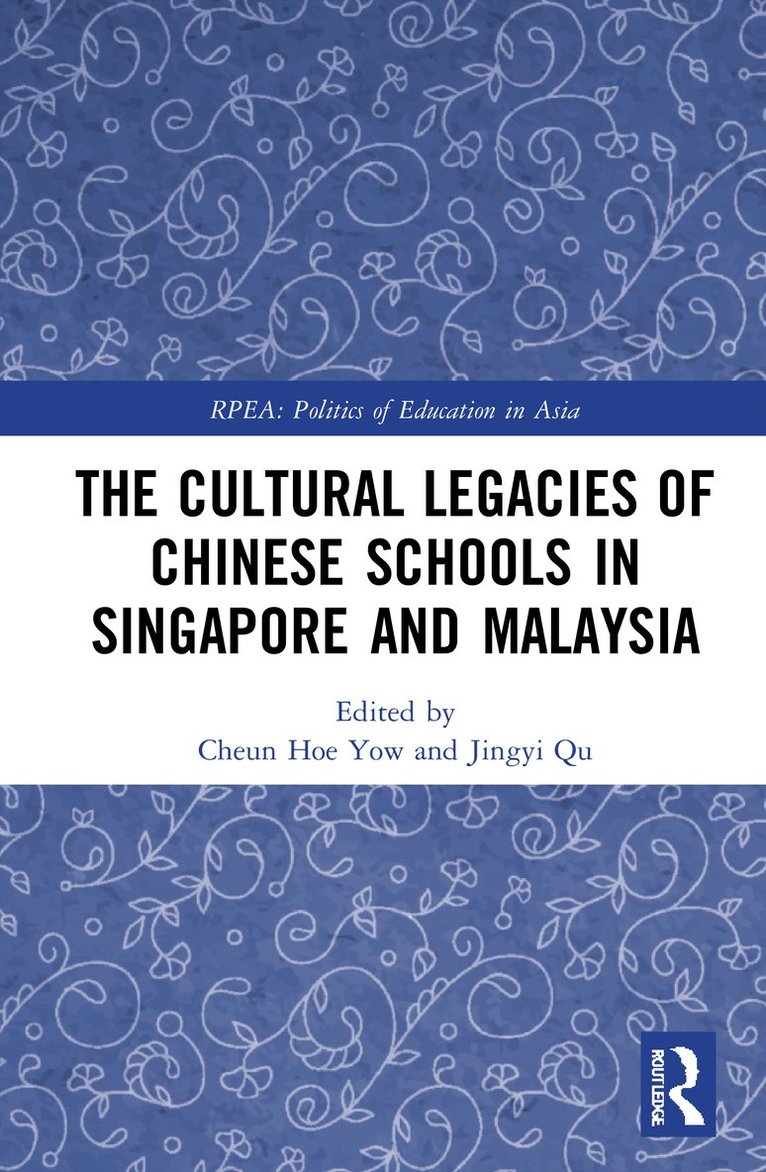
Cultural Legacies of Chinese Schools in Singapore and Malaysia
Cheun Hoe Yow, Jingyi Qu
Inbunden, 2021
3 199 kr
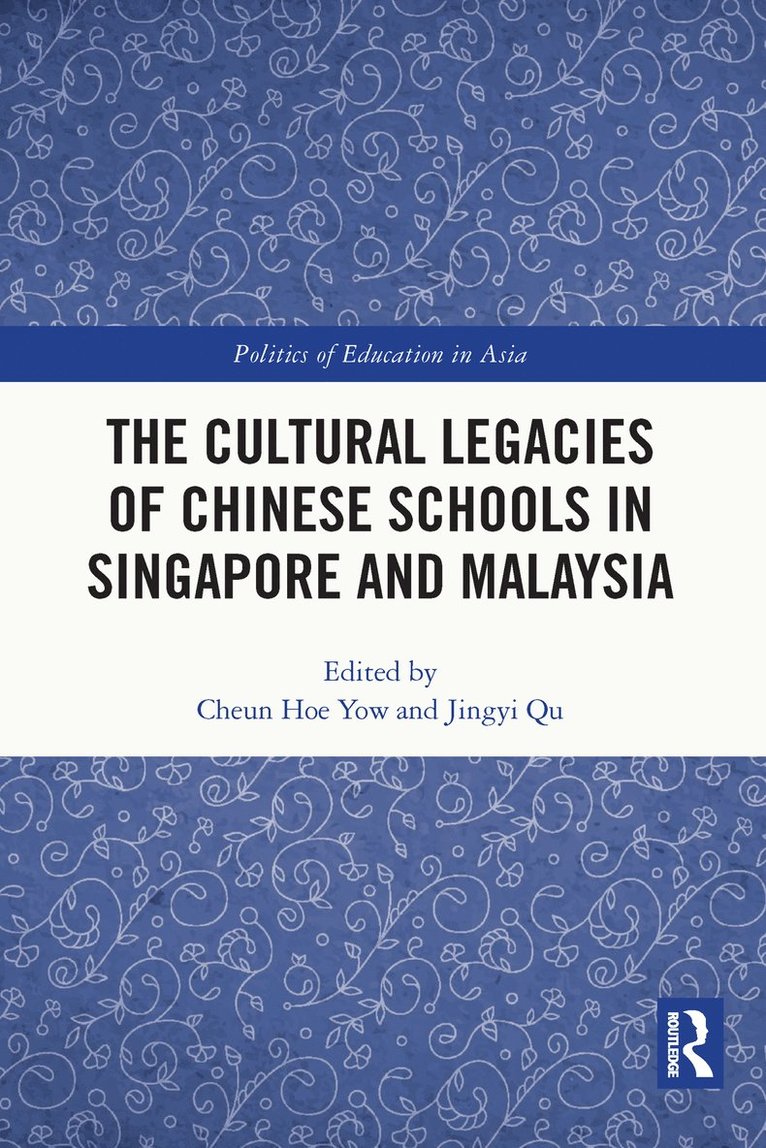
Cultural Legacies of Chinese Schools in Singapore and Malaysia
Cheun Hoe Yow, Jingyi Qu
Häftad, 2022
829 kr
Hoppa över listan


Du kanske också är intresserad av
Investigating the Sustainable Development Education Goal in Bangladesh and India
Rino Wiseman Adhikary
Inbunden, 2026
3 109 kr
Cultural Legacies of Chinese Schools in Singapore and Malaysia
Cheun Hoe Yow, Jingyi Qu
Häftad, 2022
829 kr
- Nyhet
Del 3
- Nyhet
Del 11