
Del i serien Russian Shorts
Afterlife of the ‘Soviet Man’
Rethinking Homo Sovieticus
Inbunden, Engelska, 2023
859 kr
Beställningsvara. Skickas inom 10-15 vardagar. Fri frakt för medlemmar vid köp för minst 249 kr.
Finns i fler format (1)
Almost three decades after the collapse of the Soviet Union, today more often than ever, global media and intellectuals rely on the concept of homo sovieticus to explain Russia’s authoritarian ills. Homo sovieticus - or the Soviet man - is understood to be a double-thinking, suspicious and fearful conformist with no morality, an innate obedience to authority and no public demands; they have been forged in the fires of the totalitarian conditions in which they find themselves.But where did this concept come from? What analytical and ideological pillars does it stand on? What is at stake in using this term today? The Afterlife of the ‘Soviet Man’ addresses all these questions and even explains why – at least in its contemporary usage – this concept should be abandoned altogether.
Produktinformation
- Utgivningsdatum2023-02-23
- Mått136 x 206 x 14 mm
- Vikt260 g
- FormatInbunden
- SpråkEngelska
- SerieRussian Shorts
- Antal sidor136
- FörlagBloomsbury Publishing PLC
- ISBN9781350167711
Tillhör följande kategorier
Hoppa över listan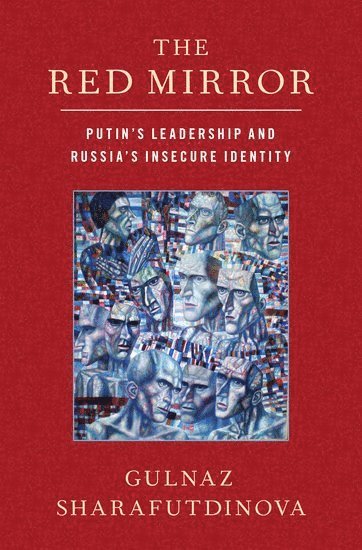
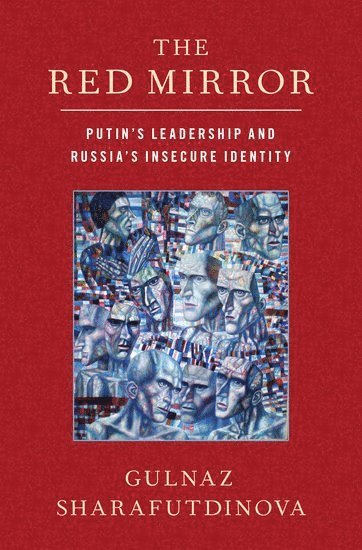
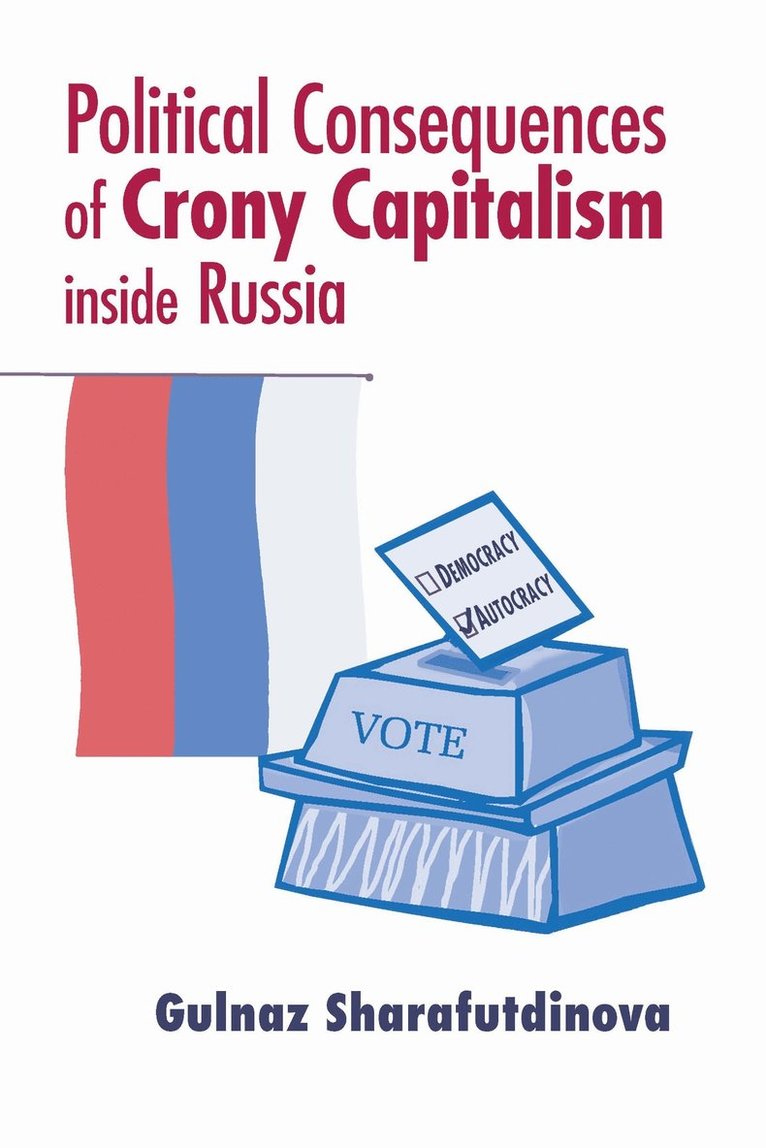
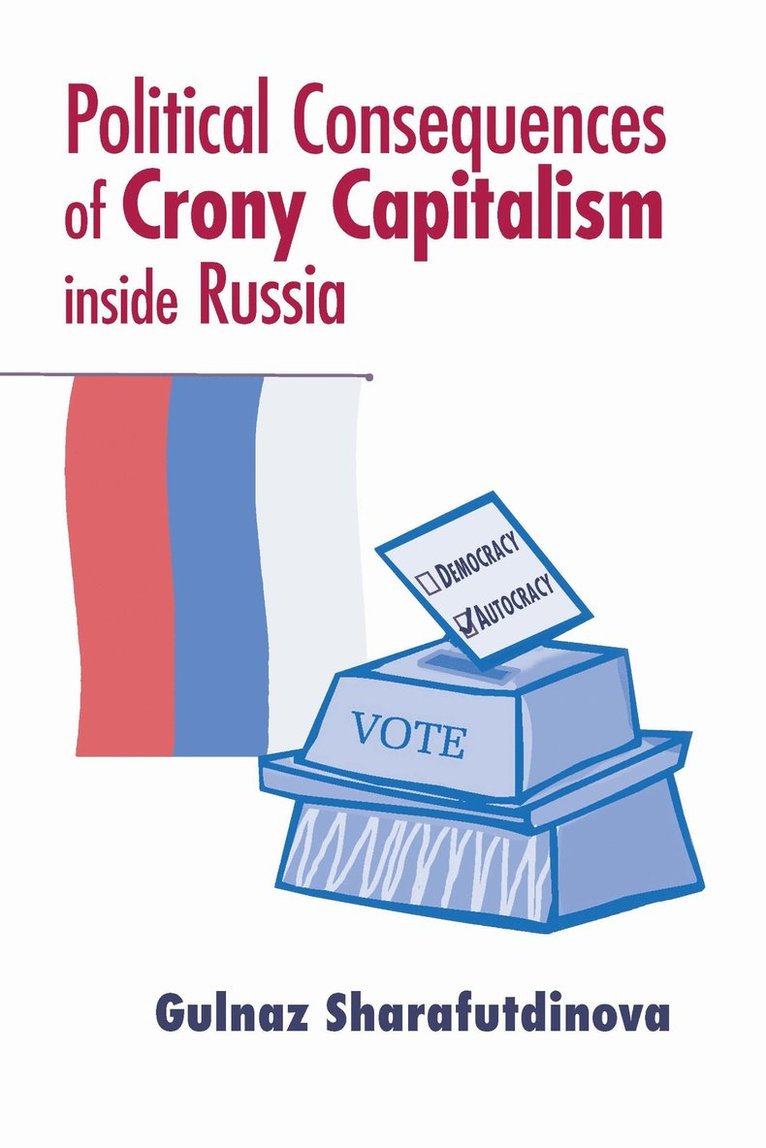
Mer från samma författare
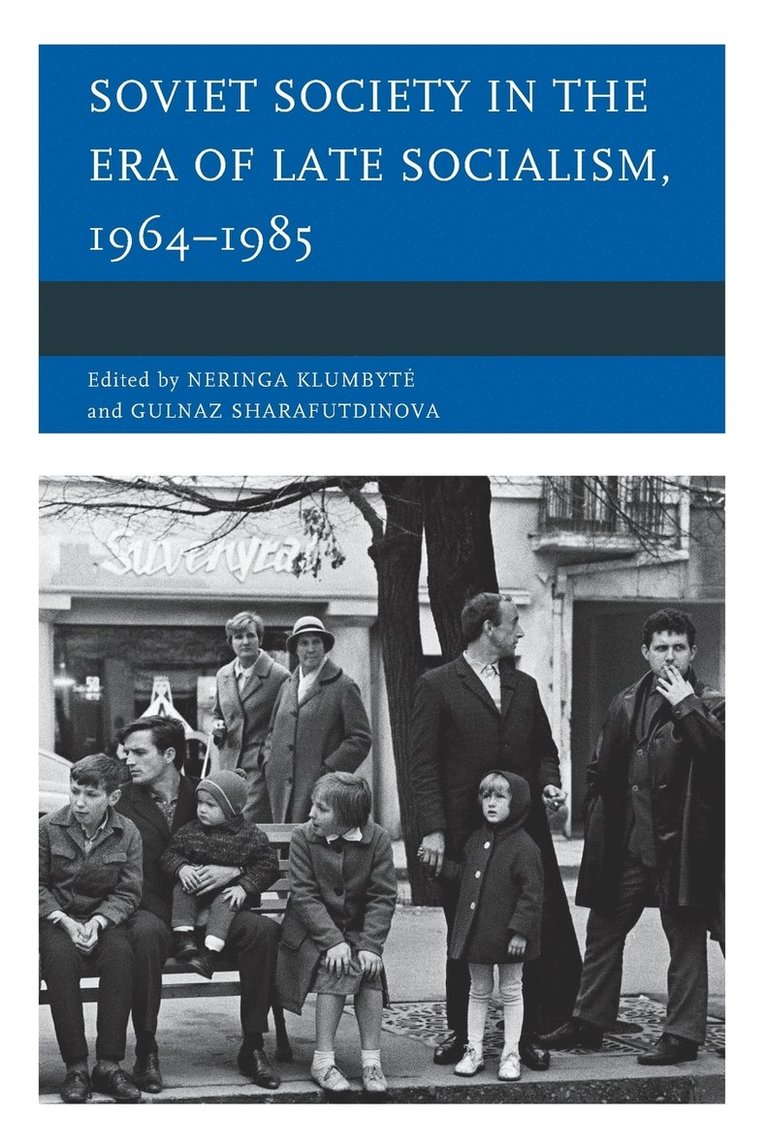
Soviet Society in the Era of Late Socialism, 1964–1985
Neringa Klumbyte, Gulnaz Sharafutdinova
Häftad, 2014
939 kr
Hoppa över listan
Mer från samma serie
Ayn Rand and the Russian Intelligentsia
Derek Offord, Stephen M. Norris, Stephen M Norris, Polly Jones
Häftad, 2022
269 kr
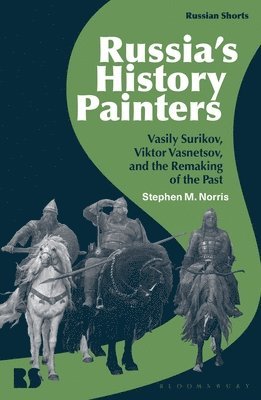
Russia's History Painters
Stephen M. Norris, Stephen M. Norris, Stephen M Norris, Polly Jones
Inbunden, 2030
729 kr
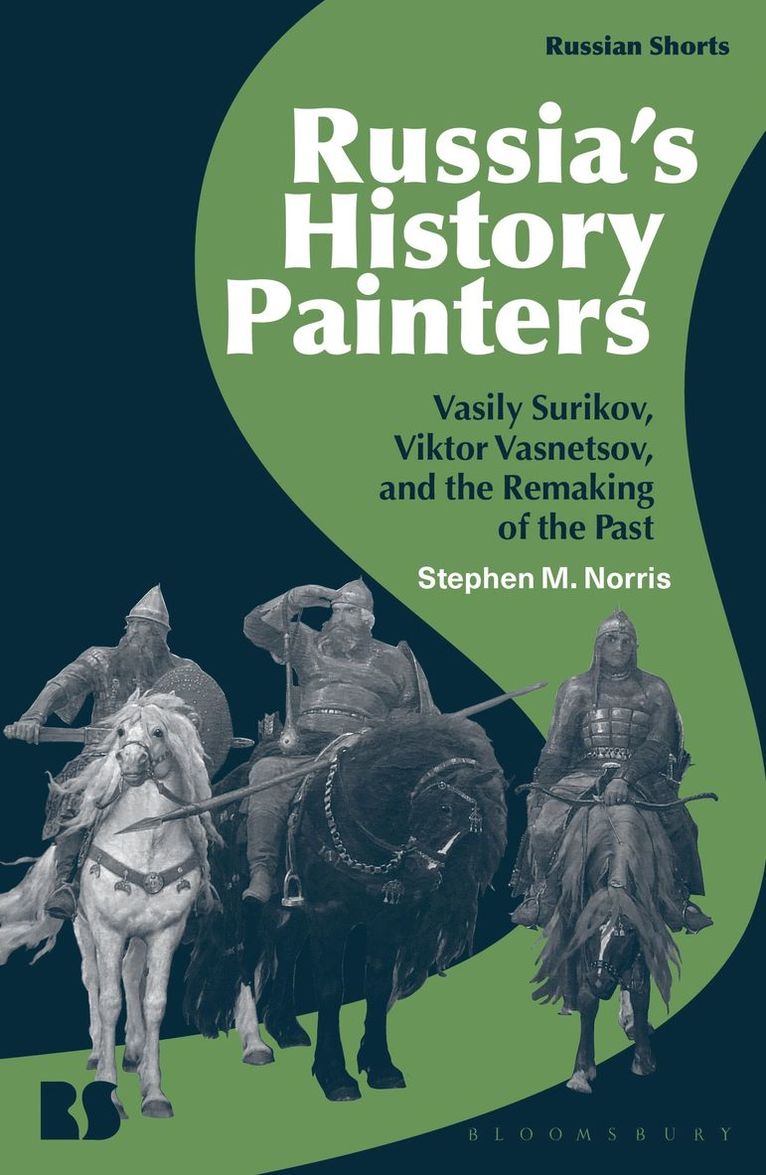
Russia's History Painters
Stephen M. Norris, Stephen M. Norris, Stephen M Norris, Polly Jones
Häftad, 2030
219 kr
Hoppa över listan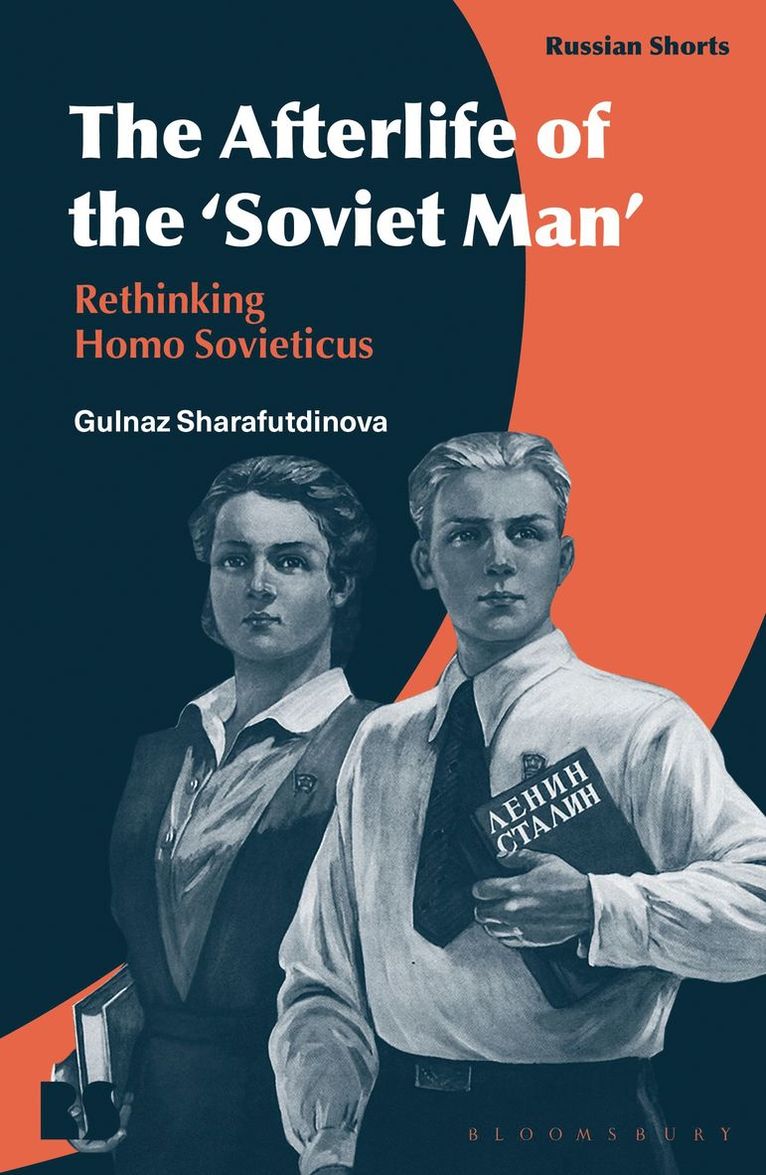
Du kanske också är intresserad av
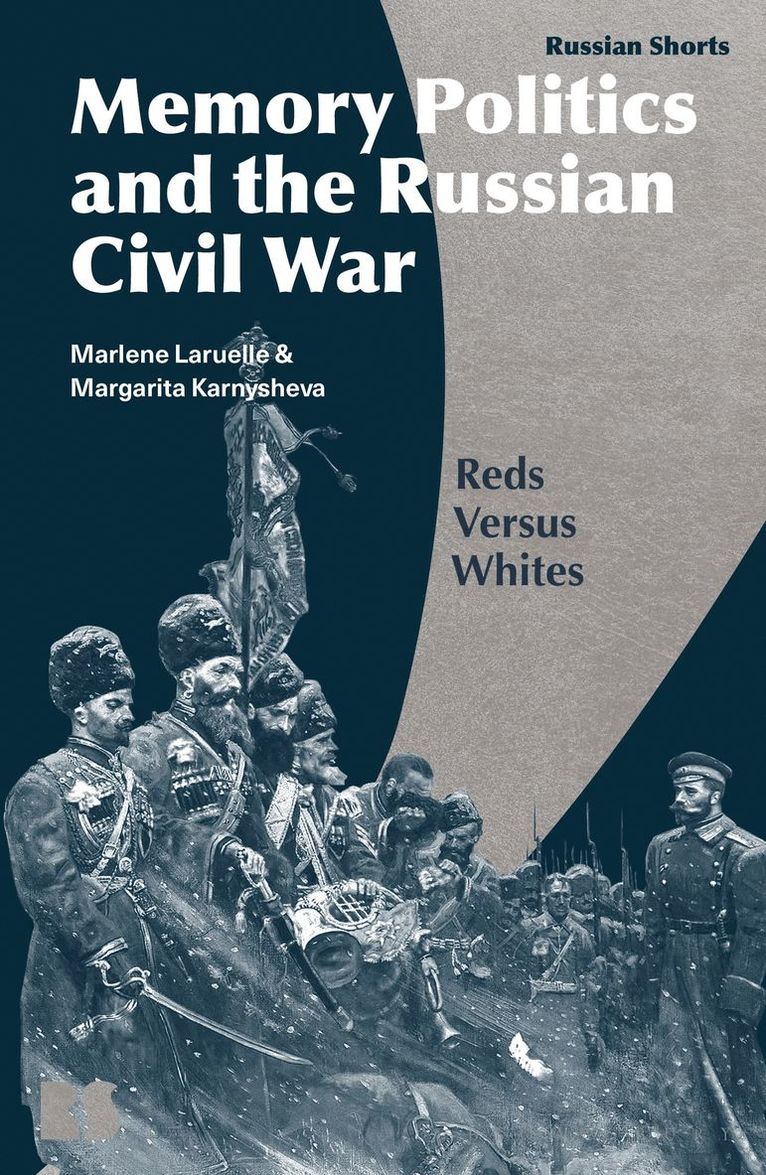
Memory Politics and the Russian Civil War
Marlene Laruelle, Margarita Karnysheva, Stephen M. Norris
Häftad, 2020
289 kr
Soviet Society in the Era of Late Socialism, 1964–1985
Neringa Klumbyte, Gulnaz Sharafutdinova
Häftad, 2014
939 kr