
Worker Protests in Post-Communist Romania and Ukraine
Striking with Tied Hands
Inbunden, Engelska, 2014
1 559 kr
Beställningsvara. Skickas inom 5-8 vardagar. Fri frakt för medlemmar vid köp för minst 249 kr.
Worker protests in post-communist Romania and Ukraine is a book about strategies of trade unions confronting employers in difficult conditions. The book’s main idea is to study why and how successful forms of workers’ interest representation could emerge in a hostile context. The post-communist context makes it difficult for workers and trade unions to mobilise, pose threats to employers, and break out of their political isolation, but even under such harsh conditions strategy matters for defending workers’ rights and living standards. The cases studied in this book are 18 conflict episodes at 10 privatised plants in the Romanian steel industry and Ukraine's civil machine-building sector in the 2000s.This book should be relevant for anyone taking interest in how and to what extent workers can reassert their influence over the conditions of production in regions and economic sectors characterised by disinvestment (of which outsourcing and ‘lean’ methods of production are instances).
Produktinformation
- Utgivningsdatum2014-07-31
- Mått156 x 234 x 14 mm
- Vikt517 g
- FormatInbunden
- SpråkEngelska
- Antal sidor240
- FörlagManchester University Press
- ISBN9780719091124
Tillhör följande kategorier
Hoppa över listan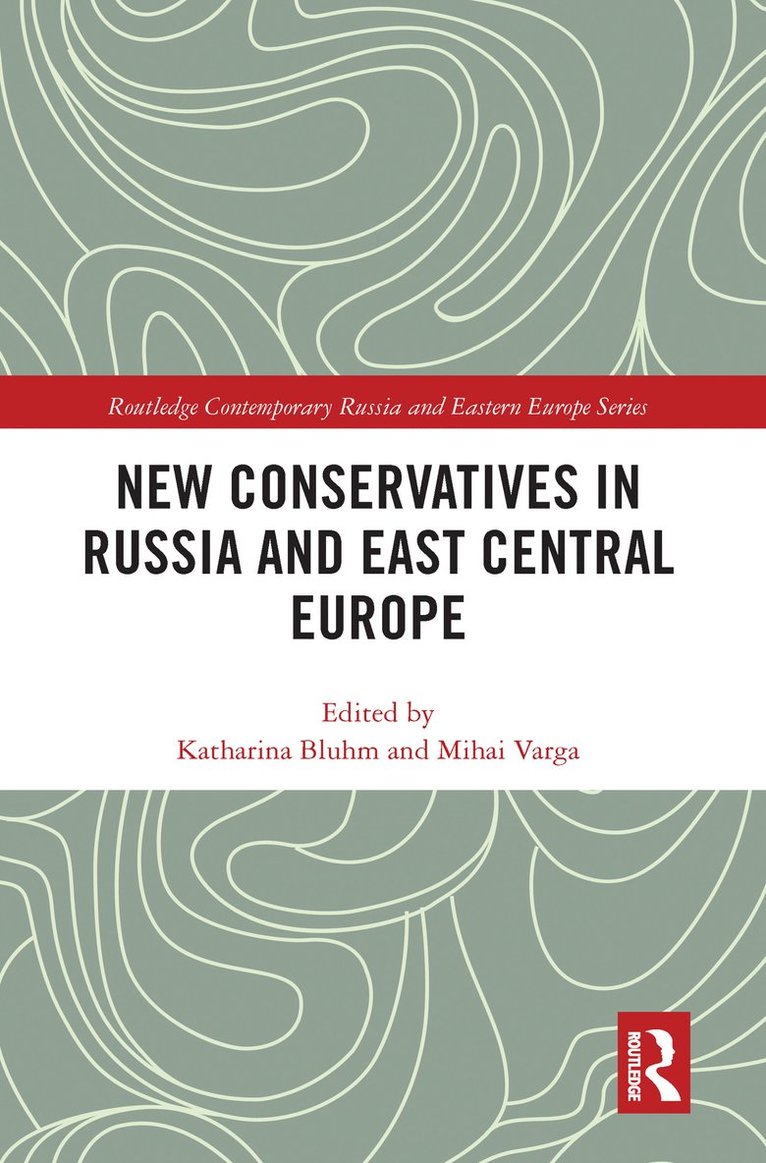


Mer från samma författare
New Conservatives in Russia and East Central Europe
Katharina Bluhm, Mihai Varga
Inbunden, 2018
3 219 kr
Hoppa över listan


Du kanske också är intresserad av
New Conservatives in Russia and East Central Europe
Katharina Bluhm, Mihai Varga
Inbunden, 2018
3 219 kr
- Nyhet
Del 3
- Nyhet
Del 11
- Nyhet
Del 6
- Nyhet
Del 4
Del 3
Del 1