
Del i serien Routledge Advances in American History
White House and White Africa
Presidential Policy Toward Rhodesia During the UDI Era, 1965-1979
Häftad, Engelska, 2020
949 kr
Beställningsvara. Skickas inom 10-15 vardagar. Fri frakt för medlemmar vid köp för minst 249 kr.
Finns i fler format (1)
This book offers an insightful analysis of presidential policy towards Rhodesia during the UDI era of 1965-1979. Michel provides an informative account of the stance adopted by the differing presidential administrations towards Salisbury and highlights the shifting alignment of the global and domestic dynamics that shaped decision-making. The book also explores the complex relationship between pragmatism and morality in formulating policy, and Michel considers intriguing questions over the competing visions within Washington of what constituted pragmatism or morality during the era of decolonization.
Produktinformation
- Utgivningsdatum2020-06-30
- Mått152 x 229 x 21 mm
- Vikt453 g
- FormatHäftad
- SpråkEngelska
- SerieRoutledge Advances in American History
- Antal sidor256
- FörlagTaylor & Francis Ltd
- ISBN9780367588526
Tillhör följande kategorier
Hoppa över listan




Mer från samma serie
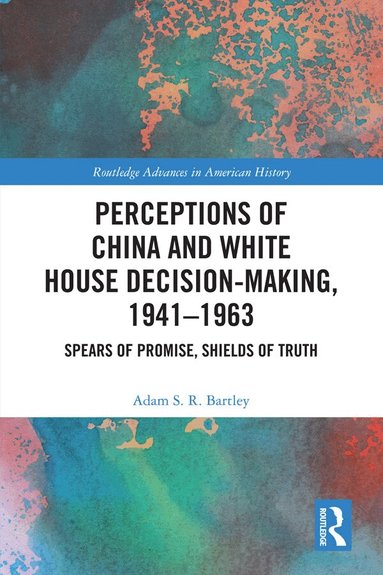
Perceptions of China and White House Decision-Making, 1941-1963
Adam S.R. Bartley
Inbunden, 2019
3 349 kr
Reagan’s “Boys” and the Children of the Greatest Generation
Jonathan M. Bullinger
Inbunden, 2019
3 379 kr
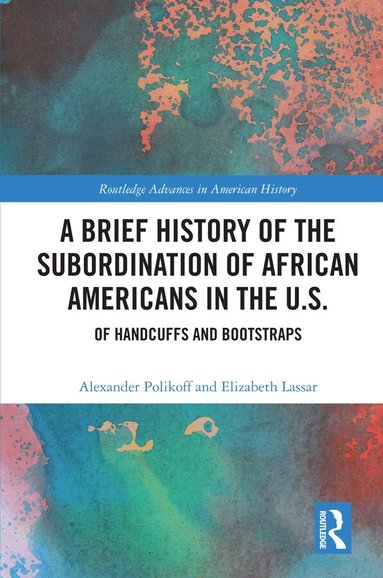
Brief History of the Subordination of African Americans in the U.S.
Alexander Polikoff, Elizabeth Lassar
Inbunden, 2020
3 379 kr
Hoppa över listan









Du kanske också är intresserad av
- Nyhet
Del 7
- Nyhet
Del 11
- Nyhet
- Nyhet
Del 4
- Nyhet
Del 6
- Nyhet
Del 3
- Nyhet
- Nyhet