
Virgin Vote
How Young Americans Made Democracy Social, Politics Personal, and Voting Popular in the Nineteenth Century
Häftad, Engelska, 2019
479 kr
Beställningsvara. Skickas inom 10-15 vardagar. Fri frakt för medlemmar vid köp för minst 249 kr.
There was a time when young people were the most passionate participants in American democracy. In the second half of the nineteenth century--as voter turnout reached unprecedented peaks--young people led the way, hollering, fighting, and flirting at massive midnight rallies. Parents trained their children to be "violent little partisans," while politicians lobbied twenty-one-year-olds for their "virgin votes"—the first ballot cast upon reaching adulthood. In schoolhouses, saloons, and squares, young men and women proved that democracy is social and politics is personal, earning their adulthood by participating in public life.Drawing on hundreds of diaries and letters of diverse young Americans--from barmaids to belles, sharecroppers to cowboys--this book explores how exuberant young people and scheming party bosses relied on each other from the 1840s to the turn of the twentieth century. It also explains why this era ended so dramatically and asks if aspects of that strange period might be useful today.In a vivid evocation of this formative but forgotten world, Jon Grinspan recalls a time when struggling young citizens found identity and maturity in democracy.
Produktinformation
- Utgivningsdatum2019-07-30
- Mått155 x 233 x 15 mm
- Vikt400 g
- FormatHäftad
- SpråkEngelska
- Antal sidor264
- FörlagThe University of North Carolina Press
- ISBN9781469654744
Tillhör följande kategorier
Hoppa över listan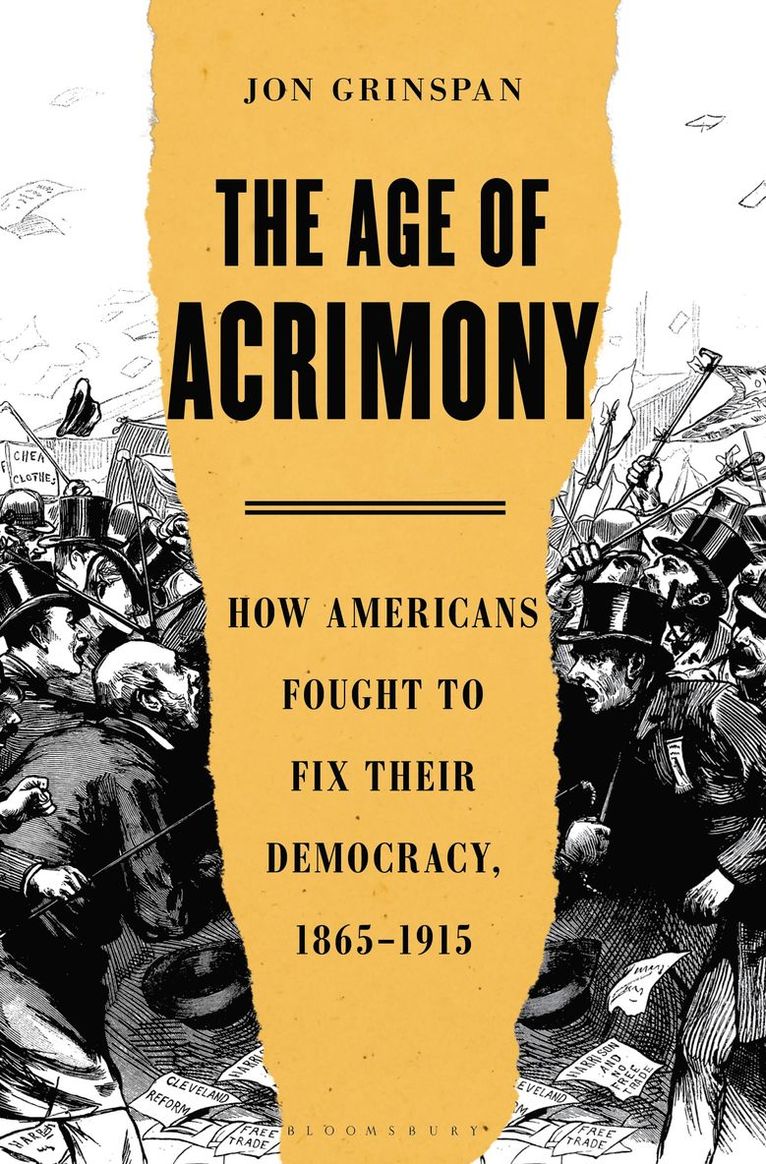
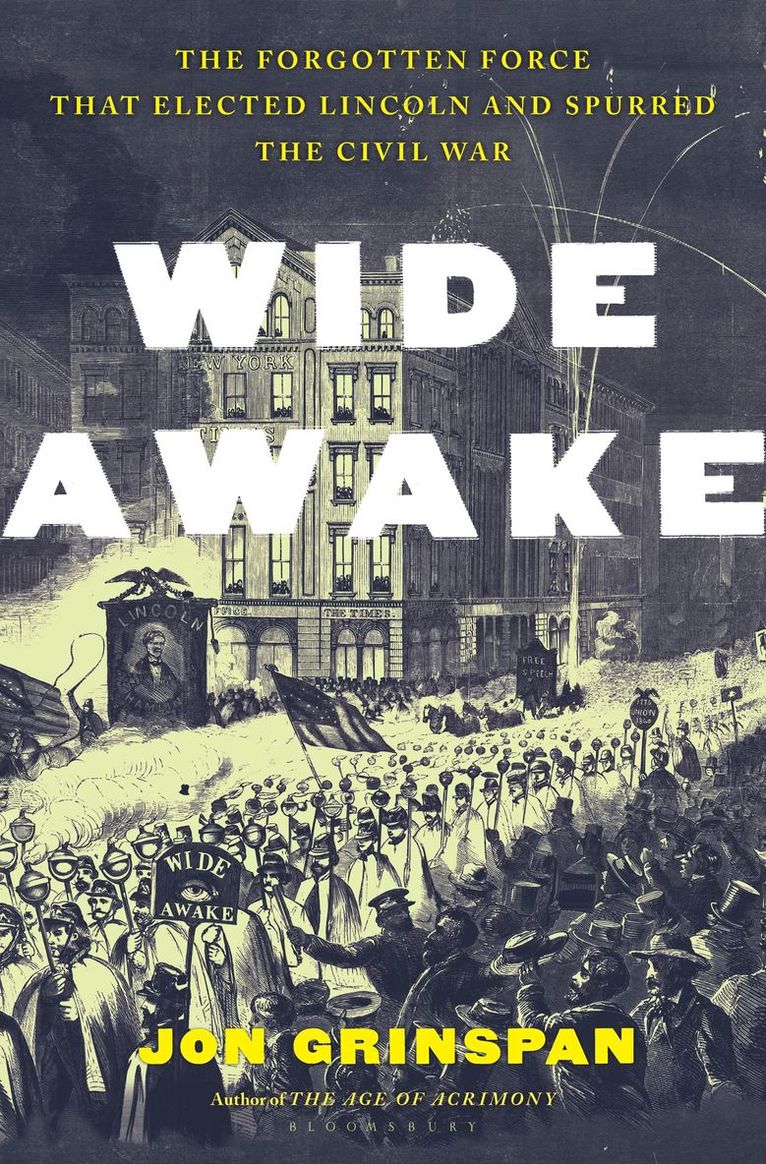

Mer från samma författare
Funny Stuff
Laura Laplaca, Anya Montiel, Eric Jentsch, Ashley M. Senske, James L. Deutsch, Kevin Strait, Ryan Lintelman, Mel Brooks, Jon Grinspan, Theodore S. Gonzalves, Ashley Olivia Mayor, John W. Troutman, Laura Laplaca, Ryan Lintelman
Inbunden, 2026
569 kr
Hoppa över listan



Du kanske också är intresserad av
Funny Stuff
Laura Laplaca, Anya Montiel, Eric Jentsch, Ashley M. Senske, James L. Deutsch, Kevin Strait, Ryan Lintelman, Mel Brooks, Jon Grinspan, Theodore S. Gonzalves, Ashley Olivia Mayor, John W. Troutman, Laura Laplaca, Ryan Lintelman
Inbunden, 2026
569 kr
- Nyhet
Del 3
- Nyhet
Del 11
- Nyhet
Del 6
- Nyhet
- Nyhet
Del 4
Del 1
Del 3