
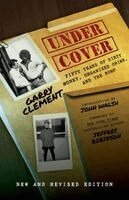
Under Cover
Fifty Years of Dirty Money, Organized Crime and the RCMP
Häftad, Engelska, 2025
339 kr
Kommande
"Garry Clement is a national treasure. He’s spent his life in service to Canada, and I guarantee he knows more about international organized crime, drug trafficking, money laundering and the state actors – China, Iran, Mexico, and Russia – who today pose a major national security threat to Canada. This book should be required reading by every politician and bureaucrat in Ottawa and everyone else who cares about the future of this country. Jeffrey Robinson, author of the New York Times bestseller, The LaundrymanUNDER COVER: The True Story of One Man’s Fight Against Canada’s Criminal Collapse – Updated EditionBy Garry ClementFormer RCMP National Director of Proceeds of Crime | Chief Compliance Officer, VersaBank“When your enemies wear suits and your allies go silent, you’re not in a system—you’re in a war.”From a frigid November night in North Gower to the inner circles of Canada’s criminal underworld, Garry Clement’s story is not just a memoir—it’s a national reckoning. In this powerful updated edition of the bestselling Under Cover, Clement adds new, harrowing chapters to a life already shaped by danger, betrayal, and unflinching integrity.As “Bobby Spade,” Garry infiltrated Vancouver’s deadliest drug syndicates. What followed wasn’t a hero’s welcome—it was exile, death threats, and systemic betrayal. When a Crown misstep led to a contract assassin being released, Clement’s life—and Canada’s justice system—was irrevocably changed.In this new edition, Garry reveals never-before-published insights into:His role as Chief Anti-Money Laundering Officer at VersaBank, and what banks are missing.The ongoing failures of FINTRAC and federal regulators to stem the flow of illicit money.The RCMP’s internal decay—exposed further by the Phantom Secure scandal and the Cameron Ortis treason case.How organized crime, foreign influence, and political cowardice have infiltrated Canada’s democratic institutions.The damning truths buried in the Sidewinder report, silenced by CSIS and ignored by Ottawa.With the precision of an investigator and the soul of a patriot, Garry Clement delivers a chilling message: Canada is wide open for corruption—and our leadership is asleep at the wheel."Picked it up and couldn’t put it down, Gary… A compelling read of your accomplished career investigating drug cartels, organized crime, money laundering in Canada & working with allies overseas… Your arguments for a structural change of the RCMP are strongly & convincingly conveyed…An important work that I hope & trust will impact the national discourse on policing roles and shine a brighter light on foreign interference in Canada… Good on ya, Sir… Ralph Maher Editor, Last Post, RCMP Veterans’ Association / Past National Vice President, The Pillar SocietyBooksellers take note: This is the kind of book readers will debate, share, and demand answers about. It’s a must-stock title for fans of real-life espionage, true crime, and political thrillers—except every word is horrifyingly real.“Under Cover is more than a story. It’s a wake-up call for a nation on the edge.”
Produktinformation
- Utgivningsdatum2025-12-23
- Mått140 x 216 x 19 mm
- Vikt350 g
- FormatHäftad
- SpråkEngelska
- Antal sidor284
- Upplaga2
- FörlagOptimum Publishing International
- MedarbetareVern White
- ISBN9780888903754
Tillhör följande kategorier
Hoppa över listan
Mer från samma författare
Under Cover, Fifty Years of Dirty Money, Organized Crime and the RCMP 2nd Edition
Garry Clement
Häftad, 2023
289 kr
Hoppa över listan






Du kanske också är intresserad av
Under Cover, Fifty Years of Dirty Money, Organized Crime and the RCMP 2nd Edition
Garry Clement
Häftad, 2023
289 kr