
Del i serien Routledge Studies in East Asian Translation
Translation and Literature in East Asia
Between Visibility and Invisibility
Inbunden, Engelska, 2019
1 319 kr
Beställningsvara. Skickas inom 10-15 vardagar. Fri frakt för medlemmar vid köp för minst 249 kr.
Finns i fler format (1)
Translation and Literature in East Asia: Between Visibility and Invisibility explores the issues involved in translation between Chinese, Japanese and Korean, as well as from these languages into European languages, with an eye to comparing the cultures of translation within East Asia and tracking some of their complex interrelationships. This book reasserts the need for a paradigm shift in translation theory that looks beyond European languages and furthers existing work in this field by encompassing a wider range of literature and scholarship in East Asia. Translation and Literature in East Asia brings together material dedicated to the theory and practice of translation between and from East Asian languages for the first time.
Produktinformation
- Utgivningsdatum2019-05-14
- Mått138 x 216 x 14 mm
- Vikt400 g
- FormatInbunden
- SpråkEngelska
- SerieRoutledge Studies in East Asian Translation
- Antal sidor120
- FörlagTaylor & Francis Inc
- ISBN9780815358275
Tillhör följande kategorier
Hoppa över listan
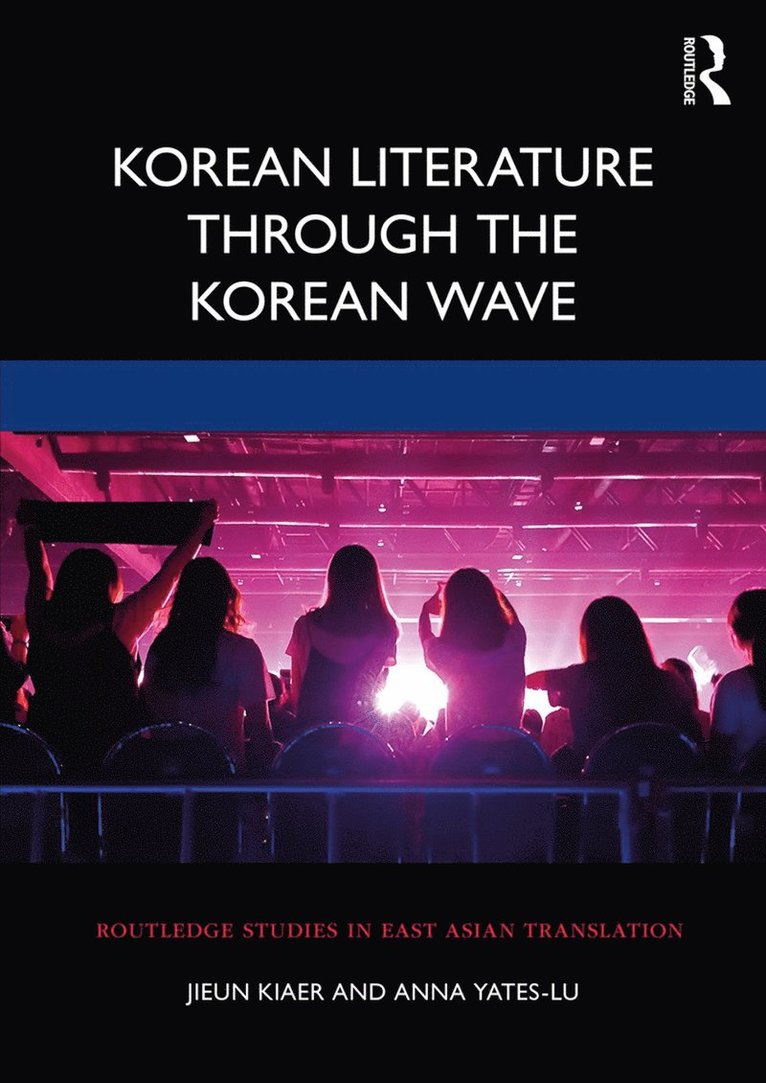
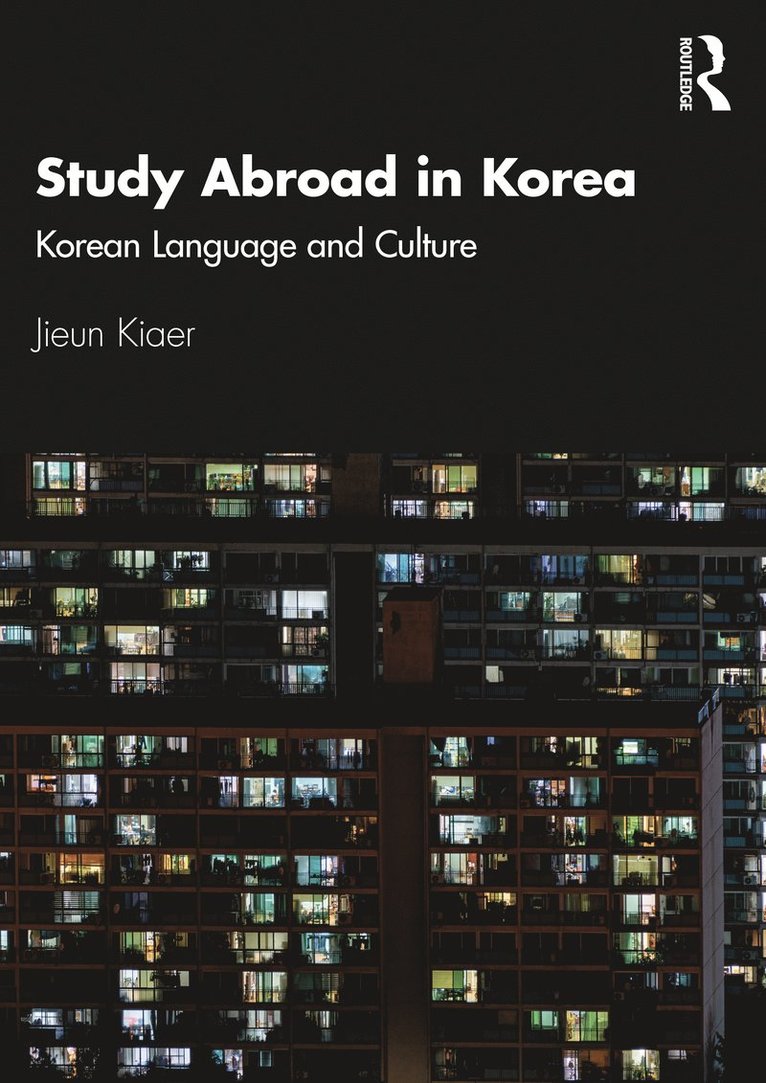
Mer från samma författare
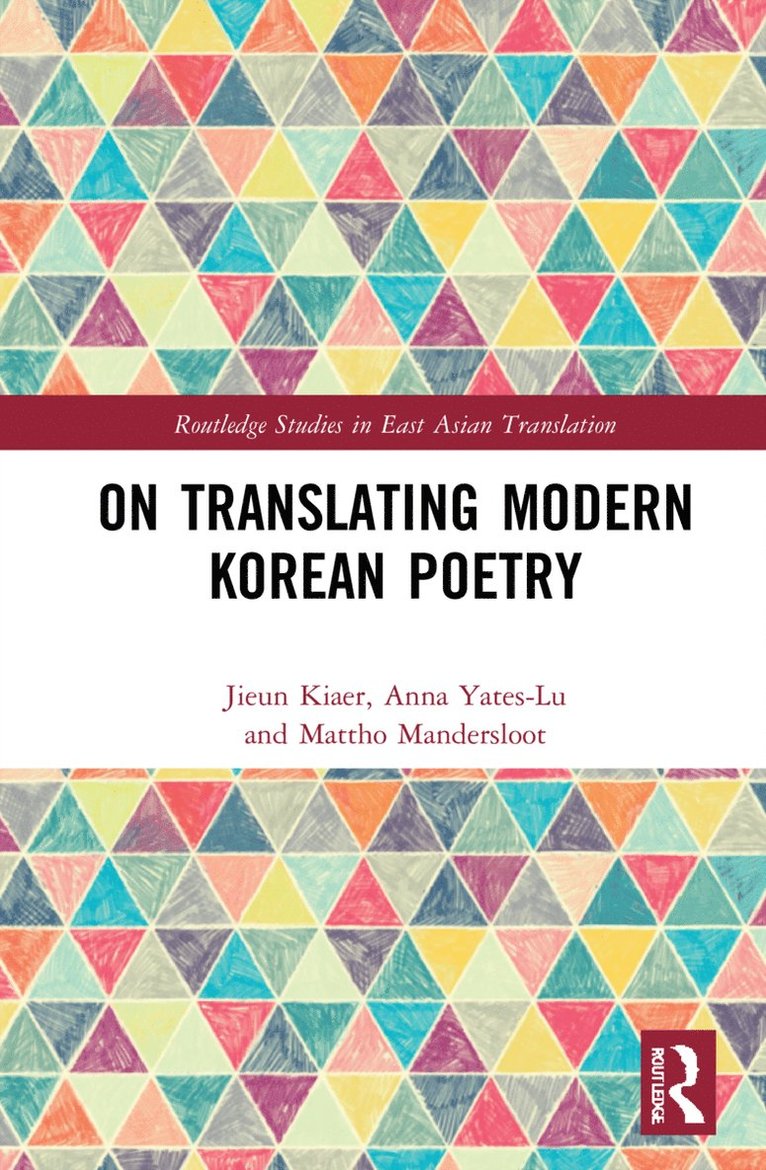
On Translating Modern Korean Poetry
Jieun Kiaer, Anna Yates-Lu, Mattho Mandersloot
Inbunden, 2021
3 699 kr
Hoppa över listan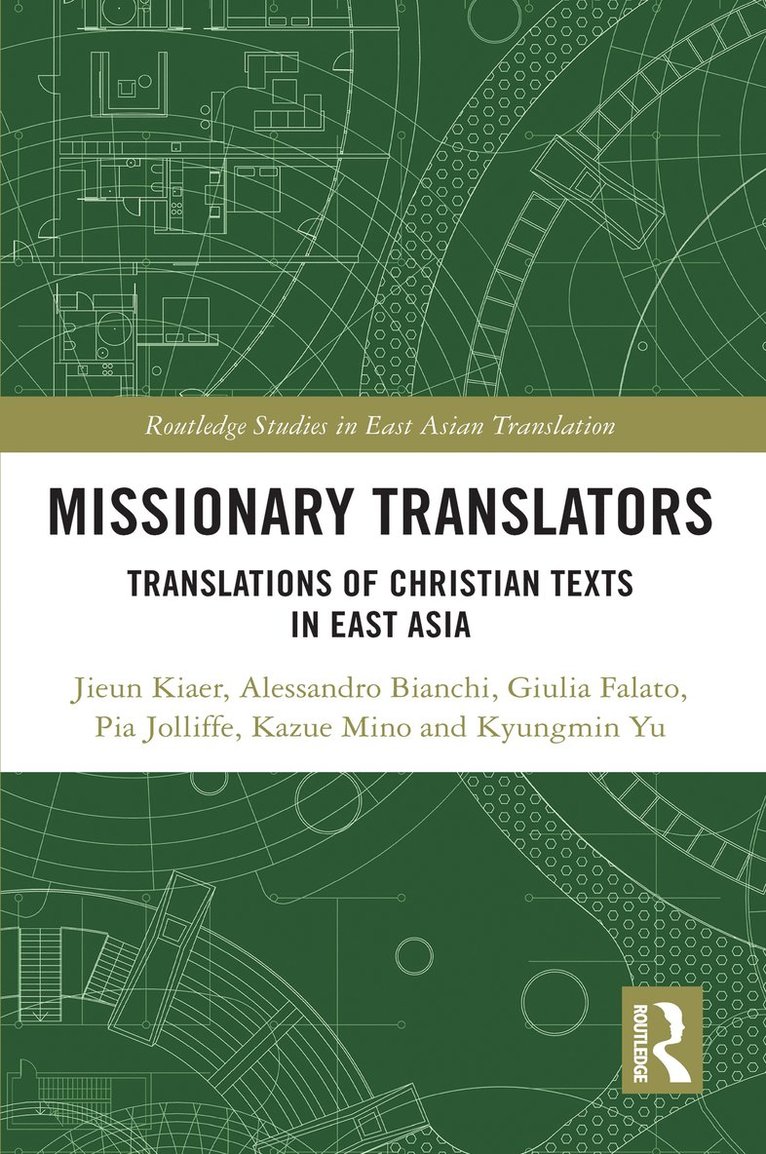
Mer från samma serie
On Translating Modern Korean Poetry
Jieun Kiaer, Anna Yates-Lu, Mattho Mandersloot
Inbunden, 2021
3 699 kr
Missionary Translators
Jieun Kiaer, Alessandro Bianchi, Giulia Falato, Pia Jolliffe, Kazue Mino, Kyungmin Yu
Inbunden, 2021
1 319 kr
Hoppa över listan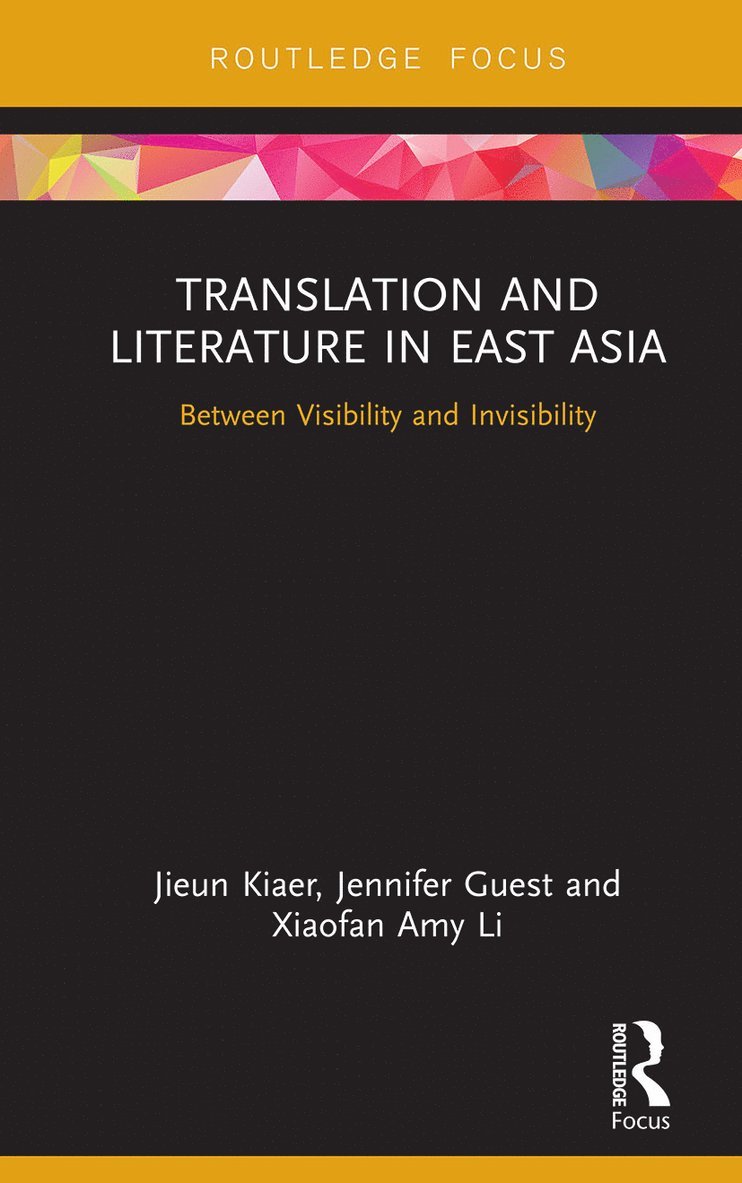







Du kanske också är intresserad av
Translation and Literature in East Asia
Jieun Kiaer, Jennifer Guest, Xiaofan Amy Li
Häftad, 2022
509 kr