
Del i serien Earthscan Studies in Water Resource Management
Transboundary Water Politics in the Developing World
Inbunden, Engelska, 2015
3 209 kr
Beställningsvara. Skickas inom 10-15 vardagar. Fri frakt för medlemmar vid köp för minst 249 kr.
Finns i fler format (1)
This book examines the political economy that governs the management of international transboundary river basins in the developing world. These shared rivers are the setting for irrigation, hydropower and flood management projects as well as water transfer schemes. Often, these projects attempt to engineer the river basin with deep political, socio-economic and environmental implications. The politics of transboundary river basin management sheds light on the challenges concerning sustainable development, water allocation and utilization between sovereign states. Advancing conceptual thinking beyond simplistic analyses of river basins in conflict or cooperation, the author proposes a new analytical framework. The Transboundary Waters Interaction NexuS (TWINS) examines the coexistence of conflict and cooperation in riparian interaction. This framework highlights the importance of power relations between basin states that determine negotiation processes and institutions of water resources management. The analysis illustrates the way river basin management is framed by powerful elite decision-makers, combined with geopolitical factors and geographical imaginations. In addition, the book explains how national development strategies and water resources demands have a significant role in shaping the intensities of conflict and cooperation at the international level. The book draws on detailed case studies from the Ganges River basin in South Asia, the Orange–Senqu River basin in Southern Africa and the Mekong River basin in Southeast Asia, providing key insights on equity and power asymmetry applicable to other basins in the developing world.
Produktinformation
- Utgivningsdatum2015-03-17
- Mått156 x 234 x 18 mm
- Vikt430 g
- FormatInbunden
- SpråkEngelska
- SerieEarthscan Studies in Water Resource Management
- Antal sidor202
- FörlagTaylor & Francis Ltd
- ISBN9780415812955
Tillhör följande kategorier
Hoppa över listan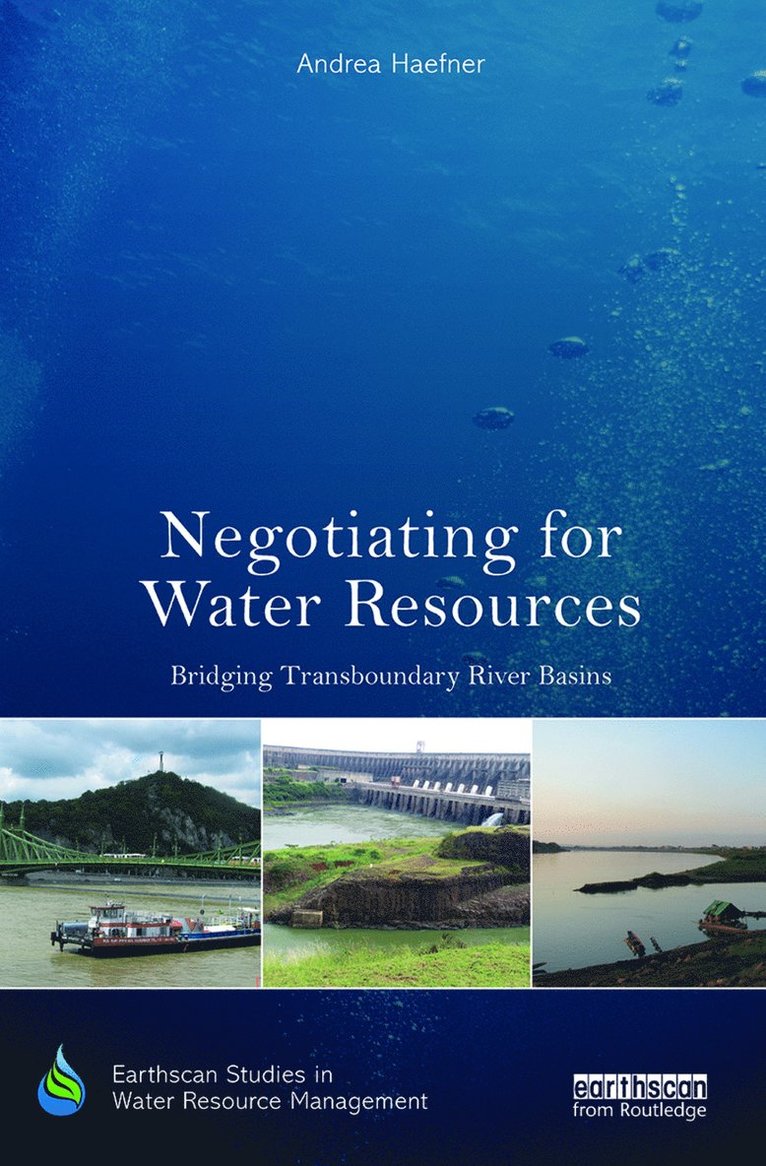
Mer från samma serie
Land and Hydropolitics in the Nile River Basin
Emil Sandstrom, Anders Jagerskog, Terje Oestigaard
Häftad, 2019
959 kr
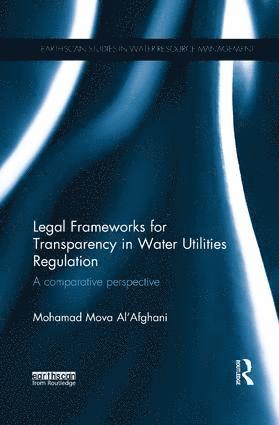
Legal Frameworks for Transparency in Water Utilities Regulation
Mohamad Mova Al'Afghani
Häftad, 2019
879 kr
Drip Irrigation for Agriculture
Jean-Philippe Venot, Marcel Kuper, Margreet Zwarteveen
Häftad, 2019
919 kr
Hoppa över listan







Du kanske också är intresserad av
- Nyhet
- Nyhet
Del 11
- Nyhet
- Nyhet
Del 3
- Nyhet
Del 6
- Nyhet
Del 1