
Del 148
Tony Fomison
Life of the Artist
Inbunden, Engelska, 2025
1 149 kr
Beställningsvara. Skickas inom 3-6 vardagar. Fri frakt för medlemmar vid köp för minst 249 kr.
‘As a boy Tony had drawn maps and diagrams and medieval battle scenes. He’d read fairy tales and been enchanted by local sites of Māori history. As a young man he was a vagrant on the streets of Paris, was twice imprisoned, spent time in a mental hospital, battled destructive addictions, and experienced unrequited love and loneliness. All of this would become the underworld of his art, the subterranean realm where he could dwell so as to create work that expressed something of the human condition. But it was always far wider than just his own story. Endlessly curious about Pacific and Māori history and art, and enchanted by European Renaissance art, he wanted to find a new visual language for what it meant to live in the Pacific; he wanted to make room at the back of our heads.’ — From the introduction by the authorIn a career spanning three decades, Tony Fomison (1939–1990) produced some of New Zealand’s most artistically and culturally significant paintings and drawings, the backdrop of which was a life – inseparable from his art – of enduring intrigue.A man of multitudes and a self-perceived outsider, Fomison was a son, sibling and lover; activist, archaeologist and scholar; trickster, addict and disrupter; and – above all else – an artist who shed light on the human condition and reimagined life in Aotearoa.In this compelling biography, developed over more than a decade, Mark Forman draws on archival material and interviews with more than 150 people including Fomison’s family and close friends, leading contemporary artists, political activists, and art professionals. The result is a comprehensive yet lively and accessible biography that reveals the man and his art to a new generation of readers.
Produktinformation
- Utgivningsdatum2025-03-13
- Mått170 x 240 x 39 mm
- Vikt1 164 g
- FormatInbunden
- SpråkEngelska
- Antal sidor472
- FörlagAuckland University Press
- ISBN9781776711277
Tillhör följande kategorier
Hoppa över listan






Du kanske också är intresserad av
Del 2
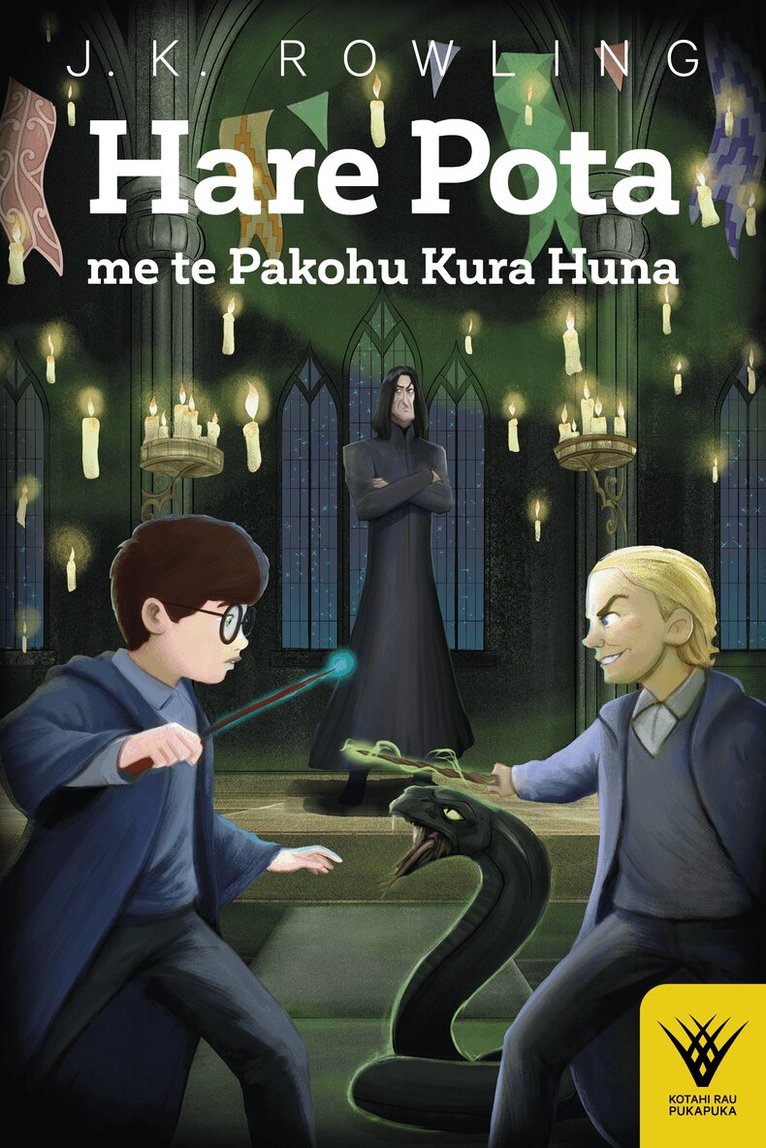
Hare Pota me te Pakohu Kura Huna: Harry Potter and the Chamber of Secrets
J.K. Rowling
Häftad, 2025
399 kr