
Del 56 i serien Liverpool English Texts and Studies
The Life and Poems of Anne Hunter
Haydn’s Tuneful Voice
Inbunden, Engelska, 2009
3 069 kr
Beställningsvara. Skickas inom 5-8 vardagar. Fri frakt för medlemmar vid köp för minst 249 kr.
Anne Home Hunter (1741-1821) was one of the most successful song writers of the second half of the eighteenth century, most famously as the poet who wrote the lyrics of many of Haydn’s songs. However her work, which included many more serious, lyrical and romantic poems has been largely forgotten. This book contains over 200 poems, some published in her life-time under her married name ‘Mrs John Hunter’, some attributed only to ‘a Lady’, and most importantly many transcribed from her manuscripts, housed in various archives and in a private collection, which are now collected for the first time. Hitherto Anne Hunter has been known almost entirely through her ‘Poems’ published in 1802, in her Introduction Isobel Armstrong argues that she saw this book as a definitive representation of her poetry. Besides her consummately skilful lyrics and songs it contains serious political odes and reflective poems. The unpublished material amplifies and extends the work of 1802. The introduction is followed by a long biographical essay by Caroline Grigson. The daughter of Robert Home, an impoverished Scottish Army surgeon, Anne Hunter spent her adult life in London where she married the famous anatomist John Hunter, with whom she lived in great style, latterly as a bluestocking hostess, until his death in 1793. The book includes many new details of her long life, her friendship with Angelica Kaufman (who painted her portrait - see cover) and the bluestocking, Elizabeth Carter. The account of Anne’s life as a widow describes her relationships with her family, her niece the playwright Joanna Baillie, and her friends, especially those of the famous Minto family, as well as the Scottish impresario George Thomson. Of especial interest is the discovery of a previously unrecorded visit that Haydn made to her during his second London visit when she was living in Blackheath. Expertly researched which Grigson’s book sets Anne Hunter’s oeuvre in the political and social context of the time and will be required reading to scholars of literature and music alike.
Produktinformation
- Utgivningsdatum2009-05-01
- Mått163 x 239 x undefined mm
- FormatInbunden
- SpråkEngelska
- SerieLiverpool English Texts and Studies
- Antal sidor256
- FörlagLiverpool University Press
- ISBN9781846311918
Tillhör följande kategorier
Hoppa över listan


Mer från samma författare
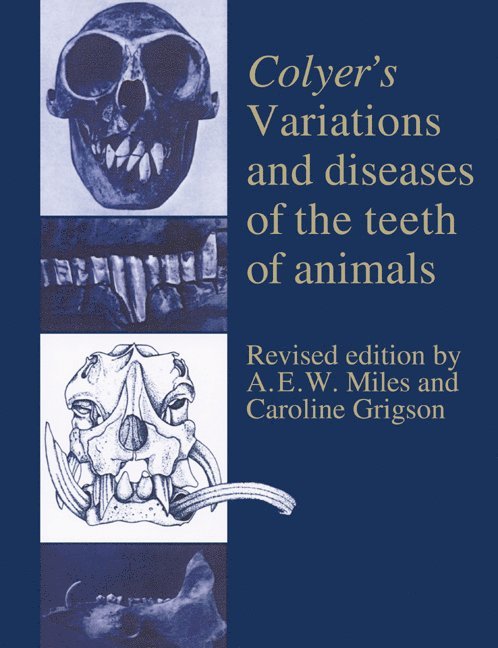
Colyer's Variations and Diseases of the Teeth of Animals
A. E. W. Miles, Caroline Grigson
Häftad, 2003
1 449 kr
Del 109
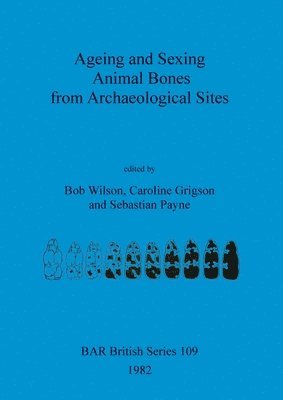
Ageing and Sexing Animal Bones from Archaeological Sites
Caroline Grigson, Sebastian Payne, Bob Wilson
Häftad, 1982
1 339 kr
Del 163
Del 183
Del 202
Hoppa över listan

Du kanske också är intresserad av
Del 109
Ageing and Sexing Animal Bones from Archaeological Sites
Caroline Grigson, Sebastian Payne, Bob Wilson
Häftad, 1982
1 339 kr
Del 163
Del 202
Del 183
Colyer's Variations and Diseases of the Teeth of Animals
A. E. W. Miles, Caroline Grigson
Häftad, 2003
1 449 kr
- Nyhet
Del 3
- Nyhet
Del 11
Del 1
- Nyhet
Del 4