
Del i serien Communication, Globalization & Cultural Identity
Technological Determinism and Social Change
Communication in a Tech-Mad World
Inbunden, Engelska, 2014
2 639 kr
Beställningsvara. Skickas inom 3-6 vardagar. Fri frakt för medlemmar vid köp för minst 249 kr.
The aim of this book is to shed new light on this theoretically and practically significant issue, and questions the role of technology and culture in social change. It challenges us to reconsider and rethink the impact of new information and communication technologies on civil society, participatory democracy and digital citizenship in theoretical and methodological contributions, through the analysis of specific cases in Australia, Bangladesh, Belgium, China, Colombia, Kenya, Netherlands and the United States. Access to information and communication technologies is a necessity, and the importance of access should not be trivialized, but a plea for digital literacy implies recognizing that access is the beginning of ICT policies and not the end of it. Digital literacy requires using the Internet and social media in socially and culturally useful ways aimed at the inclusion of everybody in the emerging information/knowledge society. Technology matters, but people matter more.
Produktinformation
- Utgivningsdatum2014-12-26
- Mått163 x 237 x 31 mm
- Vikt635 g
- FormatInbunden
- SpråkEngelska
- SerieCommunication, Globalization & Cultural Identity
- Antal sidor336
- FörlagBloomsbury Publishing Plc
- ISBN9780739191248
Tillhör följande kategorier
Hoppa över listan

Du kanske också är intresserad av
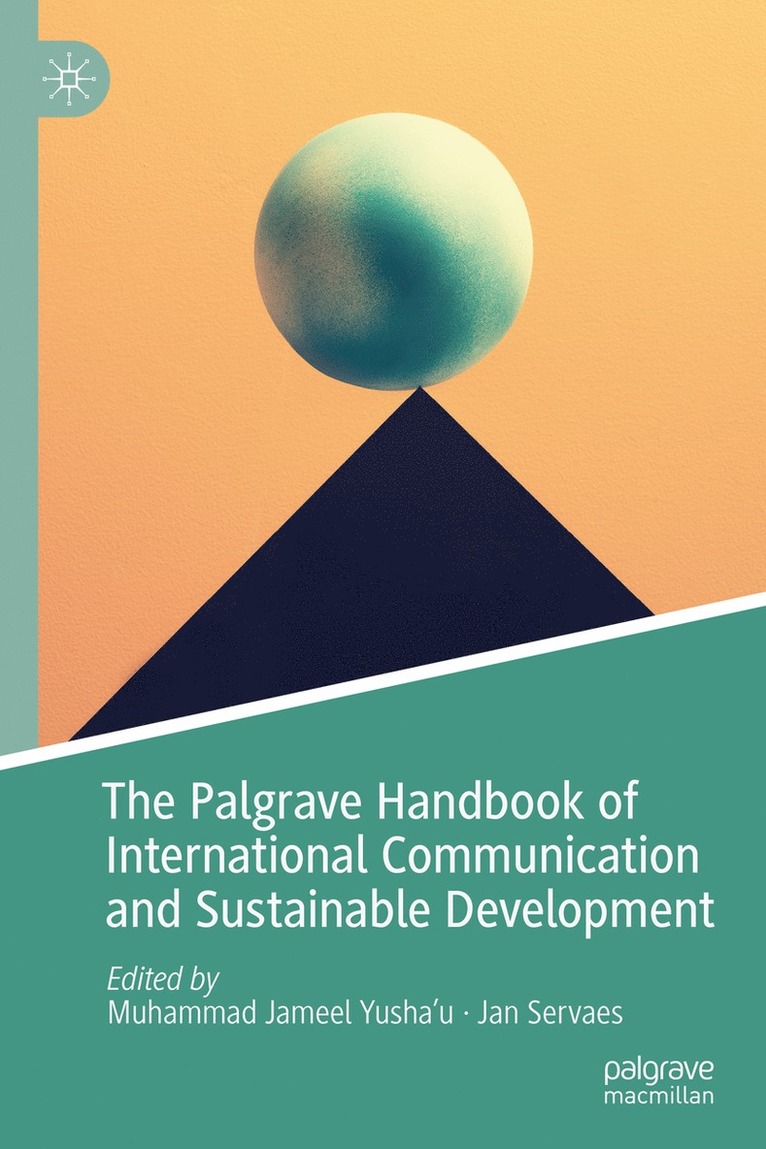
Palgrave Handbook of International Communication and Sustainable Development
Muhammad Jameel Yusha'u, Jan Servaes
Inbunden, 2021
4 719 kr