
Del 2 i serien Studies on Sufism
Sufism East and West
Mystical Islam and Cross-Cultural Exchange in the Modern World
Inbunden, Engelska, 2019
3 069 kr
Beställningsvara. Skickas inom 5-8 vardagar. Fri frakt för medlemmar vid köp för minst 249 kr.
In Sufism East and West, the contributors investigate the redirection and dynamics of Sufism in the modern era, specifically from the perspective of global cross-cultural exchange. Edited by Jamal Malik and Saeed Zarrabi-Zadeh, the book explores the role of mystical Islam in the complex interchange and fluidity in the resonance spaces of “East” and “West.”The volume challenges the enduring Orientalist binary coding of East-versus-West and argues instead for a more mutual process of cultural plaiting and shared tradition. By highlighting amendments, adaptations and expansions of Sufi semantics during the last centuries, it also questions the persistent perception of Sufism in its post-classical epoch as a corrupt imitation of the legacy of the great Sufis of the past.
Produktinformation
- Utgivningsdatum2019-04-04
- Mått155 x 235 x 24 mm
- Vikt628 g
- FormatInbunden
- SpråkEngelska
- SerieStudies on Sufism
- Antal sidor298
- FörlagBrill
- ISBN9789004393912
Tillhör följande kategorier
Hoppa över listan


Mer från samma serie
Del 1
Del 4
Del 7
Del 6
Del 8
Del 10
Del 9
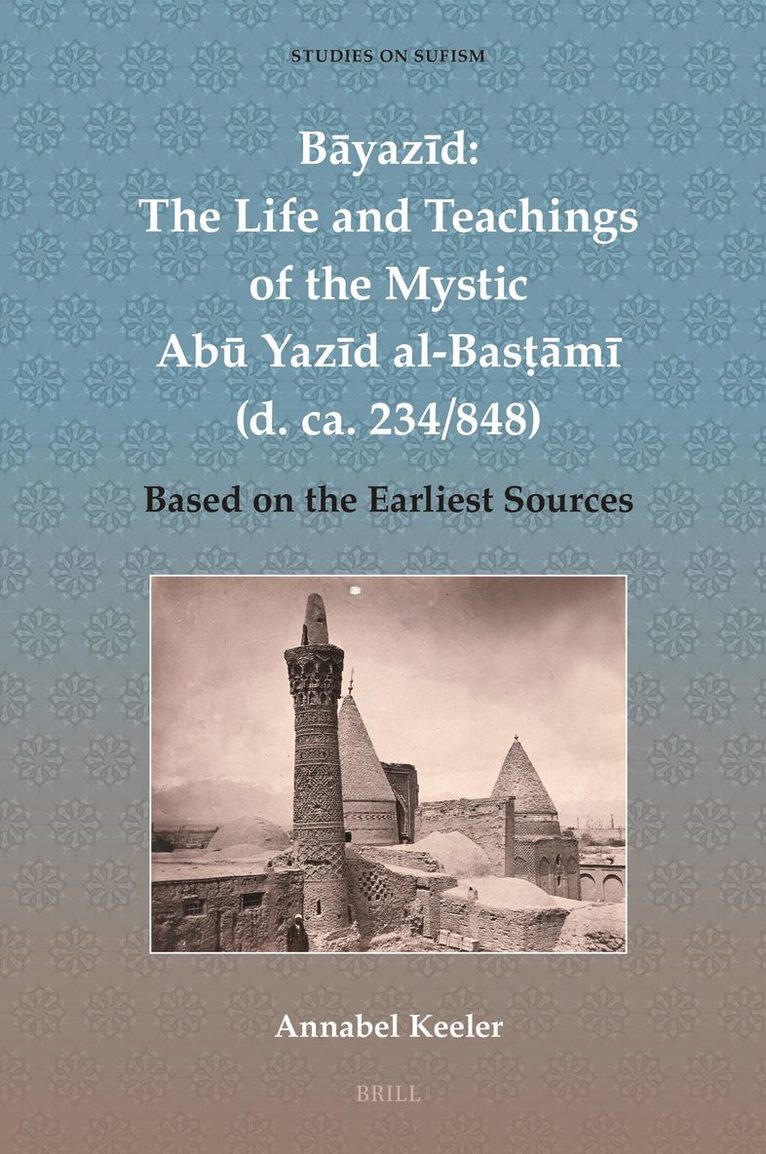
Bāyazīd: The Life and Teachings of the Mystic Abū Yazīd al-Basṭāmī (d. ca. 234/848)
Annabel Keeler
Inbunden, 2024
2 999 kr
Del 11
Hoppa över listan



Du kanske också är intresserad av
Del 130
Dynamics of Islam in the Modern World
Saeed Zarrabi-Zadeh, Armina Omerika, Thomas K. Gugler, Michael E. Asbury
Inbunden, 2022
3 629 kr
Del 37