
Soviet Heroic Poetry in Context
Folklore or Fakelore
Inbunden, Engelska, 2013
1 979 kr
Beställningsvara. Skickas inom 10-15 vardagar. Fri frakt för medlemmar vid köp för minst 249 kr.
Finns i fler format (1)
Soviet Heroic Poetry in Context discusses key issues surrounding the composition and recording of folklore as well as its often intensely political aspect and its preoccupation with chimerical cultural authority. These issues are dramatically displayed in Soviet epic compositions of the 1930s and 1940s, the so-called noviny (“new songs”), which took their formal inspiration largely from traditional Russian epic songs, byliny (“songs of the past”), and their narrative content from contemporary, political, and other events in Stalinist Russia. The story of the noviny is at once complex and comprehensible. While it may be tempting to interpret the excrescences of Stalinism as unique aberrations, the reality was often more complicated. The noviny were not simply the result of political fiat, an episode in an ideological vacuum. Their emergence occurred in part because of specific trends and controversies that marked European folklore collection and publication from at least the late eighteenth century on, as well as developments in Russian folkloristics from the mid-nineteenth century on that assumed exaggerated proportions. The demise of the noviny was equally mediated by a host of political and theoretical considerations. This study tells the story of the rise and fall of the noviny in all its cultural richness and pathos, an instructive tale of the interaction of aesthetics and ideology.
Produktinformation
- Utgivningsdatum2013-08-15
- Mått159 x 235 x 23 mm
- Vikt499 g
- FormatInbunden
- SpråkEngelska
- Antal sidor238
- FörlagBloomsbury Publishing Plc
- ISBN9781611494563
Tillhör följande kategorier
Hoppa över listan



Mer från samma författare
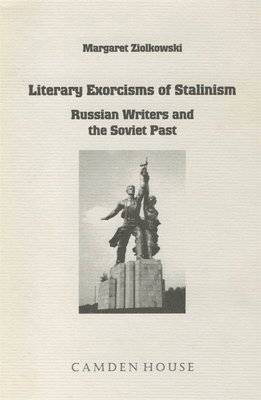
Literary Exorcisms of Stalinism: Russian Writers and the Soviet Past
Margaret Ziolkowski
Inbunden
989 kr
Hoppa över listan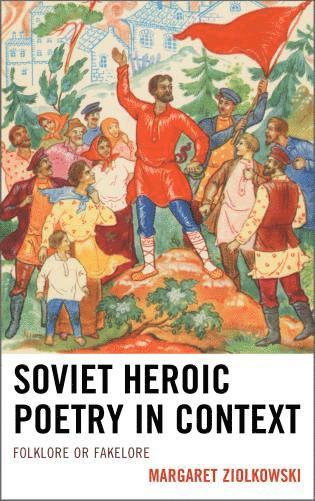

Du kanske också är intresserad av
Literary Exorcisms of Stalinism: Russian Writers and the Soviet Past
Margaret Ziolkowski
Inbunden
989 kr
- Nyhet
Del 3