
Del i serien Ecological Research Monographs
Single-Pollen Genotyping
Inbunden, Engelska, 2010
2 149 kr
Beställningsvara. Skickas inom 10-15 vardagar. Fri frakt för medlemmar vid köp för minst 249 kr.
Finns i fler format (1)
Pollination is one of the most important processes in plant reproduction. It directly influences reproductive success and fitness and the genetic structure of the plant population. Methods exist to infer the pattern and distance of pollen dispersal, but direct observation of the movements of individual pollen grains during pollination is not feasible owing to their small size. Single-pollen genotyping is a novel technique for genotyping a single pollen grain. In this book, the principles, the experimental protocol, and several applications of this method in studies of plant ecology, reproductive biology, and evolutionary genetics have been described. More specifically, the information is useful for the analysis of linkage disequilibrium, intraspecific genetic variation, chromosome mapping, and the origins of polyploidy. It is also essential for achieving sustainable and optimal crop yield and is vital to agriculture and forestry. Written by pioneer researchers, the book provides novel research approaches that are proving useful in a growing number of fields. This volume is intended to encourage new and continued applications of single-pollen genotyping among many disciplines in the future.
Produktinformation
- Utgivningsdatum2010-11-12
- Mått155 x 235 x 14 mm
- Vikt383 g
- FormatInbunden
- SpråkEngelska
- SerieEcological Research Monographs
- Antal sidor127
- Upplaga2011
- FörlagSpringer Verlag, Japan
- ISBN9784431539001
Tillhör följande kategorier
Hoppa över listan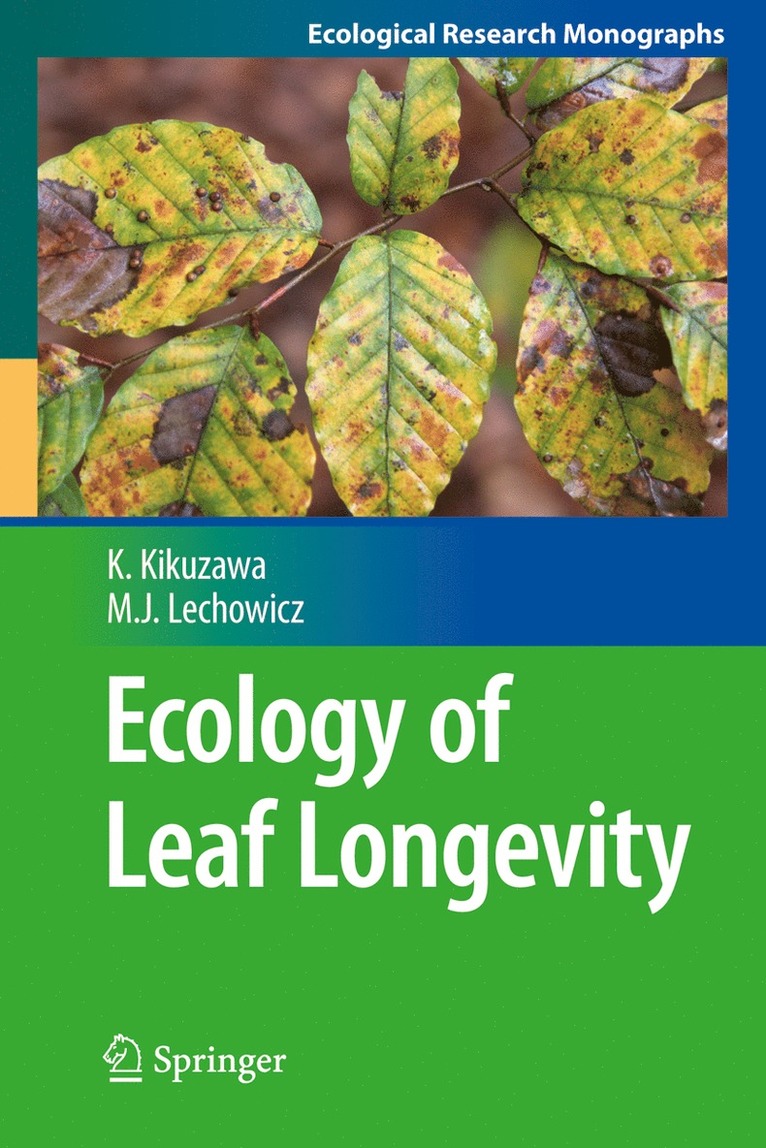
Mer från samma serie
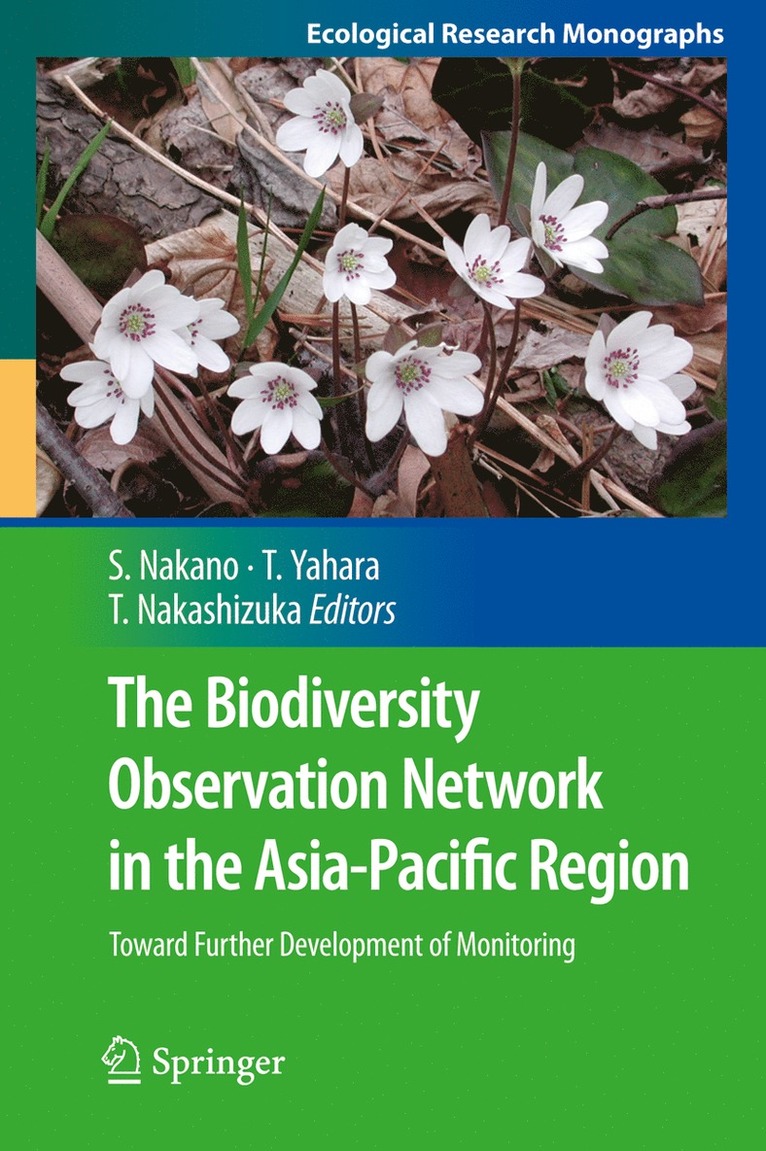
Biodiversity Observation Network in the Asia-Pacific Region
Shin-ichi Nakano, Tetsukazu Yahara, Tohru Nakashizuka
Inbunden, 2012
2 149 kr
Landscape Ecology in Asian Cultures
Sun-Kee Hong, Jianguo Wu, Jae-Eun Kim, Nobukazu Nakagoshi
Häftad, 2014
3 289 kr
Restoration and Development of the Degraded Loess Plateau, China
Atsushi Tsunekawa, Guobin Liu, Norikazu Yamanaka, Sheng Du
Inbunden, 2013
1 439 kr
Biodiversity Observation Network in the Asia-Pacific Region
Shin-ichi Nakano, Tetsukazu Yahara, Tohru Nakashizuka
Häftad, 2014
1 579 kr
Hoppa över listan







Du kanske också är intresserad av
- Nyhet
Del 3
Ecological Impacts of Tsunamis on Coastal Ecosystems
Jotaro Urabe, Tohru Nakashizuka
Häftad, 2018
2 859 kr
Sika Deer: Life History Plasticity and Management
Koichi Kaji, Hiroyuki Uno, Hayato Iijima
Inbunden, 2022
3 569 kr