
Del i serien Skills for Scholars
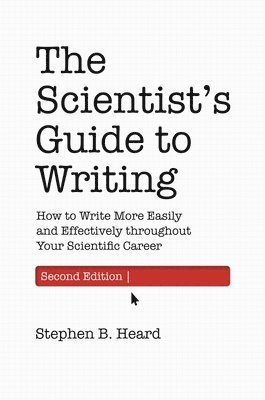
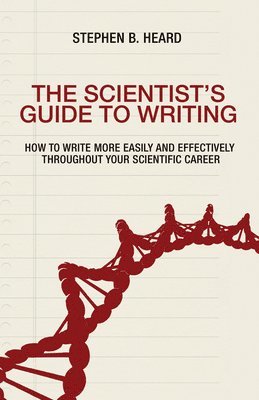
Scientist’s Guide to Writing, 3rd Edition
- Nyhet
How to Write More Easily and Effectively Throughout Your Scientific Career
Häftad, Engelska, 2026
599 kr
Beställningsvara. Skickas inom 3-6 vardagar. Fri frakt för medlemmar vid köp för minst 249 kr.
Finns i fler format (1)
A fully updated and expanded third edition of the acclaimed writing guide for scientistsThe Scientist’s Guide to Writing explains the essential techniques that students, postdocs, and early-career scientists need to write more clearly, efficiently, and easily. Now in its third edition, this incisive primer offers practical advice on a host of topics, from maintaining writing momentum to structuring a scientific paper, revising a first draft, reading effectively, handling citations, responding to peer reviews, and choosing the right journal for your research. The ability to write clearly is critical to any scientific career. This book shows scientists how to become better writers so that their ideas have the greatest possible impact.Features a new chapter on AI writing tools that discusses the benefits and pitfalls of using LLMs as well as the legal, ethical, and professional implications scientists need to consider before working with themProvides expanded coverage of preprinting and predatory journals, humor and cultural references in titles, graphical abstracts, and managing very large coauthorship teamsOffers detailed guidance on submission, review, revision, and publicationShares invaluable advice on reporting statistical results, dealing with conflicting peer reviews, writing with English as an additional language, and moreEncourages habits that improve motivation and productivityIncludes a wealth of exercises along with numerous new literature citations to support the discussions in the book
Produktinformation
- Utgivningsdatum2026-08-04
- Mått156 x 235 x 24 mm
- Vikt604 g
- FormatHäftad
- SpråkEngelska
- SerieSkills for Scholars
- Antal sidor384
- FörlagPrinceton University Press
- ISBN9780691281087
Tillhör följande kategorier
Hoppa över listan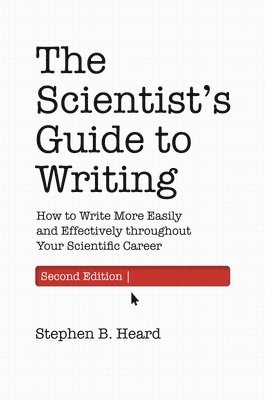

Mer från samma författare
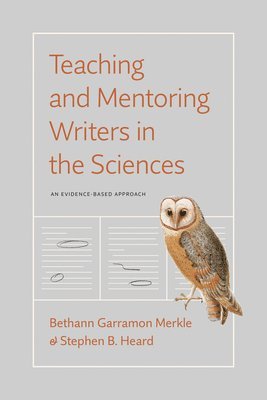
Teaching and Mentoring Writers in the Sciences
Bethann Garramon Merkle, Stephen B. Heard
Häftad, 2025
259 kr
Teaching and Mentoring Writers in the Sciences
Bethann Garramon Merkle, Stephen B. Heard
Inbunden, 2025
1 269 kr
Hoppa över listan



Du kanske också är intresserad av
Teaching and Mentoring Writers in the Sciences
Bethann Garramon Merkle, Stephen B. Heard
Häftad, 2025
259 kr
- Nyhet
Teaching and Mentoring Writers in the Sciences
Bethann Garramon Merkle, Stephen B. Heard
Inbunden, 2025
1 269 kr
- Nyhet
Del 3
- Nyhet
Del 11
- Nyhet
Del 4