
- Nyhet
Roman Comedy
Häftad, Engelska, 1986
549 kr
Beställningsvara. Skickas inom 10-15 vardagar. Fri frakt för medlemmar vid köp för minst 249 kr.
Finns i fler format (1)
This book explores the social institutions, the prevailing social values, and the ideology of the ancient city-state as revealed in Roman Comedy. "The very essence of comedy is social," writes David Konstan, "and in the complex movement of its plots we may be able to discern the lineaments and contradictions of the reigning ideas of an age."David Konstan looks closely at eight plays: Plautus's Aulularia, Asinaria, Captivi, Rudens, Cistellaria, and Truculentus, and Terence's Phormio and Hecyra. Offering new interpretations of each, he develops a "typology of plot forms" by analyzing structural features and patterns of conventional behavior in the plays, and he relates the results of his literary analysis to contemporary social conditions. He argues that the plays address tensions that were potentially disruptive to the ancient city-state, and that they tended to resolve these tensions in ways that affirmed traditional values.Roman Comedy is an innovative and challenging book that will be welcomed by students of classical literature, ancient social history, the history of the theater, and comedy as a genre.
Produktinformation
- Utgivningsdatum1986-07-03
- Mått140 x 216 x 14 mm
- Vikt454 g
- FormatHäftad
- SpråkEngelska
- Antal sidor184
- FörlagCornell University Press
- ISBN9780801493980
Tillhör följande kategorier
Hoppa över listan
Mer från samma författare
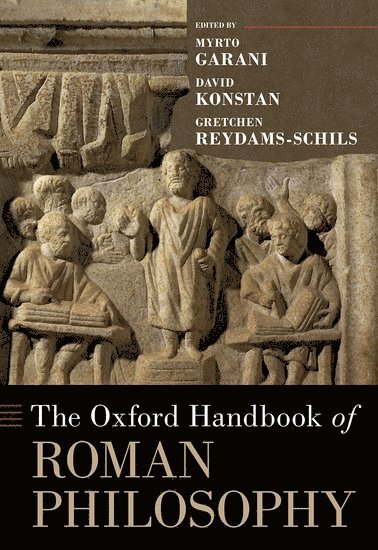
The Oxford Handbook of Roman Philosophy
Myrto Garani, David Konstan, Gretchen Reydams-Schils
Inbunden, 2023
2 809 kr
Hoppa över listan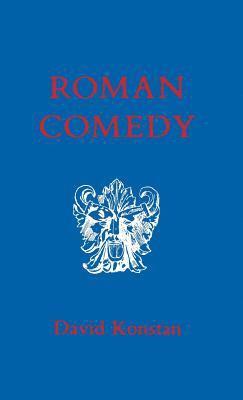



Du kanske också är intresserad av
Del 40
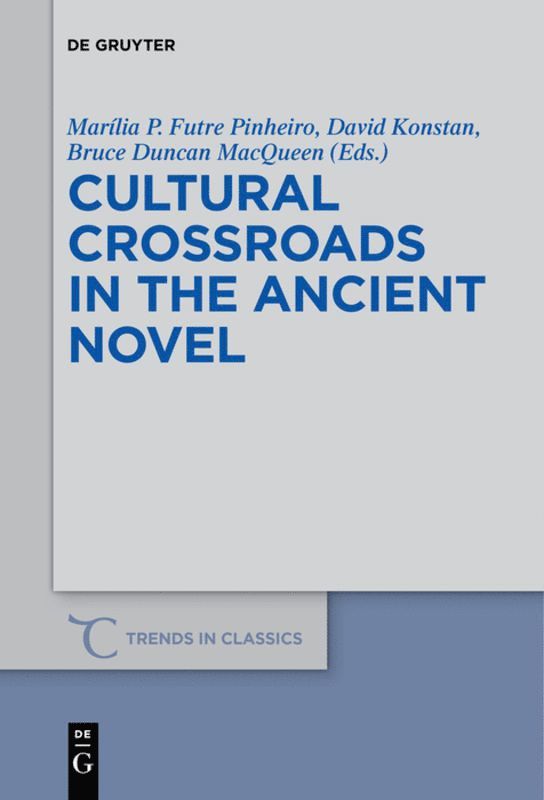
Cultural Crossroads in the Ancient Novel
Marília P. Futre Pinheiro, David Konstan, Bruce Duncan MacQueen
Inbunden, 2017
2 869 kr
Del 1
Tidal Mixing and Plankton Dynamics
Malcolm J. Bowman, Clarice M. Yentsch, William T. Peterson
Häftad, 1986
719 kr