
Del i serien Intersections
Respect Yourself, Protect Yourself
Latina Girls and Sexual Identity
Inbunden, Engelska, 2012
1 199 kr
Beställningsvara. Skickas inom 10-15 vardagar. Fri frakt för medlemmar vid köp för minst 249 kr.
Finns i fler format (1)
Exploring young Latina youth's sexual agency, education, and expressionWhile Latina girls have high teen birth rates and are at increasing risk for contracting sexually transmitted infections, their sexual lives are much more complex than the negative stereotypes of them as "helpless" or "risky" (or worse) suggest. In Respect Yourself, Protect Yourself, Lorena Garcia examines how Latina girls negotiate their emerging sexual identities and attempt to create positive sexual experiences for themselves. Through a focus on their sexual agency, Garcia demonstrates that Latina girls' experiences with sexism, racism, homophobia and socioeconomic marginality inform how they engage and begin to rework their meanings and processes of gender and sexuality, emphasizing how Latina youth themselves understand their sexuality, particularly how they conceptualize and approach sexual safety and pleasure. At a time of controversy over the appropriate role of sex education in schools, Respect Yourself, Protect Yourself, provides a rare look and an important understanding of the sexual lives of a traditionally marginalized group.
Produktinformation
- Utgivningsdatum2012-10-22
- Mått153 x 229 x 18 mm
- Vikt485 g
- FormatInbunden
- SpråkEngelska
- SerieIntersections
- Antal sidor240
- FörlagNew York University Press
- ISBN9780814733165
Tillhör följande kategorier
Hoppa över listan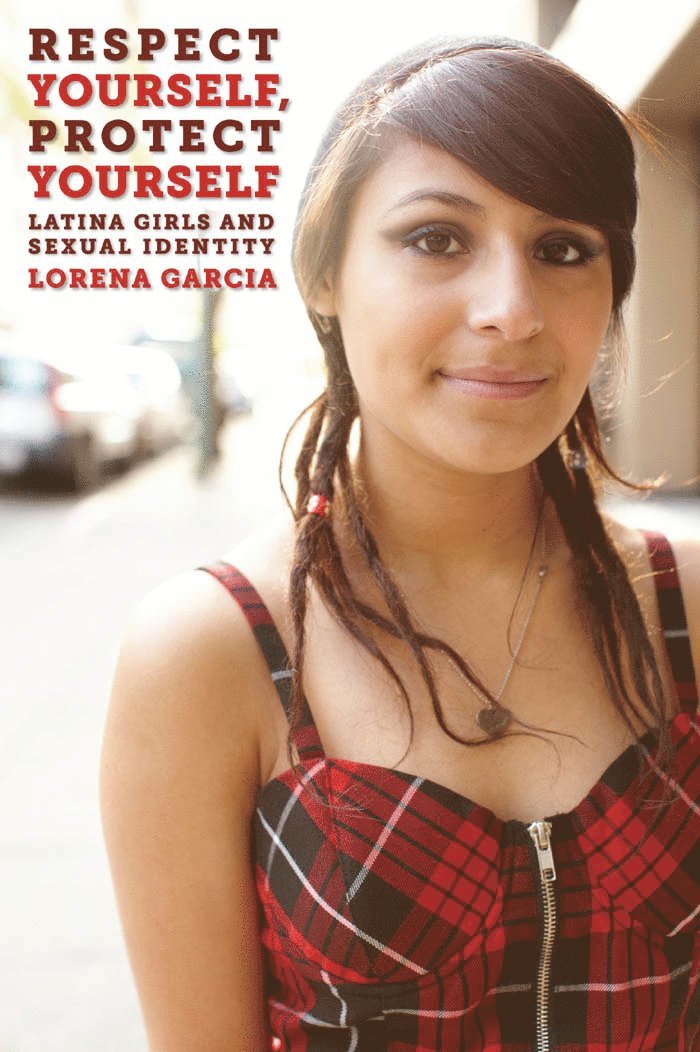








Du kanske också är intresserad av
- Nyhet
Del 3
- Nyhet
Del 11
- Nyhet
- Nyhet
Del 6
Del 1
Del 3
- Nyhet
Del 4