
Religion and Intersex
Perspectives from Science, Law, Culture, and Theology
Inbunden, Engelska, 2022
3 279 kr
Beställningsvara. Skickas inom 10-15 vardagar. Fri frakt för medlemmar vid köp för minst 249 kr.
Finns i fler format (1)
This book considers the situation of intersex people who have faced erasure in the areas of science, law, culture, and theology due to the assumption that all humans are either ‘female’ or ‘male.’ Centered in interviews conducted with German intersex Christians, this book argues that moving from a paradigm of sexual dimorphism to sexual polymorphism will help promote the full humanity and flourishing of intersex people by creating a world where intersex individuals are no longer coerced and/or forced to undergo non-consensual, medically unnecessary treatment, no longer experience human rights violations because of their lack of legal protection, no longer feel inhuman and Other due to epistemic injustice that stems from socio-cultural norms and stereotypes, are no longer told they are not made in God’s image as a result of a sexually dimorphic understanding of Genesis 1:27, and no longer feel excluded and invisible in worship services that do not recognize them.This combination of the practical and the spiritual allows for a reconsideration of the medical treatment and pastoral care that should be available to intersex people. This book will be helpful to those in the disciplines of science, law, culture, and theology, particularly those in gender and theological studies and those already in and studying for lay and ordained ministry.
Produktinformation
- Utgivningsdatum2022-08-25
- Mått156 x 234 x 18 mm
- Vikt620 g
- FormatInbunden
- SpråkEngelska
- SerieRoutledge New Critical Thinking in Religion, Theology and Biblical Studies
- Antal sidor234
- FörlagTaylor & Francis Ltd
- ISBN9780367029579
Tillhör följande kategorier
Hoppa över listan
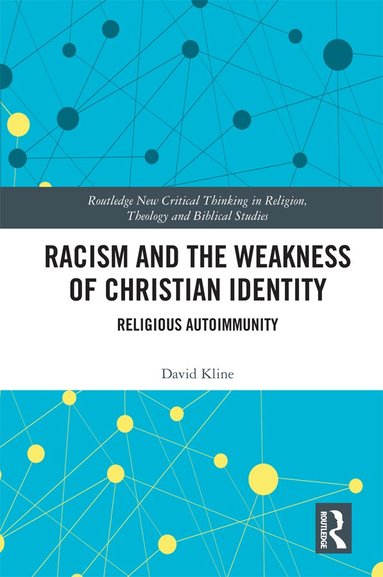
Mer från samma serie
Biblical and Theological Visions of Resilience
Christopher C. H. Cook, Nathan H. White
Inbunden, 2019
3 279 kr
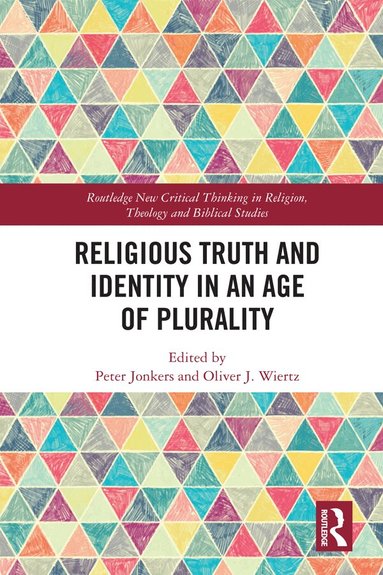
Religious Truth and Identity in an Age of Plurality
Peter Jonkers, Oliver J. Wiertz
Inbunden, 2019
3 279 kr
Hoppa över listan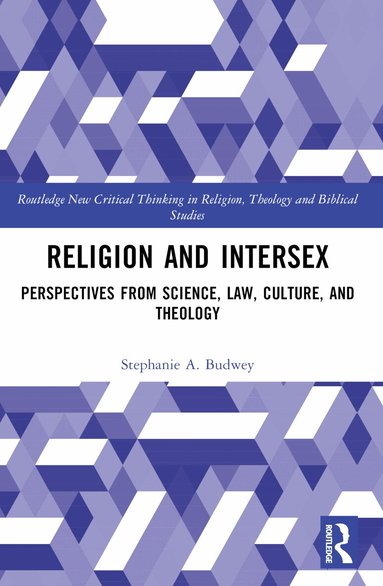







Du kanske också är intresserad av
- Nyhet
Del 7
- Nyhet
Del 4
- Nyhet
Del 6
- Nyhet
Del 3
- Nyhet
- Nyhet
Del 11
- Nyhet
- Nyhet
Del 1