
Del i serien Music in American Life
Race, Rock, and Elvis
Häftad, Engelska, 2004
379 kr
Beställningsvara. Skickas inom 5-8 vardagar. Fri frakt för medlemmar vid köp för minst 249 kr.
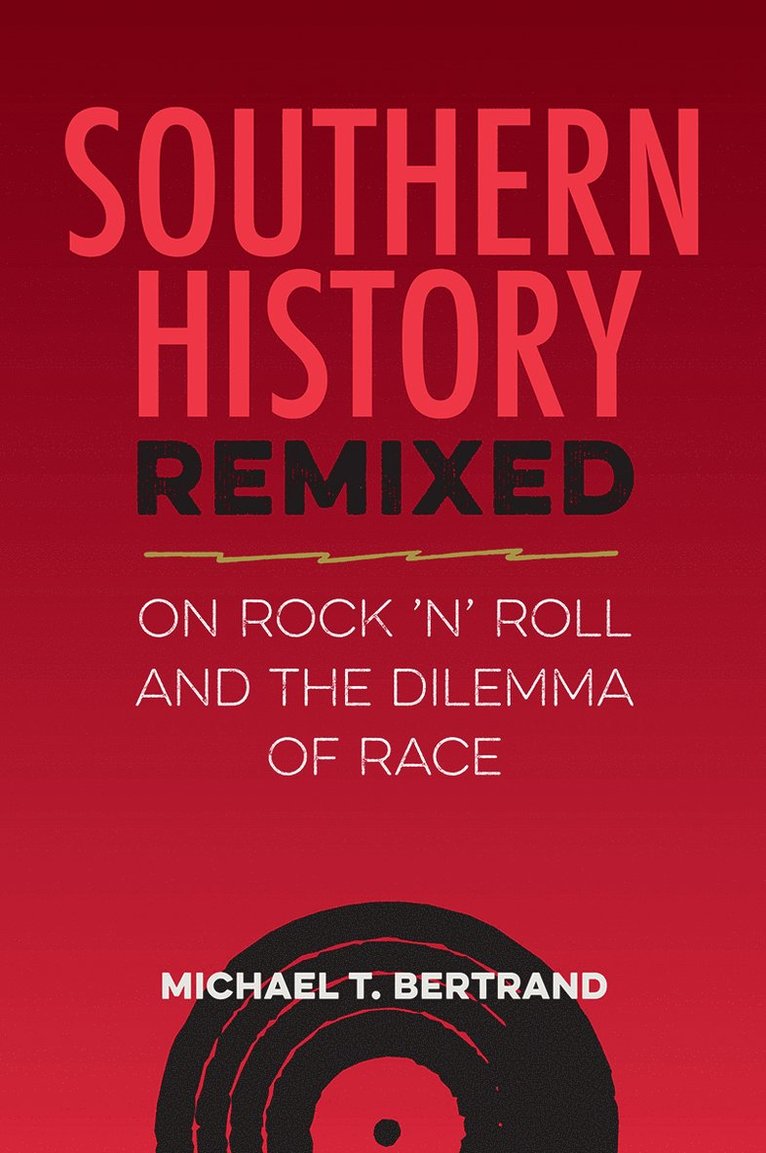
Did Elvis Presley's brand of rock 'n' roll help revise racial attitudes in postwar America? Michael T. Bertrand delves into this question and many others to investigate popular music's revolutionary influence on black-white relations in the South. Youthful fans of rhythm and blues, rock 'n' roll, and other black-inspired music often broke from their segregationist elders and ignored the color line. Not coincidentally, these same young white people--the southern branch of a national and commercialized youth culture--led a general relaxation of racist attitudes. Bertrand argues that African American music facilitated a new recognition of black people as fellow human beings. African American audiences welcomed Elvis with enthusiasm while racially mixed audiences flocked to music venues at a time when adults expected separate performances for black and white audiences. Bertrand also describes the critical role of radio and recordings in making African American culture available to white fans on an unprecedented scale. Over time, southern working-class youth used the new music to define and express new values and build their own identities.
Produktinformation
- Utgivningsdatum2004-12-22
- Mått229 x 155 x 25 mm
- Vikt420 g
- FormatHäftad
- SpråkEngelska
- SerieMusic in American Life
- Antal sidor352
- FörlagUniversity of Illinois Press
- ISBN9780252072703
- UtmärkelserWinner of <DIV>Annual Book and Essay Award, Shelby County Historical Commission (Memphis, TN), 2001.</DIV> 2001
Tillhör följande kategorier
Hoppa över listan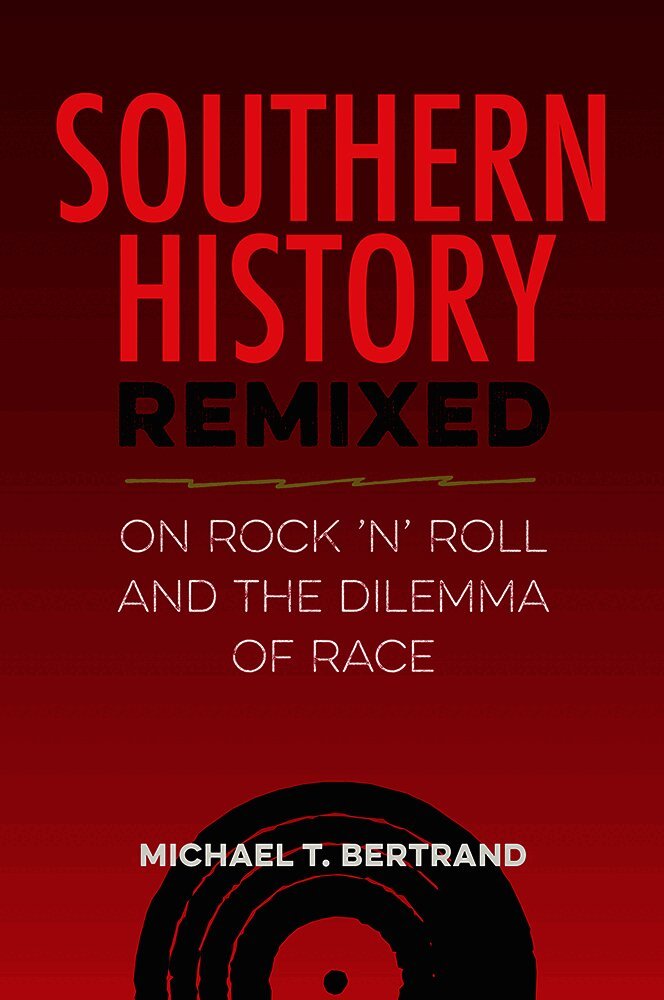








Du kanske också är intresserad av
- Nyhet
Del 11
- Nyhet
Del 3
- Nyhet
Del 4
- Nyhet
Del 3
Del 1
Del 3
Del 2
- Nyhet
Del 6