
PowerShell 7 for IT Professionals
Häftad, Engelska, 2020
499 kr
Beställningsvara. Skickas inom 5-8 vardagar. Fri frakt för medlemmar vid köp för minst 249 kr.
Take advantage of everything Microsoft’s new PowerShell 7 has to offerPowerShell 7 for IT Pros is your guide to using PowerShell 7, the open source, cross-platform version of Windows PowerShell. Windows IT professionals can begin setting up automation in PowerShell 7, which features many improvements over the early version of PowerShell Core and Windows PowerShell. PowerShell 7 users can enjoy the high level of compatibility with the Windows PowerShell modules they rely on today. This book shows IT professionals—especially Windows administrators and developers—how to use PowerShell7 to engage in their most important tasks, such as managing networking, using AD/DNS/DHCP, leveraging Azure, and more.To make it easy to learn everything PowerShell 7 has to offer, this book includes robust examples, each containing sample code so readers can follow along. Scripts are based on PowerShell 7 running on Windows 10 19H1 or later and Windows Server 2019.• Learn to navigate the PowerShell 7 administrative environment• Use PowerShell 7 to automate networking, Active Directory, Windows storage, shared data, and more• Run Windows Update, IIS, Hyper-V, and WMI and CIM cmdlets within PowerShell 7• Understand how to handle reporting in the new PowerShell 7 environmentPowerShell 7 for IT Pros provides exclusive coverage of using PowerShell with both cloud-based systems and virtualized environments (Hyper V and Azure). Written by PowerShell veteran Thomas Lee, this is the only book you’ll need to get started with PowerShell 7.
Produktinformation
- Utgivningsdatum2020-12-22
- Mått193 x 234 x 28 mm
- Vikt749 g
- FormatHäftad
- SpråkEngelska
- Antal sidor464
- FörlagJohn Wiley & Sons Inc
- ISBN9781119644729
Tillhör följande kategorier
Hoppa över listan
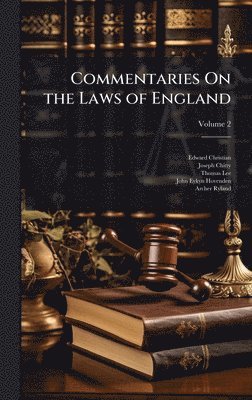
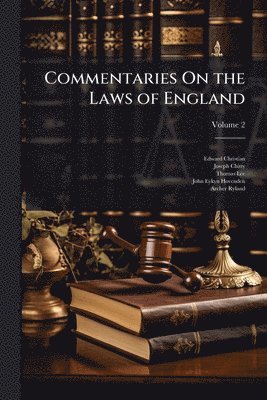



Mer från samma författare
dictionary of the practice in civil actions in the Courts of King's Bench and Common Pleas
Thomas Lee
Häftad, 2010
489 kr
Hoppa över listan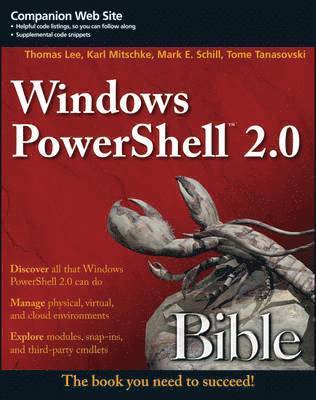



Du kanske också är intresserad av
Windows PowerShell 2.0 Bible
Thomas Lee, Karl Mitschke, Mark E. Schill, T Tanasovski
Häftad, 2011
379 kr
dictionary of the practice in civil actions in the Courts of King's Bench and Common Pleas
Thomas Lee
Häftad, 2010
489 kr
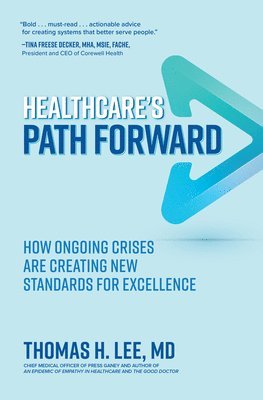
Healthcare's Path Forward: How Ongoing Crises Are Creating New Standards for Excellence
Thomas Lee
Inbunden, 2023
379 kr
dictionary of the practice in civil actions, in the Courts of King's Bench and Common Pleas
Thomas Lee
Häftad, 2010
559 kr