
Power in Action
Democracy, Citizenship and Social Justice
Inbunden, Engelska, 2019
1 549 kr
Beställningsvara. Skickas inom 5-8 vardagar. Fri frakt för medlemmar vid köp för minst 249 kr.
Finns i fler format (1)
Argues that South Africans, like everyone else, need democracy for a more equal societyWhat are democracies meant to do? And how does one know when one is a democratic state? These incisive questions and more by leading political scientist, Steven Friedman, underlie this robust enquiry into what democracy means for South Africa post 1994. Democracy is often viewed through a lens reflecting Western understanding. New democracies are compared to idealized notions by which the system is said to operate in the global North. The democracies of Western Europe and North America are understood to be the finished product and all others are assessed by how far they have progressed towards approximating this model.Power in Action persuasively argues against this stereotype. Friedman asserts that democracies can only work when every adult has an equal say in the public decisions that affect them.Democracy is achieved not by adopting idealized models derived from other societies–rather, it is the product of collective action by citizens who claim the right to be heard not only through public protest action, but also through the conscious exercise of influence on public and private power holders.Viewing democracy in this way challenges us to develop a deeper understanding of democracy's challenges and in so doing to ensure that more citizens can claim a say over more decisions in society.
Produktinformation
- Utgivningsdatum2019-03-01
- Mått152 x 229 x undefined mm
- Vikt612 g
- FormatInbunden
- SpråkEngelska
- Antal sidor336
- FörlagWits University Press
- ISBN9781776144587
Tillhör följande kategorier
Hoppa över listan

Mer från samma författare
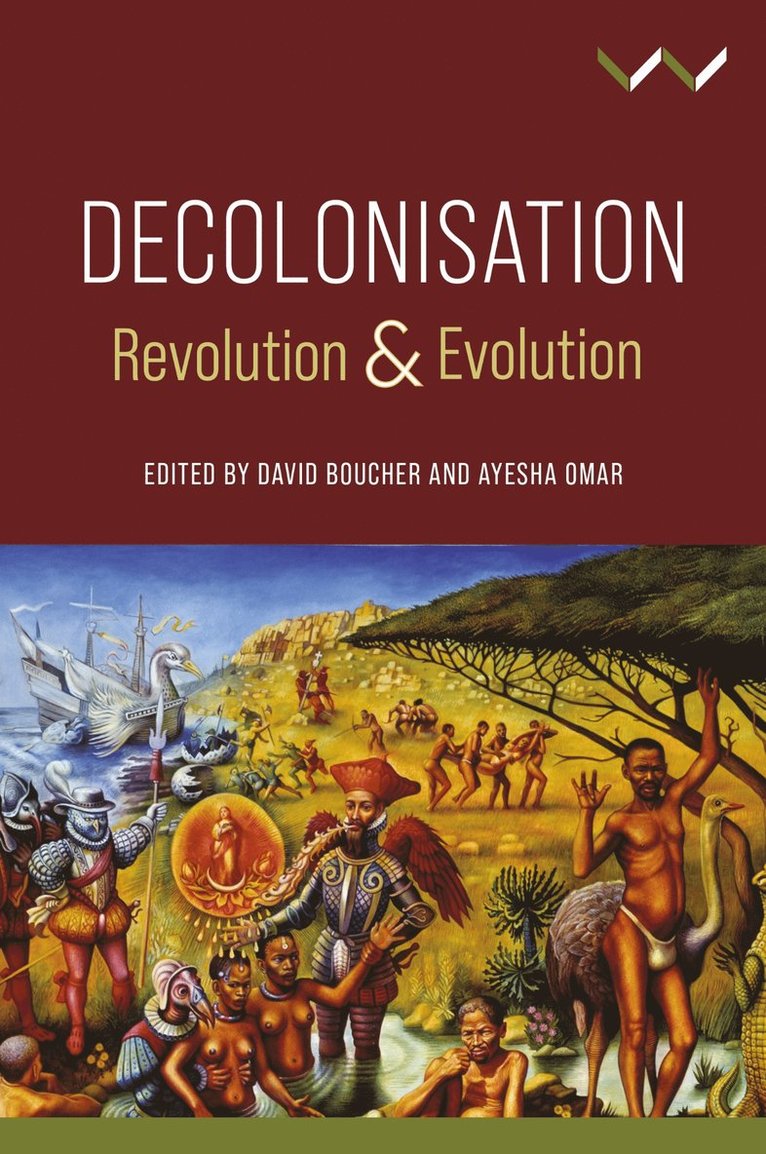
Decolonisation
David Boucher, Ayesha Omar, Christopher Allsobrook, Camilla Boisen, Ndumiso Dladla, Sule Emmanuel Egya, Michael Elliott, Steven Friedman, Amber Murrey, Paul Patton, Chris Saunders, Ian S Spears, David Boucher, Ayesha Omar
Häftad, 2023
439 kr
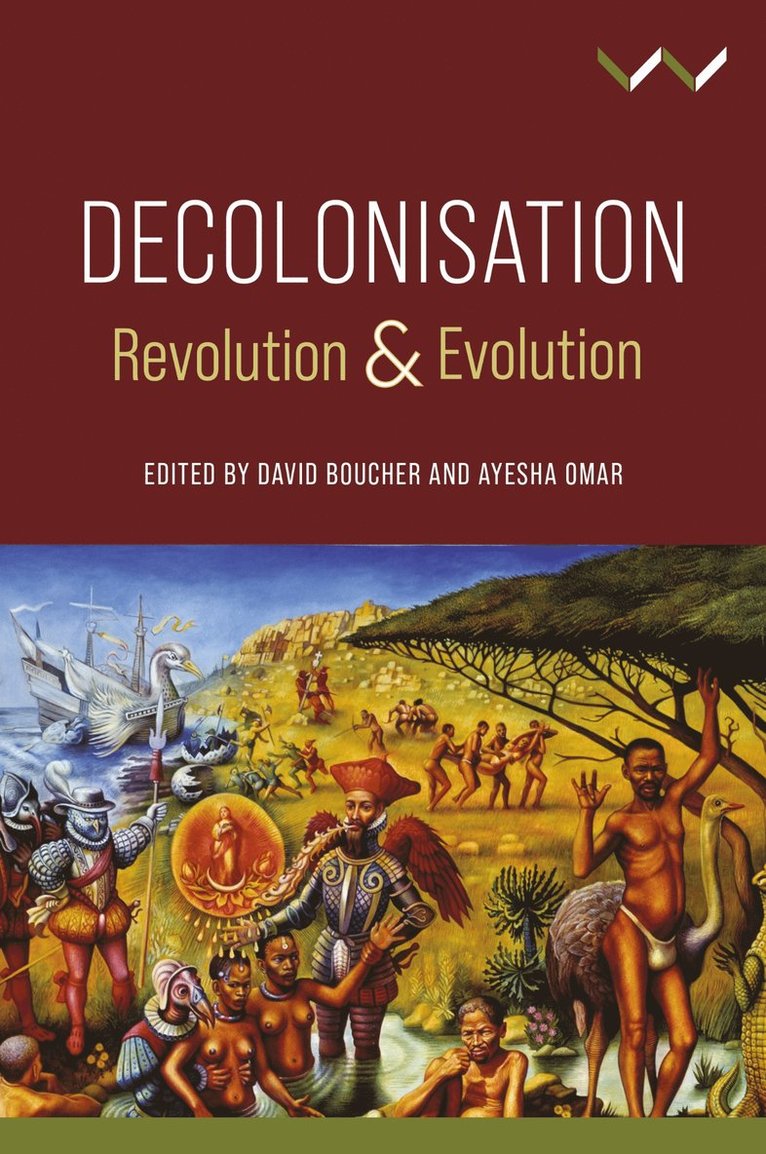
Decolonisation
David Boucher, Ayesha Omar, Christopher Allsobrook, Camilla Boisen, Ndumiso Dladla, Sule Emmanuel Egya, Michael Elliott, Steven Friedman, Amber Murrey, Paul Patton, Chris Saunders, Ian S Spears, David Boucher, Ayesha Omar
Inbunden, 2023
1 479 kr
Hoppa över listan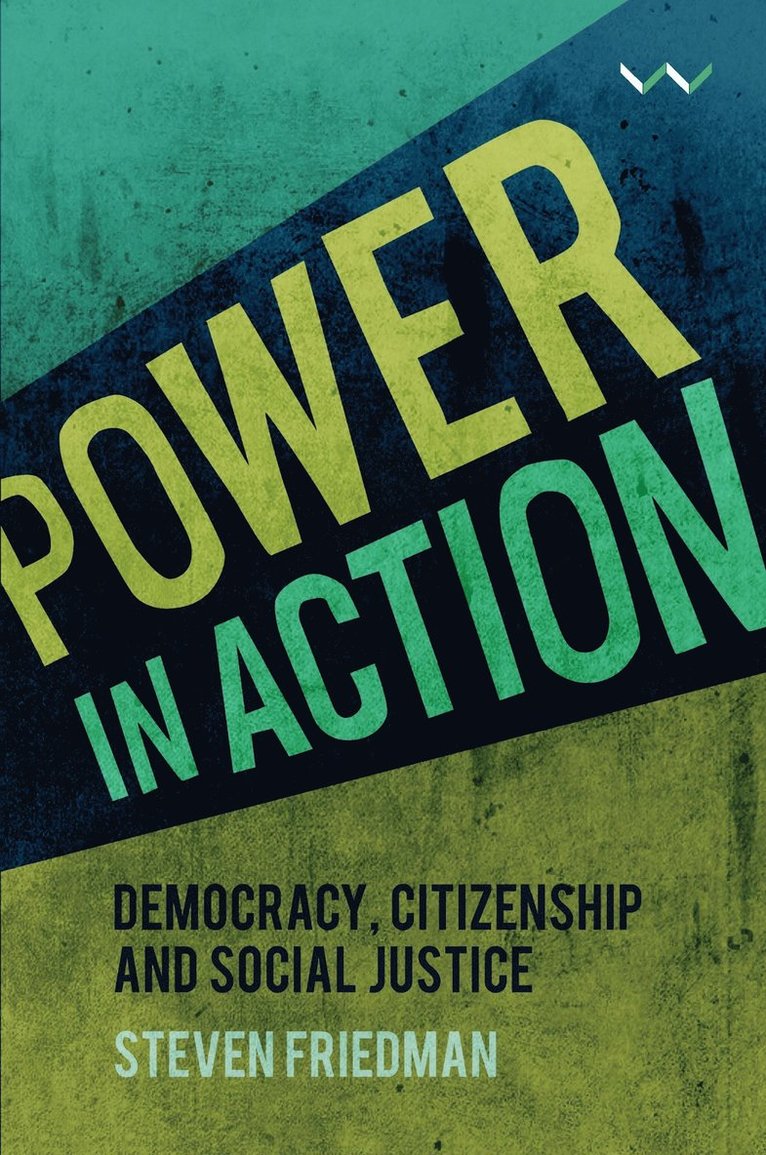
Du kanske också är intresserad av
Decolonisation
David Boucher, Ayesha Omar, Christopher Allsobrook, Camilla Boisen, Ndumiso Dladla, Sule Emmanuel Egya, Michael Elliott, Steven Friedman, Amber Murrey, Paul Patton, Chris Saunders, Ian S Spears, David Boucher, Ayesha Omar
Häftad, 2023
439 kr
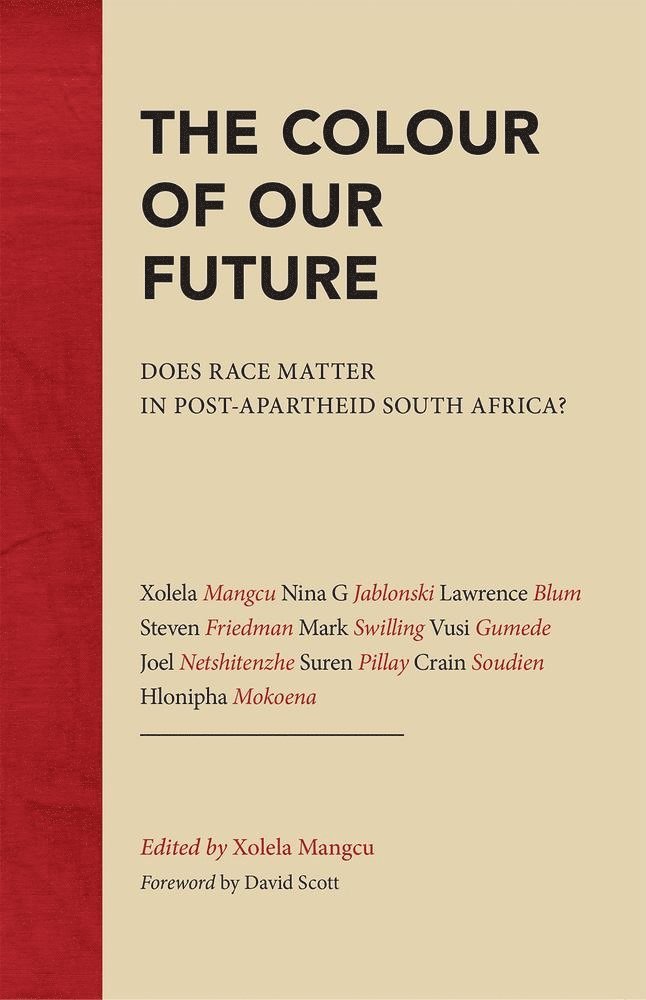
Colour of Our Future
Xolela Mangcu, Nina G Jablonski, Lawrence Blum, Steven Friedman, Mark Swilling, Vusi Gumede, Joel Netshitenzhe, Suren Pillay, Crain Soudien, Hlonipha Mokoena, Xolela Mangcu
Häftad, 2015
509 kr