
Politics of Irony in American Modernism
Inbunden, Engelska, 2013
1 099 kr
Beställningsvara. Skickas inom 5-8 vardagar. Fri frakt för medlemmar vid köp för minst 249 kr.
Shortlisted for the 2015 Modernist Studies Association Book PrizeThis book shows how American literary culture in the first half of the twentieth century saw "irony" emerge as a term to describe intersections between aesthetic and political practices. Against conventional associations of irony with political withdrawal, Stratton shows how the term circulated widely in literary and popular culture to describe politically engaged forms of writing.It is a critical commonplace to acknowledge the difficulty of defining irony before stipulating a particular definition as a stable point of departure for literary, cultural, and political analysis. This book, by contrast, is the first to derive definitions of "irony" inductively, showing how writers employed it as a keyword both before and in opposition to the institutionalization of New Criticism. It focuses on writers who not only composed ironic texts but talked about irony and satire to situate their work politically: Randolph Bourne, Benjamin De Casseres, Ellen Glasgow, John Dos Passos, Ralph Ellison, and many others.
Produktinformation
- Utgivningsdatum2013-11-01
- Mått152 x 229 x 28 mm
- Vikt517 g
- FormatInbunden
- SpråkEngelska
- Antal sidor304
- FörlagFordham University Press
- ISBN9780823255450
- UtmärkelserShort-listed for Modernist Studies Association First Book Prize 2015
Tillhör följande kategorier
Hoppa över listan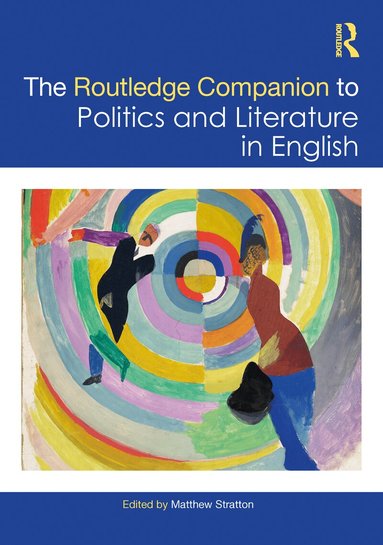

Du kanske också är intresserad av
- Nyhet
Del 3
- Nyhet
- Nyhet
Del 6
- Nyhet
Del 7
- Nyhet
Del 11
- Nyhet
Del 4
- Nyhet