
Politics in India
Consolidating Democratic Governance in the 21st Century
Häftad, Engelska, 2026
829 kr
Beställningsvara. Skickas inom 10-15 vardagar. Fri frakt för medlemmar vid köp för minst 249 kr.
Finns i fler format (1)
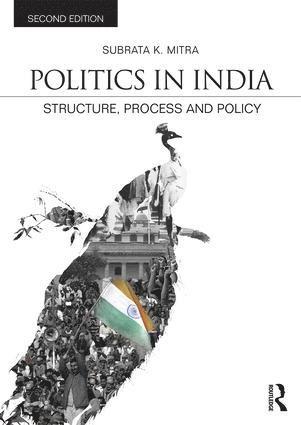
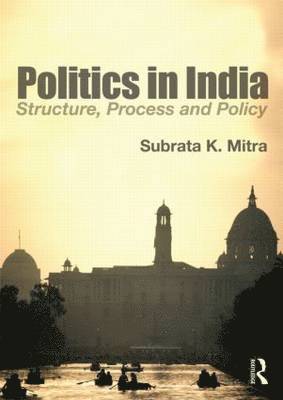
This third edition of Politics in India provides a timely counter‑narrative to pessimistic prognoses about the future of Indian democracy. It focuses on the resilience of India’s democratic political system and its strategic reorientation in response to electoral mandates emerging from the country’s vigorously competitive elections.In a comprehensive analysis of the country’s democratic processes, Mitra brings together political theory and historical perspective in order to provide a comparative analysis and interpretation of issues that have occupied the Indian state since Independence from British colonial rule in 1947. Based on the rationality of the Indian voter and the strategic acumen of the political leaders, this is the first comprehensive explanation of how India has achieved a seamless transition from colonial rule to a robust and resilient democracy. Mitra explains how India has sought to balance development with social justice, consent with force, and pursue strategic autonomy in the global arena. As a result, the book demonstrates that, despite occasional breakdown of orderly rule, the political process consistently restores dynamic equilibrium of the system. The chapters, cross‑referenced, can be read both as stand‑alone essays on specific themes, as well as parts of a single narrative.Supplemented with tables, boxes, illustrations, and comprehensive notes on further reading, the new edition will continue to be an essential reading for students and researchers in Indian and South Asian studies, introduction to political science and world politics, development studies, sociology, comparative politics, and political theory. General readers interested in how the world’s most populous democracy functions on a day‑to‑day basis may find the volume a useful introduction to Indian politics.
Produktinformation
- Utgivningsdatum2026-05-13
- Mått174 x 246 x 30 mm
- Vikt900 g
- FormatHäftad
- SpråkEngelska
- Antal sidor464
- Upplaga3
- FörlagTaylor & Francis Ltd
- ISBN9781032709222
Tillhör följande kategorier
Hoppa över listan
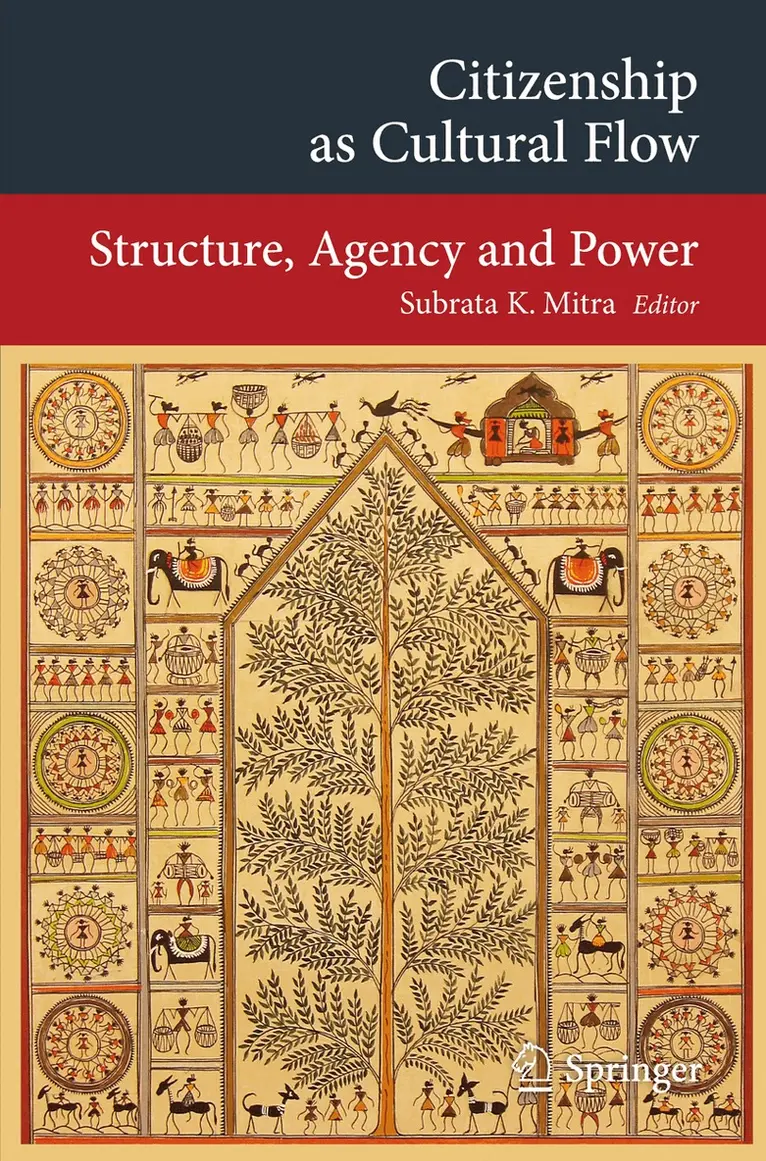

Mer från samma författare
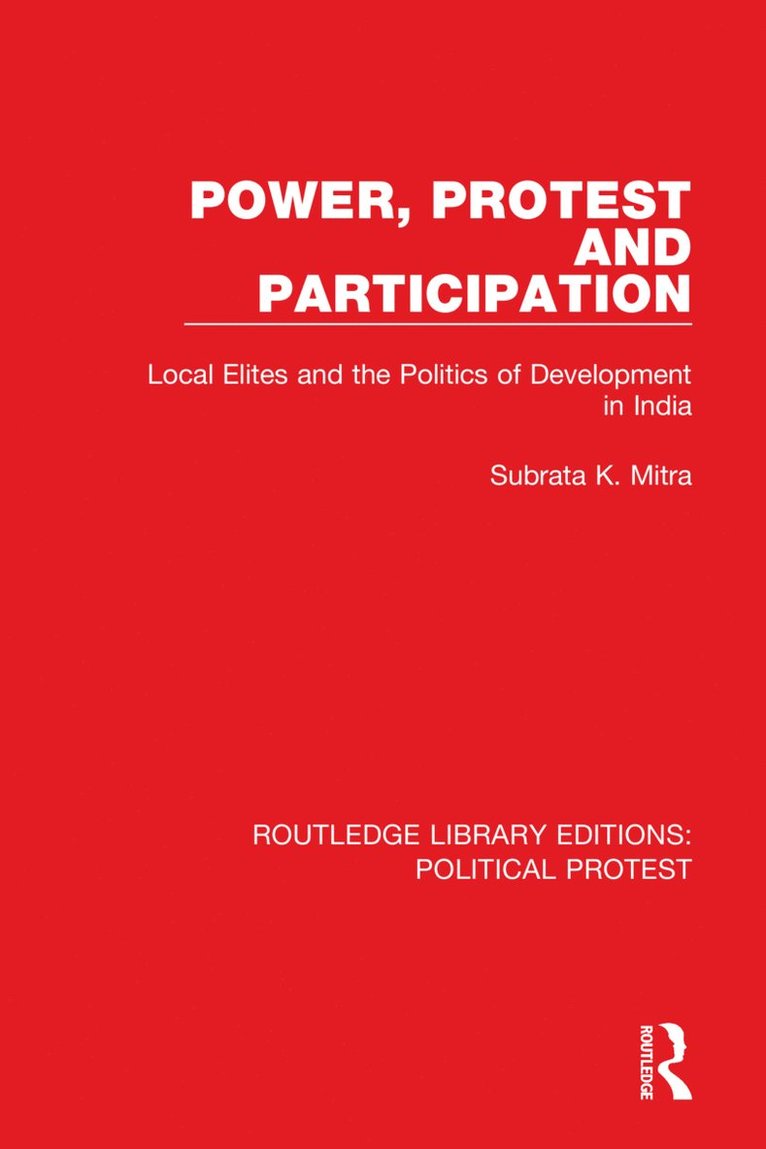
2019 Parliamentary Elections in India
Subrata K. Mitra, Rekha Saxena, Pampa Mukherjee
Inbunden, 2022
3 199 kr
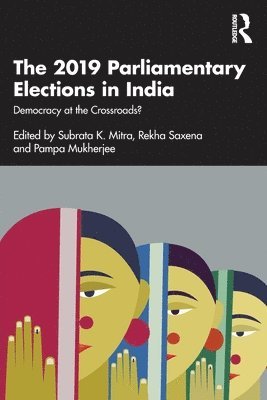
2019 Parliamentary Elections in India
Subrata K. Mitra, Rekha Saxena, Pampa Mukherjee
Häftad, 2022
809 kr
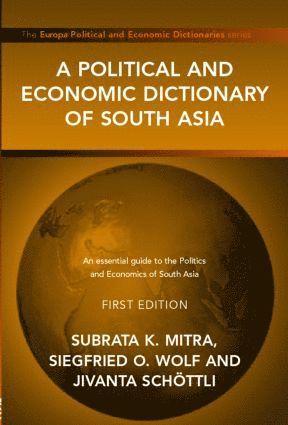
Political and Economic Dictionary of South Asia
Jivanta Schottli, Subrata K. Mitra, Siegried Wolf
Inbunden, 2006
3 909 kr
Organizational Crime
Markus Pohlmann, Gerhard Dannecker, Dieter Dölling, Dieter Hermann, Kristina Höly, Maria Eugenia Trombini, Subrata K. Mitra
Häftad, 2023
1 449 kr
Hoppa över listan
Du kanske också är intresserad av
Organizational Crime
Markus Pohlmann, Gerhard Dannecker, Dieter Dölling, Dieter Hermann, Kristina Höly, Maria Eugenia Trombini, Subrata K. Mitra
Häftad, 2023
1 449 kr
2019 Parliamentary Elections in India
Subrata K. Mitra, Rekha Saxena, Pampa Mukherjee
Häftad, 2022
809 kr
2019 Parliamentary Elections in India
Subrata K. Mitra, Rekha Saxena, Pampa Mukherjee
Inbunden, 2022
3 199 kr
Political and Economic Dictionary of South Asia
Jivanta Schottli, Subrata K. Mitra, Siegried Wolf
Inbunden, 2006
3 909 kr