
Planning Sustainable Cities and Regions
Towards More Equitable Development
Häftad, Engelska, 2015
1 169 kr
Beställningsvara. Skickas inom 10-15 vardagar. Fri frakt för medlemmar vid köp för minst 249 kr.
Finns i fler format (1)
As global warming advances, regions around the world are engaging in revolutionary sustainability planning - but with social equity as an afterthought. California is at the cutting edge of this movement, not only because its regulations actively reduce greenhouse gas emissions, but also because its pioneering environmental regulation, market innovation, and Left Coast politics show how to blend the "three Es" of sustainability--environment, economy, and equity. Planning Sustainable Cities and Regions is the first book to explain what this grand experiment tells us about the most just path moving forward for cities and regions across the globe. The book offers chapters about neighbourhoods, the economy, and poverty, using stories from practice to help solve puzzles posed by academic research. Based on the most recent demographic and economic trends, it overturns conventional ideas about how to build more livable places and vibrant economies that offer opportunity to all. This thought-provoking book provides a framework to deal with the new inequities created by the movement for more livable - and expensive - cities, so that our best plans for sustainability are promoting more equitable development as well.This book will appeal to students of urban studies, urban planning and sustainability as well as policymakers, planning practitioners, and sustainability advocates around the world.
Produktinformation
- Utgivningsdatum2015-09-04
- Mått156 x 234 x 22 mm
- Vikt500 g
- FormatHäftad
- SpråkEngelska
- SerieRoutledge Equity, Justice and the Sustainable City series
- Antal sidor322
- FörlagTaylor & Francis Ltd
- ISBN9781138956643
Tillhör följande kategorier
Hoppa över listan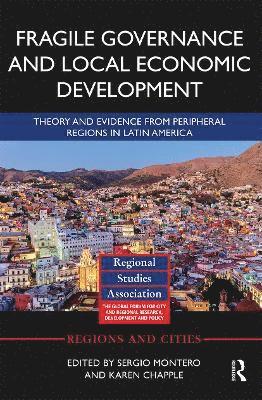
Mer från samma författare
Fragile Governance and Local Economic Development
Sergio Montero, Karen Chapple
Inbunden, 2018
3 309 kr
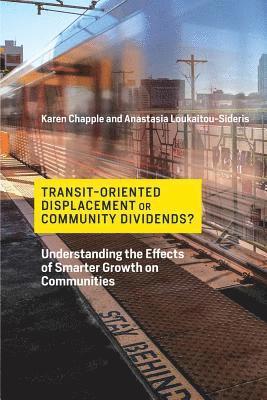
Transit-Oriented Displacement or Community Dividends?
Karen Chapple, Anastasia Loukaitou-Sideris
Inbunden, 2019
1 219 kr
Transit-Oriented Displacement or Community Dividends?
Karen Chapple, Anastasia Loukaitou-Sideris
Häftad, 2019
479 kr
Hoppa över listan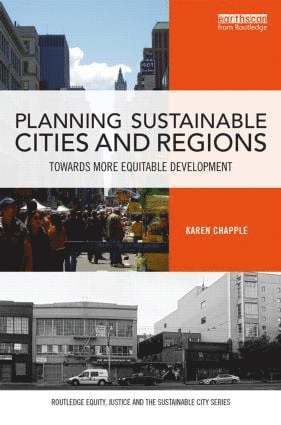
Du kanske också är intresserad av
Transit-Oriented Displacement or Community Dividends?
Karen Chapple, Anastasia Loukaitou-Sideris
Häftad, 2019
479 kr
Transit-Oriented Displacement or Community Dividends?
Karen Chapple, Anastasia Loukaitou-Sideris
Inbunden, 2019
1 219 kr
Fragile Governance and Local Economic Development
Sergio Montero, Karen Chapple
Inbunden, 2018
3 309 kr