
Del 45 i serien Mittellateinische Studien und Texte
Physica Sacra: Wunder, Naturwissenschaft und historischer Schriftsinn zwischen Mittelalter und Früher Neuzeit
Inbunden, Tyska, 2013
4 629 kr
Beställningsvara. Skickas inom 5-8 vardagar. Fri frakt för medlemmar vid köp för minst 249 kr.
Was it a whale or a shark that devoured Jonah? And how were the walls of Jericho brought down? In his wide-ranging study, Physica Sacra, Bernd Roling shows that the natural sciences and biblical exegesis have not always stood in stark opposition to one another. From the high Middle Ages, Bible commentators such as Albertus Magnus and Alonso Tostado made extensive use of the knowledge available in their times about zoology, medicine and astronomy to explain the wonders of revelation and to defend their historical basis. Even with the advent of modern Biblical criticism and in the age of Enlightenment, as is shown here in detail, their arguments were valid enough to refute critics like Spinoza, Isaac de la Peyrère and Voltaire.
Produktinformation
- Utgivningsdatum2013-09-13
- Mått155 x 235 x 33 mm
- Vikt874 g
- FormatInbunden
- SpråkTyska
- SerieMittellateinische Studien und Texte
- Antal sidor486
- FörlagBrill
- ISBN9789004258044
Tillhör följande kategorier
Hoppa över listan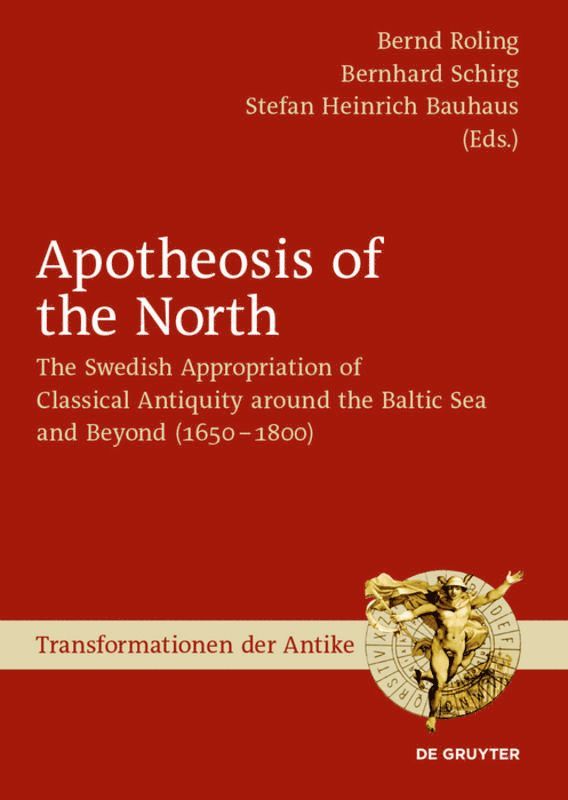
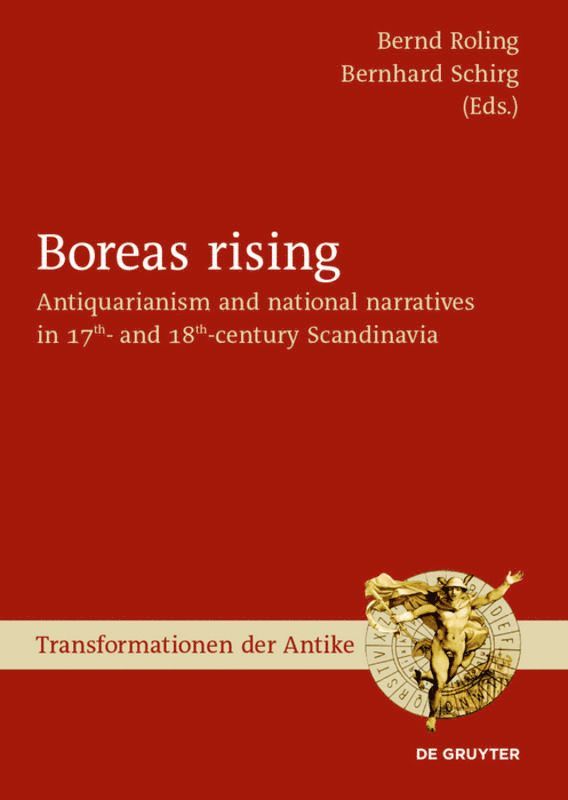



Mer från samma författare
Del 260
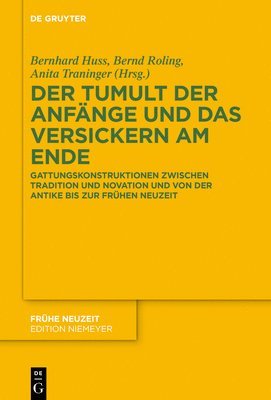
Der Tumult Der Anfänge Und Das Versickern Am Ende
Bernhard Huss, Bernd Roling, Anita Traninger
Inbunden, 2024
2 309 kr
Wie man ein Einhorn fängt. Eine fantastische Kulturgeschichte | MIT ZAHLREICHEN FARBABBILDUNGEN
Bernd Roling, Julia Weitbrecht
Häftad, 2024
239 kr
Del 121
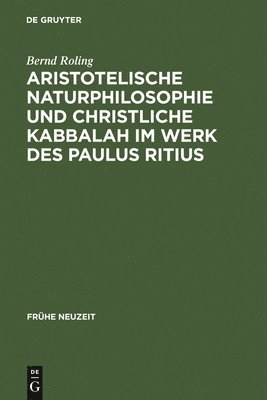
Aristotelische Naturphilosophie und christliche Kabbalah im Werk des Paulus Ritius
Bernd Roling
Inbunden, 2007
4 739 kr
Del 97
Del 42
Hoppa över listan
Mer från samma serie
Del 38
Del 39
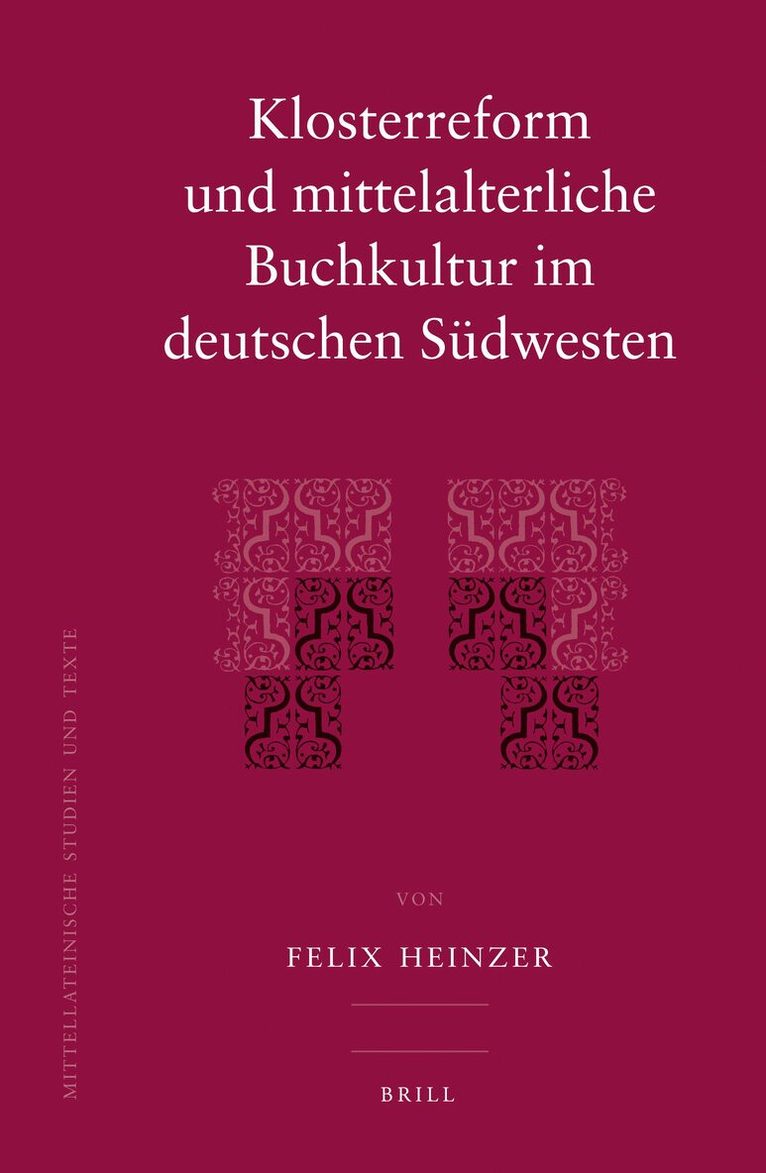
Klosterreform und mittelalterliche Buchkultur im deutschen Südwesten
Felix Heinzer
Inbunden, 2008
4 259 kr
Del 40
Del 42
Del 43
Odyssea Homeri a Francisco Griffolino Aretino in Latinum translata
Bernd Schneider, Christina Meckelnborg
Inbunden, 2011
4 229 kr
Del 44
Hofkritik im Licht humanistischer Lebens- und Bildungsideale
Klaus Schreiner, Ernst Wenzel
Inbunden, 2011
3 159 kr
Del 47
Del 48
Die Stiftung von Autorschaft in der neulateinischen Literatur (ca. 1350-ca. 1650)
Karl A. E. Enenkel
Inbunden, 2014
5 669 kr
Del 52
Die Polygraphia des Johannes Trithemius nach der handschriftlichen Fassung (Band 1)
Maximilian Gamer
Inbunden, 2022
2 759 kr
Hoppa över listan

Du kanske också är intresserad av
Del 82
Del 3
Time, Astronomy, and Calendars in the Jewish Tradition
Sacha Stern, Charles Burnett
Inbunden, 2013
4 629 kr
Del 43
Australian Year Book of International Law
Jolyon Ford, Esmé Shirlow, Wanshu Cong, Donald R. Rothwell
Inbunden, 2026
4 629 kr
Del 45
Del 49
Del 27
Del 89
Lubricants and Lubrication, Second Edition
Editor:Theo Mang, Editor:Wilfried Dresel
Inbunden, 2007
4 629 kr
Del 35