
Del i serien Politics, Literature, & Film
Philip Roth and the American Liberal Tradition
Häftad, Engelska, 2019
729 kr
Beställningsvara. Skickas inom 10-15 vardagar. Fri frakt för medlemmar vid köp för minst 249 kr.
Philip Roth and the American Liberal Tradition offers a fresh reading of the later career development of one of America’s most celebrated authors. Through a contextual analysis of a select number of texts, this innovative study discusses how famed novels such as American Pastoral and The Plot against America demonstrate Philip Roth’s considerable interest in mapping, by means of his unique literary talent, the changing shape and fortunes of American liberalism since the 1930s. By viewing these novels and other seminal works of his later period through a wider historical lens, this book informs readers of the myriad ways in which Roth’s major phase of writing since the mid-1990s has shown considerableconcern with questions of class, ethnicity, race, gender, and literary culture, all of which have been key components in the shifting intellectual and political makeup of American liberal ideology from the New Deal to our present time. This bookgoes beyond a mere historical analysis by taking a new look at how Roth’s experimentations in narrative style and his appeal to ahistorical notions of literary tradition rest in complex alignment with his fictional treatment of aspects of American history. This novel work of criticism demonstrates a heightened awareness of Roth’s career-length fascination with the formal characteristics of fiction, making clear to its audience that any reductively linear reading of Roth as a political novelist should be avoided at all costs. Ultimately, Philip Roth and the American Liberal Tradition offers a stimulatingly intelligent approach to the art of one of America’s true literary titans, providing the focused reader with a nuanced understanding of how Roth’s fiction has been shaped by the various competing strains in his dual roles as a disinterested formalist aesthete, on the one hand, and as a politically engaged author on the other.
Produktinformation
- Utgivningsdatum2019-06-20
- Mått152 x 218 x 21 mm
- Vikt440 g
- FormatHäftad
- SpråkEngelska
- SeriePolitics, Literature, & Film
- Antal sidor292
- FörlagBloomsbury Publishing Plc
- ISBN9781498511827
Tillhör följande kategorier
Hoppa över listan

Mer från samma serie
Liberty, Individuality, and Democracy in Jorge Luis Borges
Alejandra M. Salinas, Lee Trepanier
Inbunden, 2016
1 549 kr
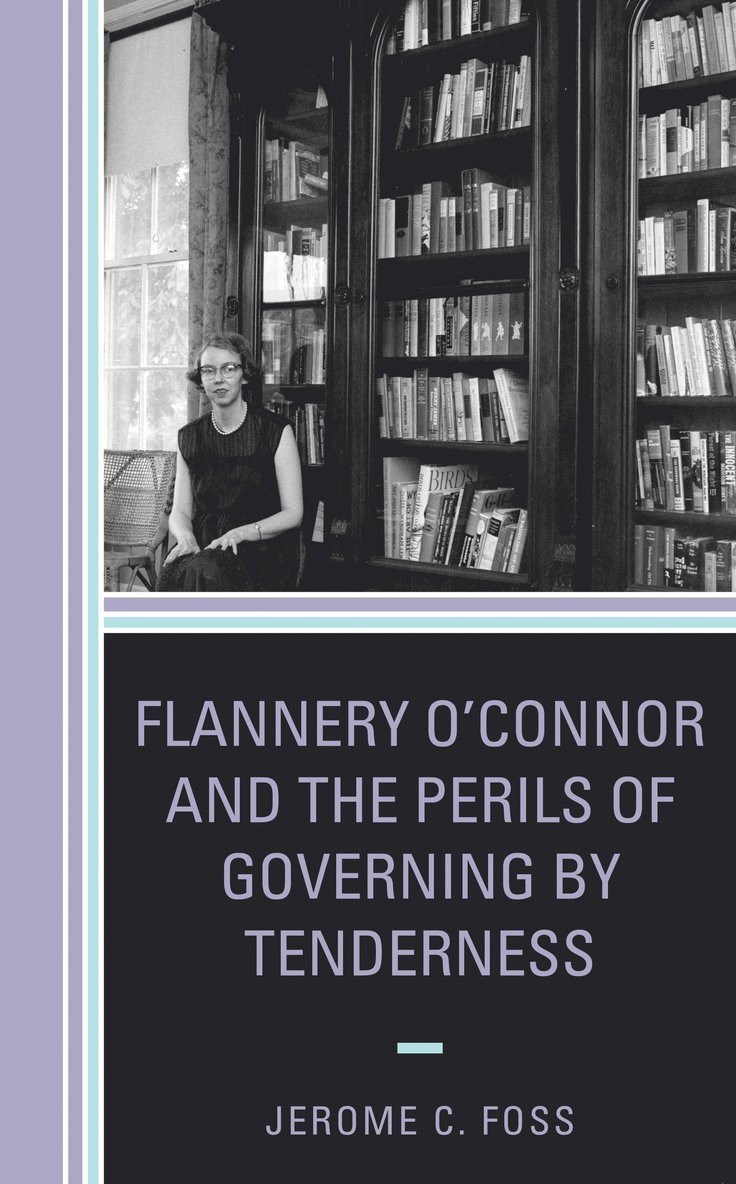
Flannery O’Connor and the Perils of Governing by Tenderness
Jerome C. Foss, Lee Trepanier
Inbunden, 2019
1 549 kr
Hoppa över listan





Du kanske också är intresserad av
- Nyhet
Del 3
- Nyhet
Del 11
Del 1
- Nyhet
Del 4
Del 3
- Nyhet
Del 6
Del 2
- Nyhet