
Del i serien American Philosophy Series
Peirce and Religion
Knowledge, Transformation, and the Reality of God
Inbunden, Engelska, 2018
1 639 kr
Beställningsvara. Skickas inom 10-15 vardagar. Fri frakt för medlemmar vid köp för minst 249 kr.
Finns i fler format (1)
Charles Sanders Peirce is one of the most original voices in American philosophy. His scientific career and his goal of proving scientific logic provide rich material for philosophical development. Peirce was also a life-long Christian and member of the Episcopal Church. Roger Ward traces the impact of Peirce’s religion and Christianity on the development of Peirce’s philosophy. Peirce’s religious framework is a key to his development of pragmatism and normative science in terms of knowledge and moral transformation. Peirce’s argument for the reality of God is a culmination of both his religious devotion and his life-long philosophical development.
Produktinformation
- Utgivningsdatum2018-10-15
- Mått159 x 230 x 20 mm
- Vikt435 g
- FormatInbunden
- SpråkEngelska
- SerieAmerican Philosophy Series
- Antal sidor184
- FörlagBloomsbury Publishing Plc
- ISBN9781498531504
Tillhör följande kategorier
Hoppa över listan
Mer från samma serie
Values, Valuations, and Axiological Norms in Richard Rorty's Neopragmatism
Krzysztof Piotr Skowronski
Inbunden, 2015
1 549 kr
Aesthetic Transcendentalism in Emerson, Peirce, and Nineteenth-Century American Landscape Painting
Nicholas Guardiano
Häftad, 2018
679 kr
Richard J. Bernstein and the Expansion of American Philosophy
Marcia Morgan, Megan Craig
Inbunden, 2016
1 729 kr
Hoppa över listan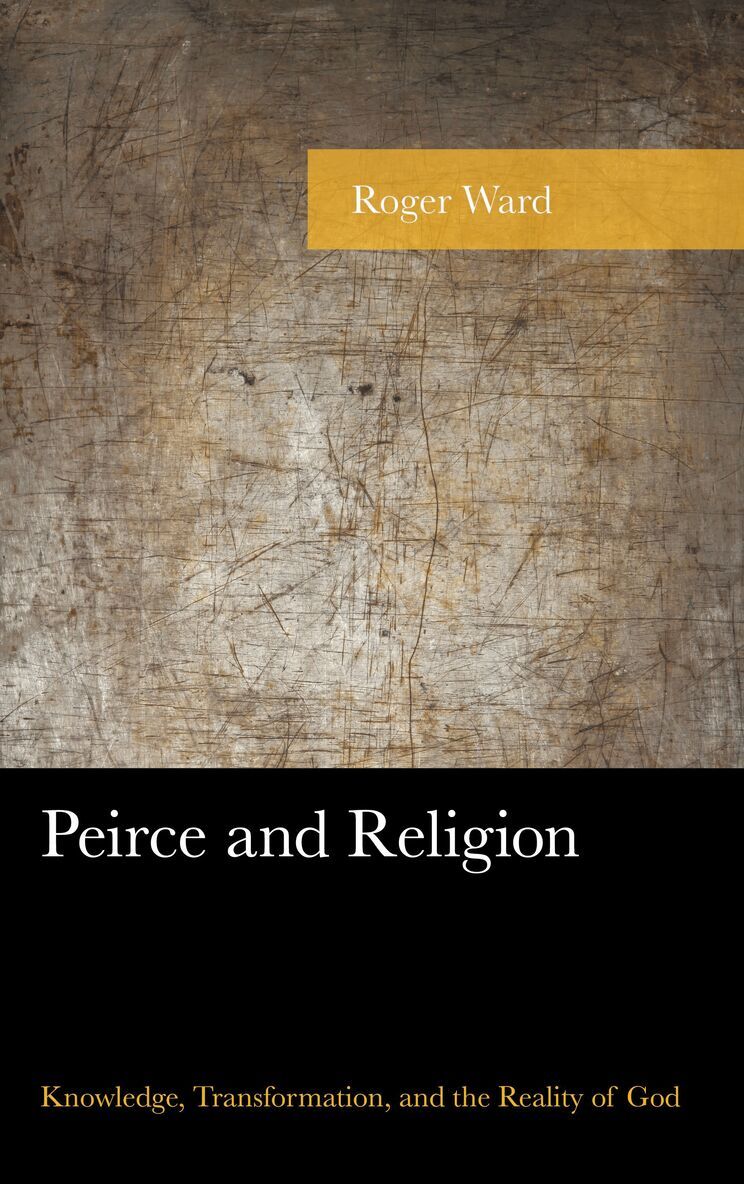

Du kanske också är intresserad av
Pragmatist and American Philosophical Perspectives on Resilience
Kelly A. Parker, Heather E. Keith
Inbunden, 2019
1 639 kr
- Nyhet
Del 3
Richard J. Bernstein and the Expansion of American Philosophy
Marcia Morgan, Megan Craig
Inbunden, 2016
1 729 kr