
Negotiating Respect
Pentecostalism, Masculinity, and the Politics of Spiritual Authority in the Dominican Republic
Häftad, Engelska, 2020
349 kr
Beställningsvara. Skickas inom 10-15 vardagar. Fri frakt för medlemmar vid köp för minst 249 kr.
Finns i fler format (1)
Caribbean Studies Association Barbara T. Christian Literary Award.Negotiating Respect is an ethnographically rich investigation of Pentecostal Christianity-the Caribbean's fastest growing religious movement-in the Dominican Republic. Based on fieldwork in a barrio of Villa Altagracia, Brendan Jamal Thornton examines the everyday practices of Pentecostal community members and the complex ways in which they negotiate legitimacy, recognition, and spiritual authority within the context of religious pluralism and Catholic cultural supremacy. Probing gender, faith, and identity from an anthropological perspective, he considers in detail the lives of young male churchgoers and their struggles with conversion and life in the streets. Thornton shows that conversion offers both spiritual and practical social value because it provides a strategic avenue for prestige and an acceptable way to transcend personal history. Through an exploration of the church and its relationship to barrio institutions like youth gangs and Dominican vodú, he further draws out the meaningful nuances of lived religion providing new insights into the social organization of belief and the significance of Pentecostal growth and popularity globally. The result is a fresh perspective on religious pluralism and contemporary religious and cultural change.
Produktinformation
- Utgivningsdatum2020-02-04
- Mått152 x 228 x 16 mm
- Vikt408 g
- FormatHäftad
- SpråkEngelska
- Antal sidor288
- FörlagUniversity Press of Florida
- ISBN9780813064499
Tillhör följande kategorier
Hoppa över listan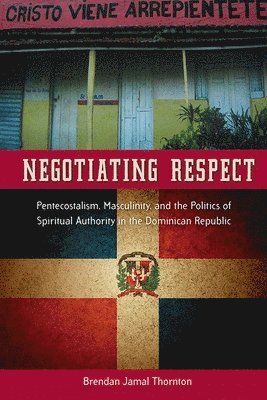






Du kanske också är intresserad av
- Nyhet
Del 3
- Nyhet
Del 11
- Nyhet
Del 6
- Nyhet
Del 4
Del 3
Del 1
Del 2
Del 7
- Nyhet