
Nazi Perpetrator
Postwar German Art and the Politics of the Right
Häftad, Engelska, 2012
439 kr
Beställningsvara. Skickas inom 5-8 vardagar. Fri frakt för medlemmar vid köp för minst 249 kr.
Who was responsible for the crimes of the Nazis? Party leaders and members? Rank-and-file soldiers and bureaucrats? Ordinary Germans? This question looms over German disputes about the past like few others. It also looms over the art and architecture of postwar Germany in ways that have been surprisingly neglected. In The Nazi Perpetrator, Paul B. Jaskot fundamentally reevaluates pivotal developments in postwar German art and architecture against the backdrop of contentious contemporary debates over the Nazi past and the difficulty of determining who was or was not a Nazi perpetrator.Like their fellow Germans, postwar artists and architects grappled with the Nazi past and the problem of defining the Nazi perpetrator-a problem that was thoroughly entangled with contemporary conservative politics and the explosive issue of former Nazis living in postwar Germany. Beginning with the formative connection between Nazi politics and art during the 1930s, The Nazi Perpetrator traces the dilemma of identifying the perpetrator across the entire postwar period. Jaskot examines key works and episodes from West Germany and, after 1989, reunified Germany, showing how the changing perception of the perpetrator deeply impacted art and architecture, even in cases where artworks and buildings seem to have no obvious relation to the Nazi past. The book also reinterprets important periods in the careers of such major figures as Gerhard Richter, Anselm Kiefer, and Daniel Libeskind.Combining political history with a close analysis of specific works, The Nazi Perpetrator powerfully demonstrates that the ongoing influence of Nazi Germany after 1945 is much more central to understanding a wide range of modern German art and architecture than cultural historians have previously recognized.
Produktinformation
- Utgivningsdatum2012-12-10
- Mått178 x 254 x 38 mm
- Vikt618 g
- FormatHäftad
- SpråkEngelska
- Antal sidor288
- FörlagUniversity of Minnesota Press
- ISBN9780816678259
Tillhör följande kategorier
Hoppa över listan


Mer från samma författare
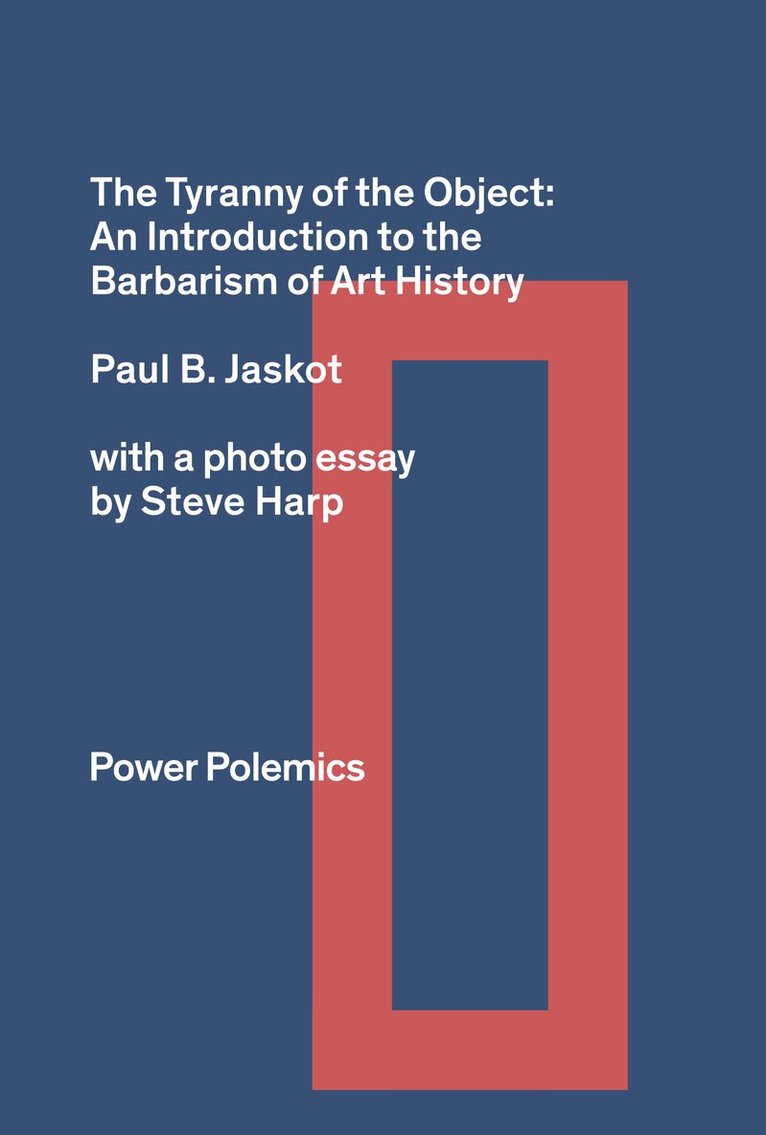
Tyranny of the Object: An Introduction to the Barbarism of Art History
Paul B. Jaskot
Häftad, 2026
759 kr
Hoppa över listan





Du kanske också är intresserad av
Tyranny of the Object: An Introduction to the Barbarism of Art History
Paul B. Jaskot
Häftad, 2026
759 kr
- Nyhet
Del 11
- Nyhet
Del 3
- Nyhet
Del 3
- Nyhet
Del 4
Del 1
Del 3