
Del i serien Moral Psychology of the Emotions
Moral Psychology of Amusement
Häftad, Engelska, 2023
589 kr
Beställningsvara. Skickas inom 10-15 vardagar. Fri frakt för medlemmar vid köp för minst 249 kr.
Finns i fler format (1)
Amusement is an emotion with power. It has the power to make us laugh, but it can also have a power over us (for good or for ill) to control our attention or memory. Amusement can empower our resistance to oppression, or it can itself become an oppressive force. Our amusement can make others feel shame. Amusement even has the power to affect (and be affected by) out moral assessment of others.This volume offers twelve essays from leading and emerging scholars that explore the moral quagmire that is the emotion of amusement. It is a collection that considers the moral psychology of amusement from a range of perspectives, going as far back as ancient Chinese and Greek philosophy up to the most current psychological and sociological findings.
Produktinformation
- Utgivningsdatum2023-09-12
- Mått153 x 231 x 19 mm
- Vikt386 g
- FormatHäftad
- SpråkEngelska
- SerieMoral Psychology of the Emotions
- Antal sidor160
- FörlagBloomsbury Publishing Plc
- ISBN9781538161647
Tillhör följande kategorier
Hoppa över listan



Mer från samma författare
The Mi Own Collection: Volume I: Therapeutically Traveling Through Time, for Him
Brian Robinson, Anthony Kadarrell Thigpen
Häftad
339 kr
Hoppa över listan
Mer från samma serie
Del 17
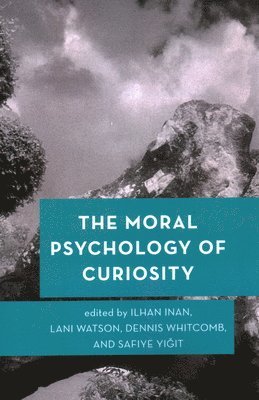
Moral Psychology of Curiosity
Ilhan Inan, Lani Watson, Dennis Whitcomb, Safiye Yigit
Häftad, 2021
709 kr
Del 9
Del 10
Del 16
Del 11
Hoppa över listan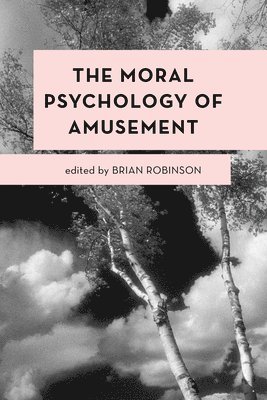
Du kanske också är intresserad av
The Mi Own Collection: Volume I: Therapeutically Traveling Through Time, for Him
Brian Robinson, Anthony Kadarrell Thigpen
Häftad
339 kr
Moral Psychology of Curiosity
Ilhan Inan, Lani Watson, Dennis Whitcomb, Safiye Yigit
Häftad, 2021
709 kr