
Del i serien Palgrave Studies in the History of Finance
Money, Trade and Shifting Financial Centres, 1000 – 1800
Collected Essays of Peter Spufford
Inbunden, Engelska, 2027
3 659 kr
Kommande
This book brings together the most significant uncollected writings of the renowned economic historian Peter Spufford (1934–2017). Spanning topics from medieval coinage and monetary policy to international trade and shifting financial centres, this volume showcases Spufford’s unique ability to integrate numismatics, economic history, and archival research across multiple languages and disciplines.The collection includes both previously published and unpublished studies, some of which were originally available only in German, French, or Italian. These papers reflect Spufford’s lifelong commitment to uncovering the complexities of medieval economies through rigorous analysis of primary sources, archaeological evidence, and pictorial materials. The volume makes accessible a wealth of scholarship that had remained scattered or difficult to obtain, offering new insights into the monetary and commercial systems of Europe from the Middle Ages to the early modern period. It will be a fascinating resource for historians of money, trade, and medieval Europe.
Produktinformation
- Utgivningsdatum2027-02-25
- Mått148 x 210 x undefined mm
- FormatInbunden
- SpråkEngelska
- SeriePalgrave Studies in the History of Finance
- FörlagSpringer Nature Switzerland AG
- ISBN9783032279019
Tillhör följande kategorier
Hoppa över listan

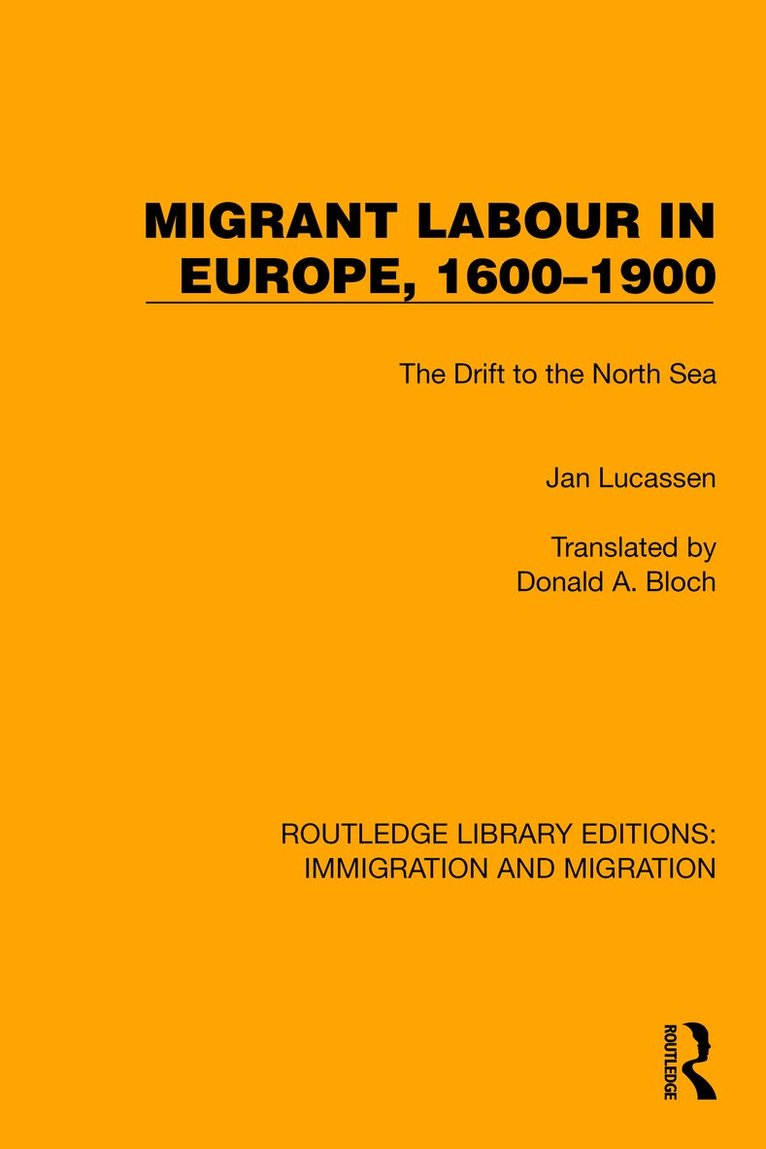
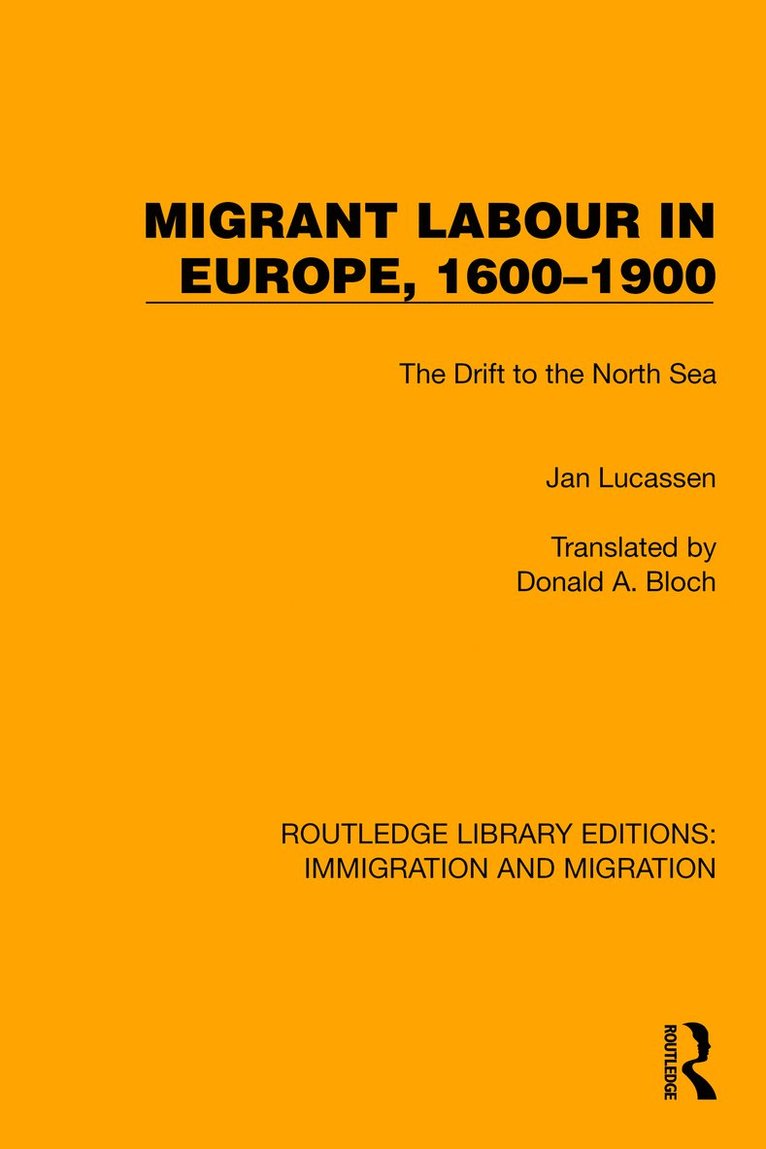
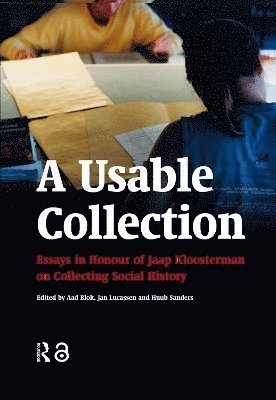


Mer från samma författare
Del 16
The Return of the Guilds: Volume 16
Jan Lucassen, Tine De Moor, Jan Luiten van Zanden
Häftad, 2009
769 kr
Postcolonial Migrants and Identity Politics
Ulbe Bosma, Jan Lucassen, Gert Oostindie
Inbunden, 2012
2 519 kr
Del 4
Hoppa över listan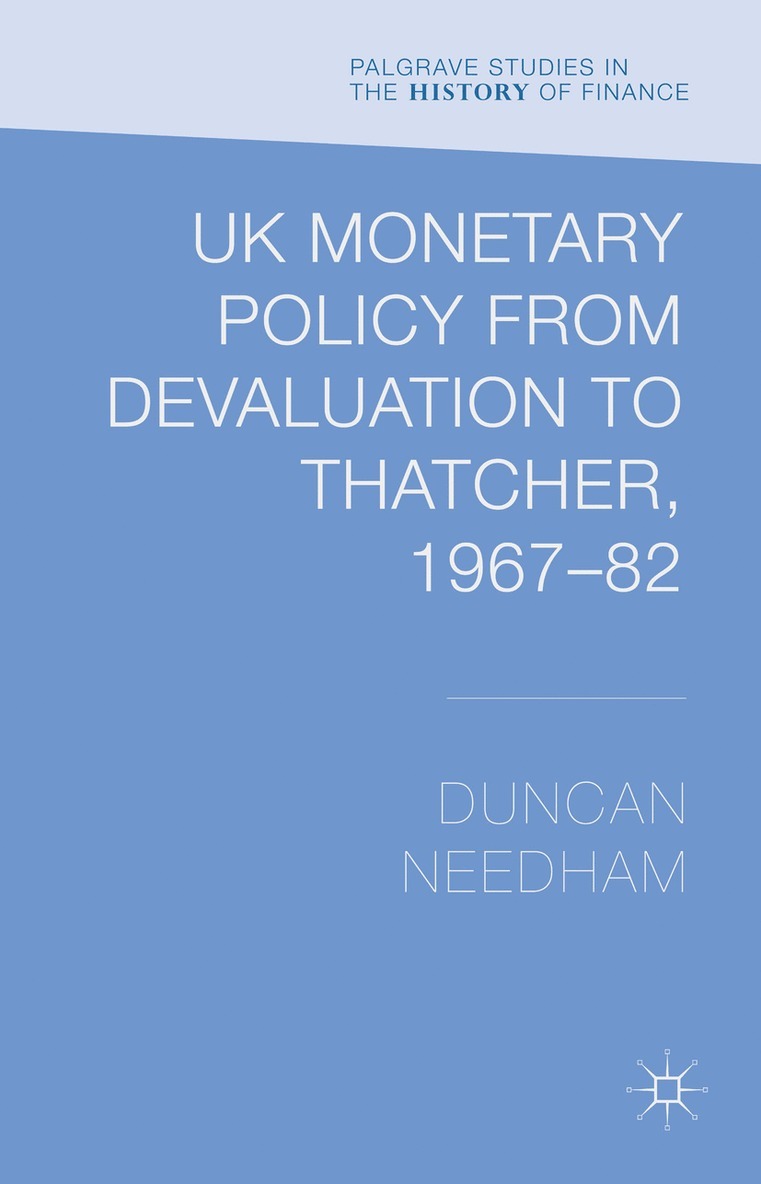

Mer från samma serie
Dangerous and Dishonest Men: The International Bankers of Louis XIV's France
G. Rowlands
Inbunden, 2014
1 779 kr
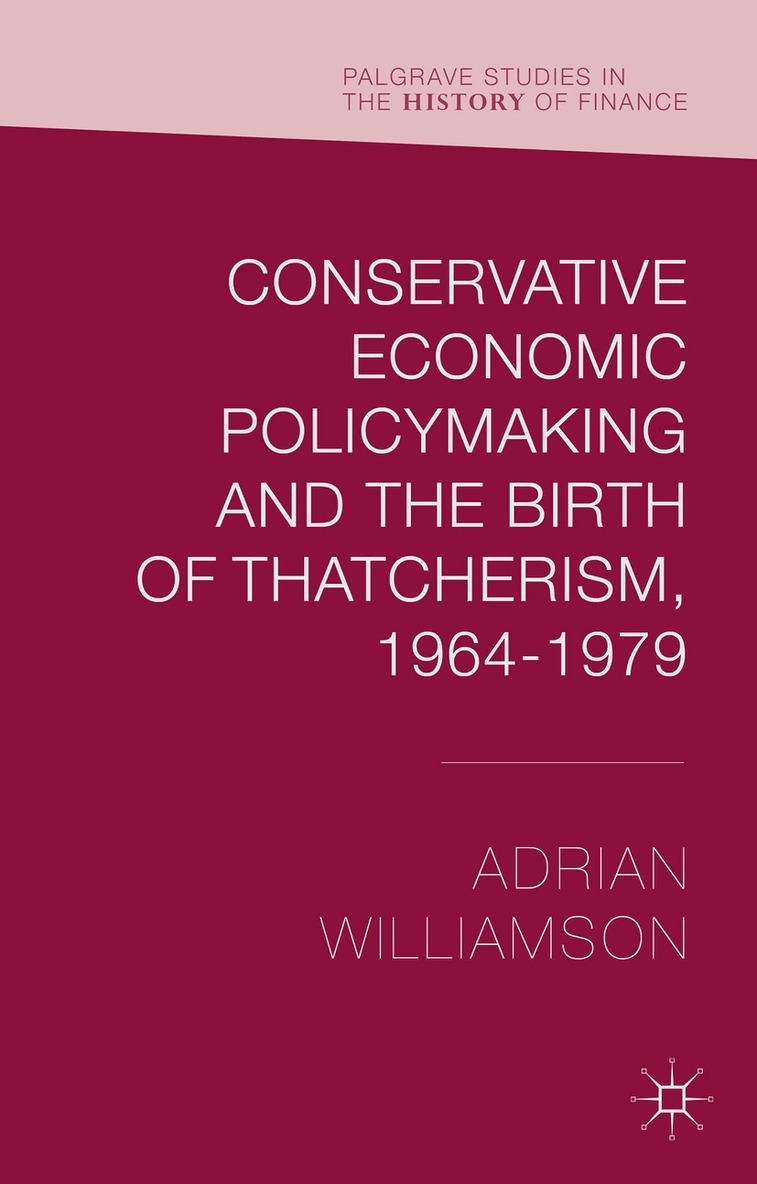
Conservative Economic Policymaking and the Birth of Thatcherism, 1964-1979
Adrian Williamson
Inbunden, 2015
2 009 kr
Hoppa över listan

Du kanske också är intresserad av
Del 3
Del 16
The Return of the Guilds: Volume 16
Jan Lucassen, Tine De Moor, Jan Luiten van Zanden
Häftad, 2009
769 kr
Postcolonial Migrants and Identity Politics
Ulbe Bosma, Jan Lucassen, Gert Oostindie
Inbunden, 2012
2 519 kr