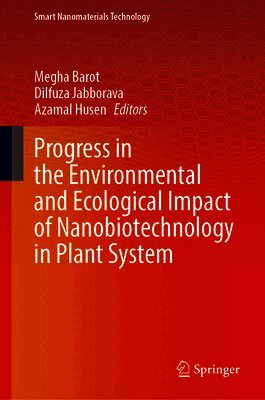
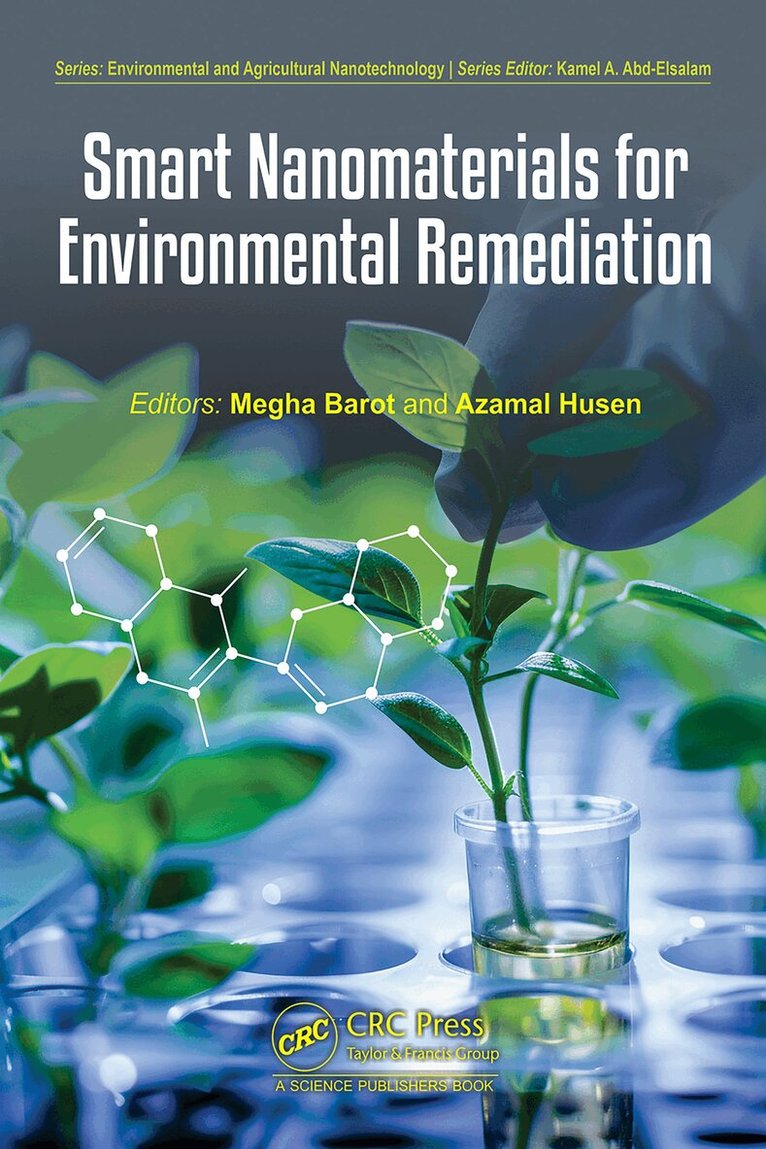
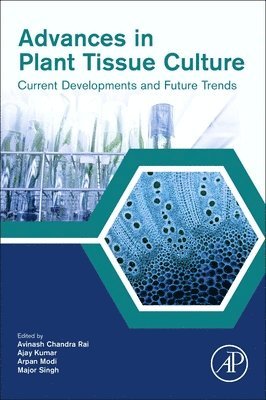
Dr. Arpan Modi is a director of Axenic Agritech Private Limited, Ahmedabad, India since July, 2023 and heading a molecular diagnostic unit at Paws Universe Superspeciality Veterinary Hospital, Ahmedabad, India since March, 2025. As a director in Plant Tissue Culture Unit, he is leading the production of 250,000 tissue culture-raised Banana plants every year. He has five years of experience as a post-doctoral fellow from Agricultural Research Organization, Volcani Center, Israel and 7 years of experience as a researcher in the area of Plant Biotechnology and Biochemistry. In his research tenure, he had worked on diversified plant species like Stevia, Date palm, Papaya, Sandalwood, Ficus microcarpa, Fig, and Apple. He has edited a book on Plant Tissue Culture and got acceptance of 3 books, two of which with CRC Press and one with CABI publisher. He has 16 research papers, 5 review papers and more than 30 book chapters in his publication list with the cumulative impact factor of 30.55. He has delivered online and offline lectures in various workshops, webinars and conferences.Dr. Megha Barot is an Assistant Professor (Research Cadre) in the Department of Environmental Science, Parul Institute of Applied Sciences, Parul University, India. She has over a decade of experience in environmental science, life science research, and clinical diagnostics. She has served as the National Coordinator of the Biotech Innovation Ignition School (BIIS) at SRISTI, in collaboration with DBT–BIRAC, Government of India, and as a Junior Scientist and NABL Internal Auditor at the Neuberg Centre for Genomic Medicine, Ahmedabad. A recipient of the Research Contribution Award from GCPC, she also attended a fully funded training program on Marine Environmental Health and Safety at Xiamen University, China. Dr. Barot has finalized seven academic books with CRC Press, Springer, and CABI, and has numerous research publications to her credit.Dr. Sachidanand Singh, presently working as an Associate Professor and Head Biotechnology, School of Energy and Technology, Pandit Deendayal Energy University, Gujarat, India with academic and administrative responsibilities. His education belongs from an engineering background i.e., B.Tech Biotechnology, M.Tech. Bioinformatics, PhD Bioinformatics and postdoctoral experience comes from Ohio State University, College of Pharmacy, USA. He has more than 16 years of experience in teaching, administration and research. Work experience includes Karunya University, Shri Ramswaroop Memorial University, Vignan University. His research area includes Plant Biotechnology, metagenomics, Systems Biology, Network Biology, Micro RNA-based studies, Expression Data Analytics, Next-generation Sequencing and Statistical Genetics. His present focus also includes understanding the Canonical and non-canonical pathways of miRNA Biogenesis, Dynamics and mechanisms of miRNA- mediated Gene Regulation. He teaches different subjects, especially Genomics and Proteomics, Microarray and Image Analysis, Drug Design and Molecular Modelling for graduate and postgraduate students. He has published more than 75 research and review articles in peer reviewed journals, 12 Patents published among which 9 are granted. Out of the research and review publications 40 percent of publications (Book Chapters, Edited Books, Review article and research articles) are on plant-based studies in association to Soil microbiome, herbal drug formulation, drug design and microbe-microbe interactions and their expression-based studies. He has completed one SERB, Govt. of India funded project, two University research grant projects. He has received several awards in his area of research and for his teaching strategies. He has organized different conferences and workshops and received Govt. funds for the same. He has shared his area of expertise with different colleges and universities as invited speakers in different conferences and workshops. He has guided 36 B. Tech. and 10 M. Tech. projects. He has awarded 5 PhD students and presently 6 PhD students are working under him in the field of Herbal products, drug Design and integrating with network biology. He has already edited three Books under Springer and Taylor and Francis publishing group. He has a collaboration with Mendel University Czech Republic, Europe, Lund University, Sweden and Monash University Australia.Prof. (Dr.) Azamal Husen has served as Full Professor and Head of the Department of Biology at the University of Gondar, Ethiopia. He is currently affiliated as a Foreign Delegate with Wolaita Sodo University, Ethiopia, and holds an Adjunct Professorship at Department of Biotechnology, Graphic Era (Deemed to be University) in Dehradun, Uttarakhand, India. His earlier academic roles include Full Professor at Sankalchand Patel University in Visnagar, India, and Visiting Faculty at the Forest Research Institute and Doon College of Agriculture and Forest in Dehradun, India. With more than 25 years of experience in academia and research, he is highly regarded for his expertise in nanobiotechnology, plant physiology, environmental botany, medicinal plants, and plant propagation. His research has been supported by prominent national and international organizations, including the World Bank, the National Agricultural Technology Project, the Indian Council of Agricultural Research, the Indian Council of Forestry Research and Education, and the Japan Bank for International Cooperation. He is a prolific scholar, having published more than 350 academic works, including research articles, books, and book chapters. His editorial contributions are equally noteworthy; he serves on the editorial boards and peer review panels of numerous prestigious journals published by Elsevier, Frontiers Media, Springer Nature, Taylor & Francis, RSC, Oxford University Press, the Royal Society, CSIRO, MDPI, PLOS, Sciendo, John Wiley & Sons, and UPM Journals. He is also a member of the advisory board of Cambridge Scholars Publishing, United Kingdom. He is a fellow of the Plantae group under the American Society of Plant Biologists and holds membership in several scientific organizations, including the International Society of Root Research, the Asian Council of Science Editors, and the International Natural Product Sciences Taskforce. Throughout his career, he has delivered invited lectures, keynote addresses, and technical presentations at numerous international conferences, symposia, and workshops. In the field of academic development, he has made significant contributions through the design and delivery of orientation programs for university faculty, the development of educational modules, and the formulation of curricula at the undergraduate, postgraduate, and doctoral levels. In recognition of his contributions to teaching, research, and community service, he was honored with a special award from the University of Gondar. He is currently serves as Editor-in-Chief of the American Journal of Plant Physiology and is Series Editor for several major academic collections, including Exploring Medicinal Plants (Taylor & Francis, USA), Plant Biology, Sustainability, and Climate Change (Elsevier, USA), and Smart Nanomaterials Technology (Springer Nature, Singapore). He also leads the Handbook Series on Nanotechnology and Its Applications (Springer Nature, Singapore). His outstanding contributions to science have earned him international acclaim, including the prestigious distinction of being named among the "World’s Top 2% Scientists" for three consecutive years (2021 onwards) by Stanford University, a recognition published in the Elsevier Data Repository. In addition to his regular academic responsibilities, he has served as Guest Editor for several high-impact special issues, including Advances in Plant Metabolomics: Insights, Applications, and Integration (Plant Physiology and Biochemistry), Exploring Nanotechnology in Medicinal Plants (Journal of Herbal Medicine), and Integrating Nanotechnology with Plant Compounds: Enhancing Abiotic Stress Resilience and Crop Improvement via Signaling Molecules (Frontiers in Plant Science), among others. His work continues to shape contemporary research at the intersection of plant science, biotechnology, and sustainable development. His academic leadership, research excellence, and international collaborations have positioned him as a prominent figure in global scientific circles.