
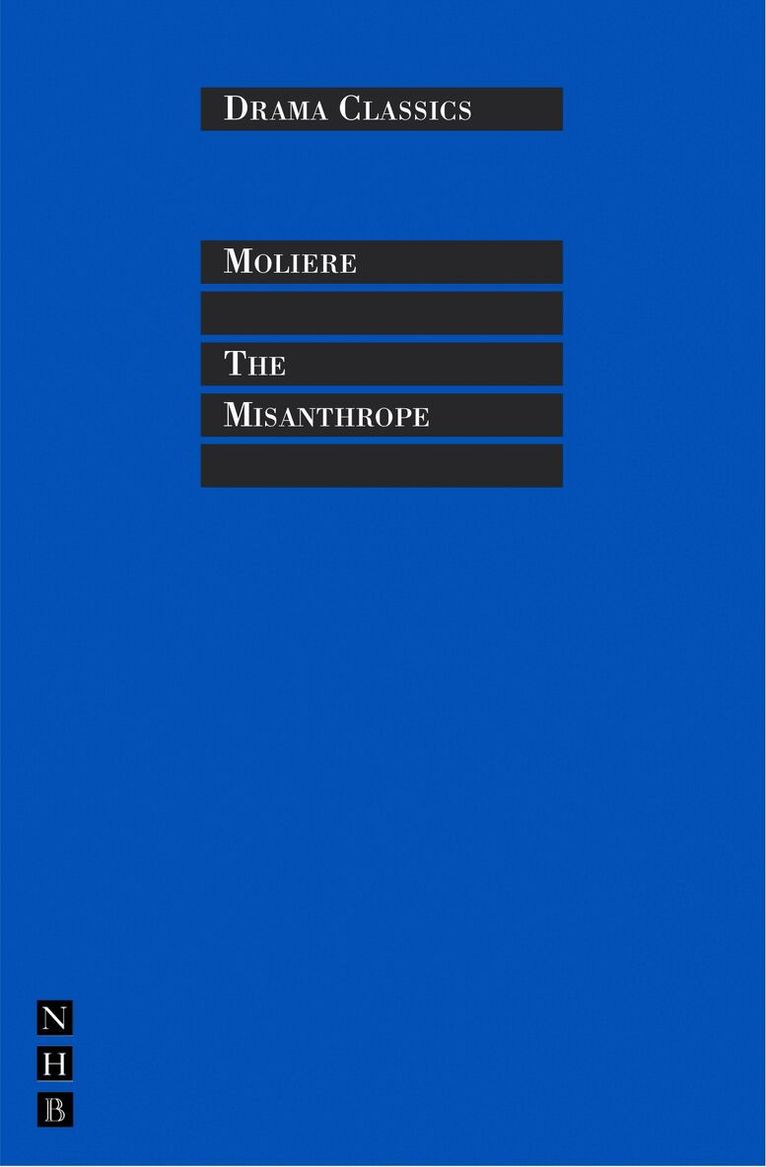
Misanthrope
in a version by Martin Crimp
Häftad, Engelska, 1996
159 kr
Tillfälligt slut
Finns i fler format (5)
A reworking of Moliere's comic play. Alceste abhors hypocrisy and the well-rehearsed, sycophantic pleasantries of the chattering classes. He tells the truth, even it hurts. Alceste is in love with Jennifer (Celimene), but thinks she's in love with a theatre critic who thinks he can write plays.
Produktinformation
- Utgivningsdatum1996-02-19
- Mått127 x 203 x 8 mm
- Vikt138 g
- FormatHäftad
- SpråkEngelska
- Antal sidor103
- FörlagFaber & Faber
- ISBN9780571179091
Tillhör följande kategorier
Hoppa över listan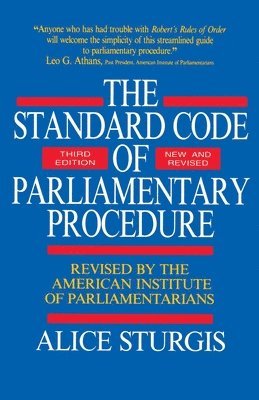

Du kanske också är intresserad av
Standard Code of Parliamentary Procedure
Alice F. Sturgis, American Institute of Parliamentarians
Häftad, 1996
269 kr
Microwave Dielectric Spectroscopy of Ferroelectrics and Related Materials
Grigas
Inbunden, 1996
4 779 kr