
Del 9
Mindfulness for Psychosis
A Group Therapy Approach
Häftad, Engelska, 2026
689 kr
Kommande
From leading treatment developers, this book presents an empirically supported 8-week mindfulness program specifically designed for people with psychosis. The authors explain how mindfulness for psychosis groups can safely and effectively help participants transform their relationship to distressing voices, images, thoughts, and beliefs; cultivate self-acceptance; and take meaningful steps toward recovery in daily life. Every session combines formal mindfulness practices with reflective group discussions. Clear instructions for implementation are illustrated with vivid case vignettes and sample scripts. Reproducible client handouts can be copied from the book or downloaded from the companion website, which also features audio recordings of the guided practices.
Produktinformation
- Utgivningsdatum2026-11-30
- Mått152 x 229 x undefined mm
- FormatHäftad
- SpråkEngelska
- Antal sidor247
- FörlagGuilford Publications
- ISBN9781462564507
Tillhör följande kategorier
Hoppa över listan








Mer från samma författare
Del 81
Del 93
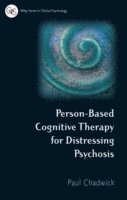
Cognitive Therapy for Delusions, Voices and Paranoia
Paul Chadwick, Max J. Birchwood, Peter Trower
Häftad, 1996
879 kr
Y: The Last Man (Deluxe Edition)
Brian K. Vaughan, José Marzán Junior, Pia Guerra, Goran Parlov, Paul Chadwick
Inbunden, 2022
629 kr
Hoppa över listan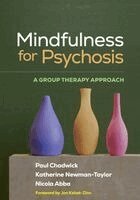



Du kanske också är intresserad av
Del 1
Y: The Last Man (Deluxe Edition)
Brian K. Vaughan, José Marzán Junior, Pia Guerra, Goran Parlov, Paul Chadwick
Inbunden, 2022
629 kr