
Del 44
Del i serien Routledge Studies in Linguistics
Metonymies and Metaphors for Death Around the World
Inbunden, Engelska, 2021
3 209 kr
Beställningsvara. Skickas inom 10-15 vardagar. Fri frakt för medlemmar vid köp för minst 249 kr.
Finns i fler format (1)
This book reflects on the ways in which metonymy and metaphor are used conceptually and linguistically to mitigate the more difficult dimensions of death and dying, setting out a unique line of research within Conceptual Metaphor Theory. The volume argues that metonymic and metaphoric descriptions of death and dying reflect taboos, concealment, and other considerations not found in figurative descriptions of life, producing distinct forms of euphemism, frames, and mental spaces particular to conceptualizations of death.The first part takes a closer look at metonymy to illuminate the ways in which it allows a person to zoom in on death’s more inoffensive dimensions or zoom out from its more troubling aspects. The second part focuses on the more palatable concepts which metaphorically structure and help to better understand death.A wide range of classical and modern examples from European, Asian, Australian, and African languages and cultures showcase points of overlap and divergence. Opening up new lines of inquiry into research on death and dying and offering a linguistically focused complement to anthropological and religious studies on the topic, this book will be of interest to scholars in cognitive linguistics, sociolinguistics, cross-cultural communication, and cultural studies.
Produktinformation
- Utgivningsdatum2021-11-30
- Mått152 x 229 x 17 mm
- Vikt371 g
- FormatInbunden
- SpråkEngelska
- SerieRoutledge Studies in Linguistics
- Antal sidor171
- FörlagTaylor & Francis Ltd
- ISBN9781032025285
Tillhör följande kategorier
Hoppa över listan
Mer från samma författare
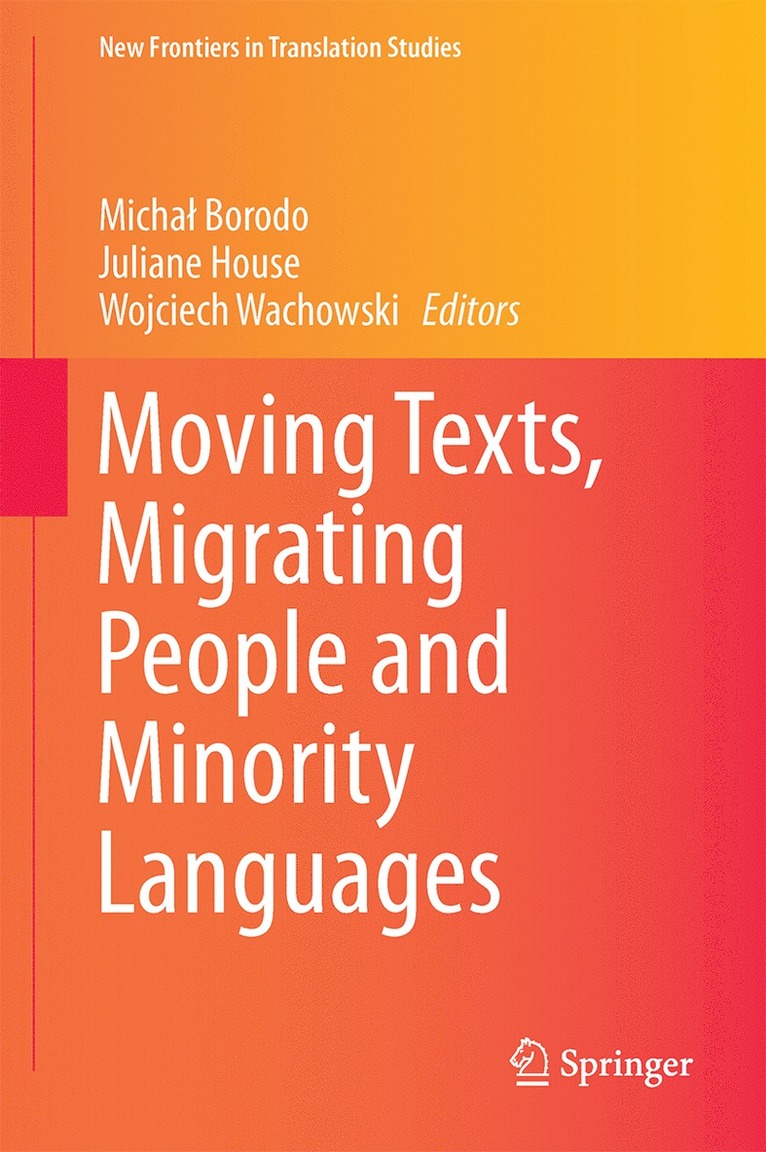
Moving Texts, Migrating People and Minority Languages
Michał Borodo, Juliane House, Wojciech Wachowski
Inbunden, 2017
1 339 kr
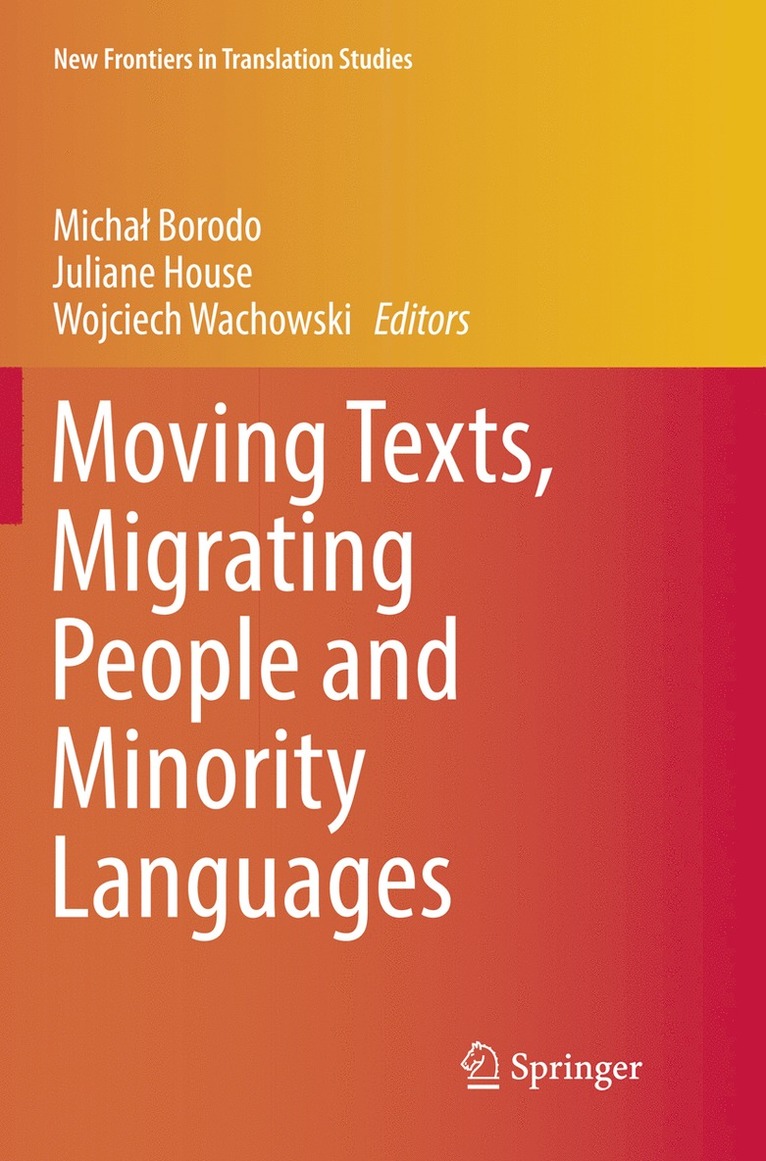
Moving Texts, Migrating People and Minority Languages
Michał Borodo, Juliane House, Wojciech Wachowski
Häftad, 2018
1 339 kr
Hoppa över listan





Mer från samma serie
Approaches to the Study of Sound Structure and Speech
Magdalena Wrembel, Agnieszka Kiełkiewicz-Janowiak, Piotr Gąsiorowski
Inbunden, 2019
3 119 kr
Women in Social Semiotics and SFL
Eva Maagerø, Ruth Mulvad, Elise Seip Tønnessen
Inbunden, 2021
3 309 kr
Diversity and the Unity of Linguistics
Aleksi Mäkilähde, Tommi Alho, Anneli Pajunen
Inbunden, 2026
3 209 kr
Hoppa över listan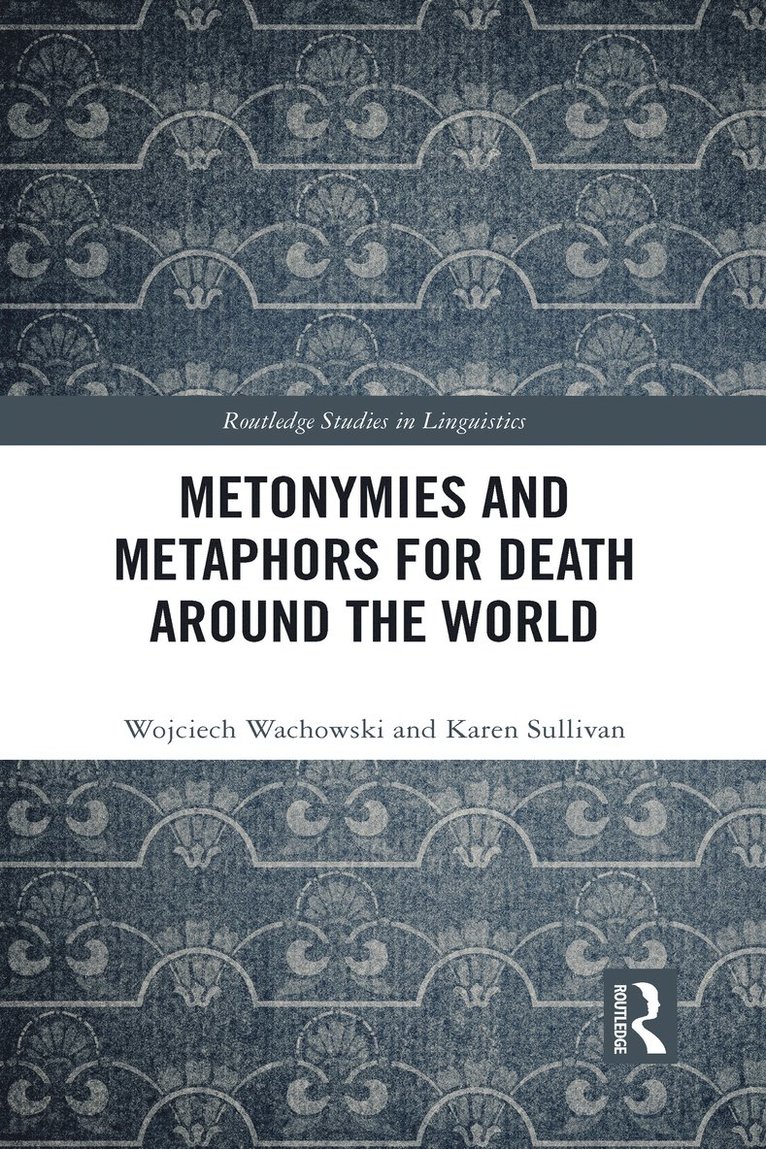



Du kanske också är intresserad av
Metonymies and Metaphors for Death Around the World
Wojciech Wachowski, Karen Sullivan
Häftad, 2023
829 kr
Moving Texts, Migrating People and Minority Languages
Michał Borodo, Juliane House, Wojciech Wachowski
Inbunden, 2017
1 339 kr
Moving Texts, Migrating People and Minority Languages
Michał Borodo, Juliane House, Wojciech Wachowski
Häftad, 2018
1 339 kr
Del 44