
Mea Culpa
Lessons on Law and Regret from U.S. History
Inbunden, Engelska, 2015
639 kr
Beställningsvara. Skickas inom 10-15 vardagar. Fri frakt för medlemmar vid köp för minst 249 kr.
In Mea Culpa, Steven W. Bender examines how the United States' collective shame about its past has shaped the evolution of law and behavior. We regret slavery and segregationist Jim Crow laws. We eventually apologize, while ignoring other oppressions, and our legal response to regret often fails to be transformative for the affected groups. By examining policies and practices that have affected the lives ofgroups that have been historically marginalized and oppressed, Bender is able to draw persuasive connections between shame and its eventual legalmanifestations. Analyzing the United States' historical response to its own atrocities, Bender identifies and develops a definitive moral compass thatguides us away from the policies and practices that lead to societal regret.Mea Culpa challenges its readers. In a different era, might we have been slave owners or proprietors of a racially segregated establishment? It's easy to judge immorality in the hindsight of history, but what current practices and policies will later generations regret?More than a historical survey, this volume offers a framework for resolving some of the most contentious socialproblems of our time. Drawing on his background as a legal scholar, Bender tackles immigration, the death penalty, the war on terror, reproductive rights,welfare, wage inequity, homelessness, mass incarceration, and same-sex marriage. Ultimately, he argues, it is the dehumanization of human beings thatallows for practices to occur that will later be marked as regrettable. And all of us have a stake in standing on the side of history that resists dehumanization.
Produktinformation
- Utgivningsdatum2015-01-09
- Mått152 x 229 x 25 mm
- Vikt476 g
- FormatInbunden
- SpråkEngelska
- Antal sidor256
- FörlagNew York University Press
- ISBN9781479899623
Tillhör följande kategorier
Hoppa över listan





Mer från samma författare
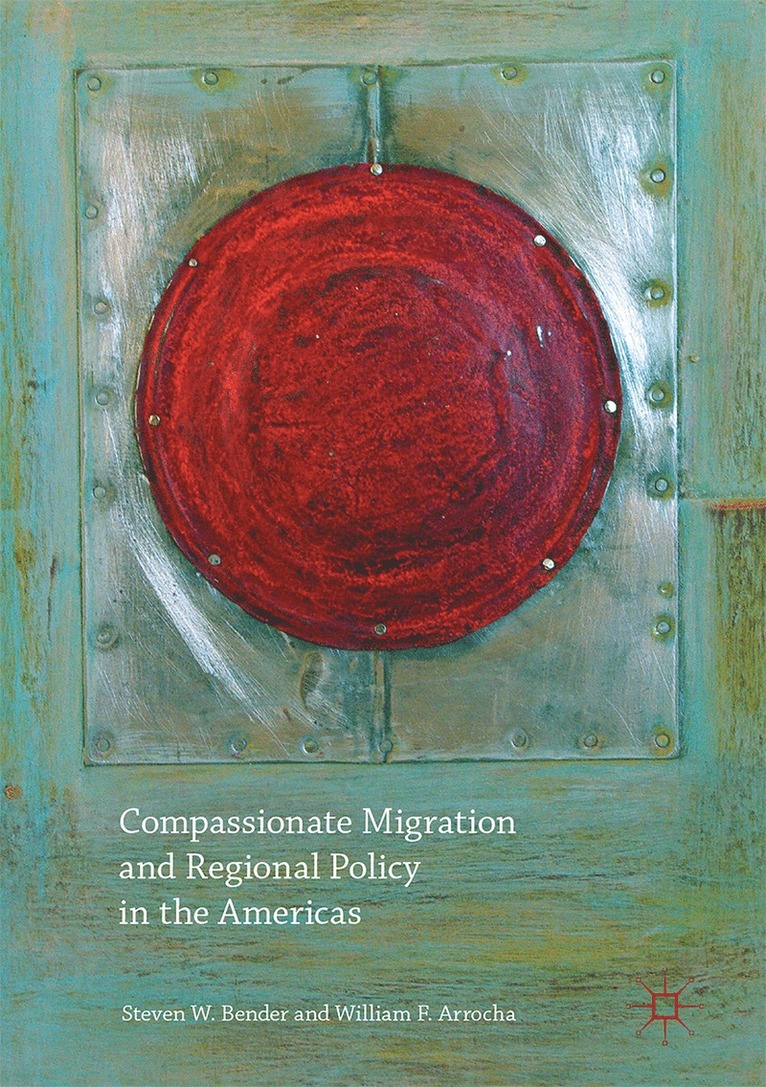
Compassionate Migration and Regional Policy in the Americas
Steven W. Bender, William F. Arrocha
Inbunden, 2017
1 719 kr
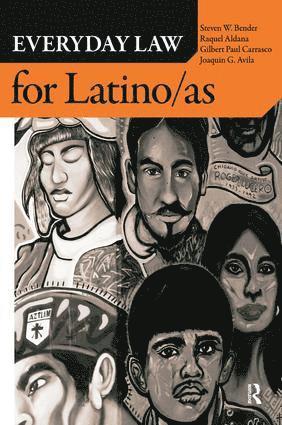
Everyday Law for Latino/as
Steven W. Bender, Raquel Aldana, Gilbert Paul Carrasco, Joaquin G. Avila
Inbunden, 2008
3 219 kr
Everyday Law for Latino/as
Steven W. Bender, Raquel Aldana, Gilbert Paul Carrasco, Joaquin G. Avila
Häftad, 2009
879 kr
Hoppa över listan

Du kanske också är intresserad av
Everyday Law for Latino/as
Steven W. Bender, Raquel Aldana, Gilbert Paul Carrasco, Joaquin G. Avila
Inbunden, 2008
3 219 kr
Compassionate Migration and Regional Policy in the Americas
Steven W. Bender, William F. Arrocha
Inbunden, 2017
1 719 kr