
Del i serien Finance, Governance and Sustainability
Management Scholarship and Organisational Change
Representing Burns and Stalker
Häftad, Engelska, 2020
949 kr
Beställningsvara. Skickas inom 10-15 vardagar. Fri frakt för medlemmar vid köp för minst 249 kr.
Finns i fler format (1)
Change is a crucial and inescapable process for many organisations. It remains a constant challenge for managers and many change management initiatives fail. Burns and Stalker’s seminal text on managing change, The Management of Innovation, has often been used as a basis for research in mainstream management journals and has been represented as an important theory in popular and long-established management textbooks. The issues raised in that book are still being grappled with by academics and practitioners today. Miriam Green provides a critical analysis of the mainstream construction of knowledge on change management through an examination of representations of that text. The main thesis of her book is that this literature, though valuable, does not provide a full picture. Its objectivist approach ignores the role of other factors raised in the original study. These factors include the effects of power, politics, resistance and employee influence on the outcomes of managerial change strategies and on other organisational processes, with important consequences for the understanding of change initiatives by both academics and practitioners. This is part of an ongoing debate in management studies and more widely in the social sciences about theoretical approaches and research methods. The originality of this book lies in its in-depth comparison of an entire monograph on organisations facing technological and commercial change, with an equally in-depth analysis of the ways this work has been represented and used as a basis for teaching and research. It highlights the limitations of the exclusive use of one approach to explain the complications arising from organisational change. It challenges the scientific justification offered for that approach and supports arguments for more inclusive and sustainable scholarship, of greater relevance to academics, managers and other organisational stakeholders.
Produktinformation
- Utgivningsdatum2020-09-30
- Mått156 x 234 x 17 mm
- Vikt360 g
- FormatHäftad
- SpråkEngelska
- SerieFinance, Governance and Sustainability
- Antal sidor182
- FörlagTaylor & Francis Ltd
- ISBN9780367662639
Tillhör följande kategorier
Hoppa över listan
Mer från samma författare
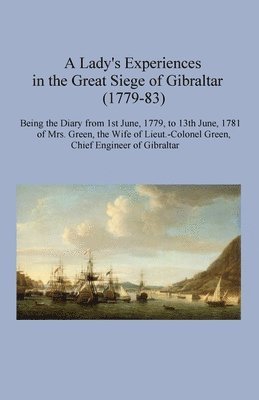
Lady's Experiences in the Great Siege of Gibraltar (1779-83)
Miriam Green, Colonel E R Kenyon
Häftad, 2024
229 kr
Hoppa över listan
Mer från samma serie
Stakeholder Engagement and Sustainability Reporting
Marco Bellucci, Giacomo Manetti
Häftad, 2020
759 kr
Biolaw, Economics and Sustainable Governance
Erick Valdés, Jacob Dahl Rendtorff
Inbunden, 2021
2 949 kr
Foundations of a Sustainable Economy
Umar Burki, Toseef Azid, Robert Francis Dahlstrom
Inbunden, 2021
2 719 kr
Hoppa över listan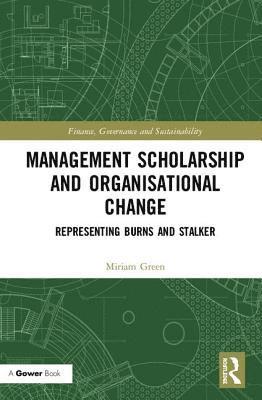

Du kanske också är intresserad av
Lady's Experiences in the Great Siege of Gibraltar (1779-83)
Miriam Green, Colonel E R Kenyon
Häftad, 2024
229 kr
Foundations of a Sustainable Economy
Umar Burki, Toseef Azid, Robert Francis Dahlstrom
Inbunden, 2021
2 719 kr
Del 2